Zeno Raises $25 Million to Expand Electric Motorcycle Production with Battery Swapping
Zeno has raised $25 million to speed up production of electric motorcycles with a battery-swap system, aiming to transform mobility in East Africa.
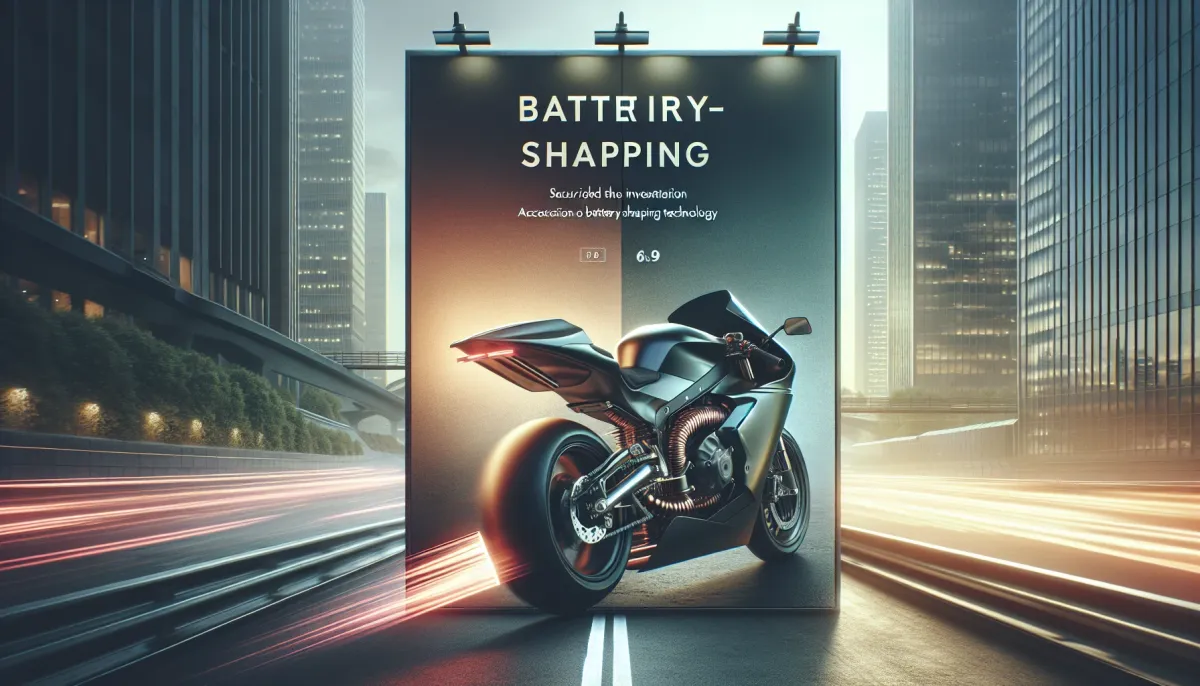
Electric mobility is expanding rapidly in East Africa, and Zeno, a startup founded by former Tesla and Apple engineers, has recently raised $25 million in a Series A funding round. The investment aims to speed up production of its Emara electric motorcycles and to expand its network of battery-swap stations across the region.
A Strategic Investment for Growth
The $25 million funding comprises $20.5 million in equity, led by Congruent Ventures with the participation of Active Impact and Lowercarbon Capital, and $4.5 million in debt financing provided by Camber Road and Trifecta Capital. This capital will allow Zeno to increase production of its Emara motorcycles and expand its battery-swap station network in Kenya and Uganda, where motorcycles are essential for urban transport and delivery services.
The Distinctive Features of the Emara Motorcycles
The Emara motorcycles offer strong performance with a peak power of 8 kW, equivalent to a 150 cc internal combustion engine. Thanks to the immediate availability of all of the motor's torque, they can climb steep gradients even with heavy loads, making them ideal for local transport operators. In addition, the Emara has a range of about 100 km on a single charge and a payload capacity of up to 250 kg, meeting the everyday transport needs of urban and rural settings.
An Innovative Business Model
To make adoption of the Emara motorcycles more accessible, Zeno offers several purchase options. Customers can choose to buy the motorcycle without a battery and subscribe to a monthly or pay-per-use plan for battery access. Batteries can be charged at home or at one of the stations run by Zeno, offering flexibility and convenience for users.
Implications for Sustainable Mobility in East Africa
Zeno's expansion represents a significant step toward promoting sustainable mobility in East Africa. Electric motorcycles with a battery-swap system offer an affordable and eco-friendly alternative to traditional combustion-engine vehicles, helping to reduce carbon emissions and improve air quality in urban areas. Furthermore, Zeno's approach could serve as a model for other developing regions, demonstrating the feasibility and benefits of electric mobility in settings with limited infrastructure.
Conclusion
- Expanded production: The $25 million investment will allow Zeno to significantly increase production of its Emara electric motorcycles, responding to growing demand in East Africa.
- Business model innovation: Subscription plans for batteries and the swap-station network offer an innovative approach to overcoming range and charging challenges for electric vehicles.
- Positive environmental impact: Adopting electric motorcycles will help reduce greenhouse gas emissions and improve air quality in African cities, promoting more sustainable mobility.
- Replicable model: Zeno's success could serve as an example for other startups and governments seeking to promote electric mobility in regions with limited infrastructure, demonstrating the feasibility and benefits of such initiatives.
With rising production and an expanding battery-swap network, Zeno is well placed to become a key player in transforming mobility in East Africa, offering more sustainable and efficient transport solutions for millions of people.