
Why opposition to data centers is growing in local communities
Opposition to data centers grows when energy costs, local impact and hard-to-see economic benefits weigh on local communities.
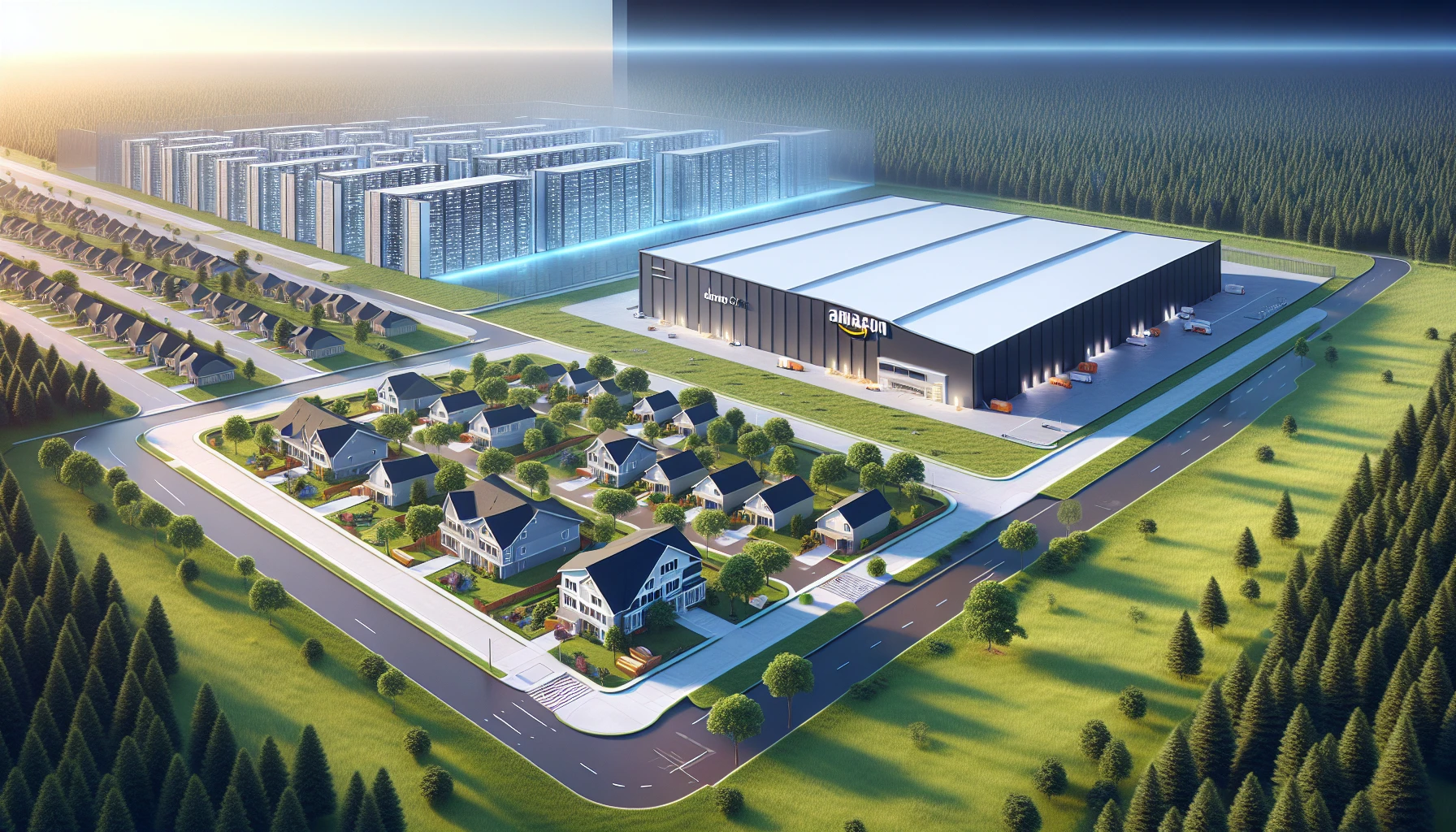
The spread of data centers is changing how local communities, companies and institutions evaluate digital infrastructure. It is no longer just about servers and connectivity: energy consumption, land use, energy costs and social acceptability come into play.
A new public opinion picture shows that support for these facilities is far from solid. For those leading technology investment, industrial planning or expansion strategies, the message is clear: available computing capacity is not enough, a credible social contract with the territory is also needed.
Why local resistance is growing
The objections do not stem from an abstract rejection of technology, but from impacts perceived as concrete and immediate. Among the most common concerns are rising electricity prices, intensive use of resources and the transformation of the neighborhood into an area of high infrastructure density.
When a project appears as a high-energy-consumption hub, with benefits distributed in a barely visible way, opposition becomes more likely. The perception of an unfavorable balance between costs and benefits is often more decisive than the technical complexity of the project itself.
The economic question: energy, jobs and value produced
The promise of local development remains one of the strongest arguments in favor of data centers. However, this narrative weakens when citizens associate the facility with higher tariffs and limited employment benefits during the operating phase.
For business decision makers, this means authorization models cannot rely only on initial investment and tax revenue. Lasting value must be demonstrated: local supply chains, technical skills, measurable impacts on the electricity grid and transparent efficiency plans.
An issue that goes beyond the single project
The debate over data centers is part of a broader scrutiny of digital infrastructure. Public attention is growing on how the adoption of AI is supported and on who bears its environmental and economic costs.
This shift has strategic implications. Companies can no longer treat the location of data centers as a purely technical or real estate decision: every new site is also a political, regulatory and reputational choice.
How priorities change for companies and institutions
To reduce friction and delays, projects must integrate from the outset elements of territorial dialogue, energy management and impact measurement. Communities ask for fewer generic promises and more verifiable guarantees.
In practice, this favors those who know how to design infrastructure with criteria of operational sustainability, efficiency and transparency toward public and private stakeholders.
Operational takeaways
- Local acceptance has become a critical variable in digital expansion plans.
- Perceived energy cost weighs as much as the promised innovation in shaping consent.
- Employment effects must be demonstrated with concrete data, not just rough estimates.
- Every data center is also a policy issue, not only an engineering one.
- Transparency, efficiency and involvement of the territory are now competitive requirements.


