
Whole Foods invests in smart technology to cut food waste from 2027
Innovative smart bin technology to reduce food waste in supermarkets, arriving from 2027, thanks to a strategic investment in the sector.
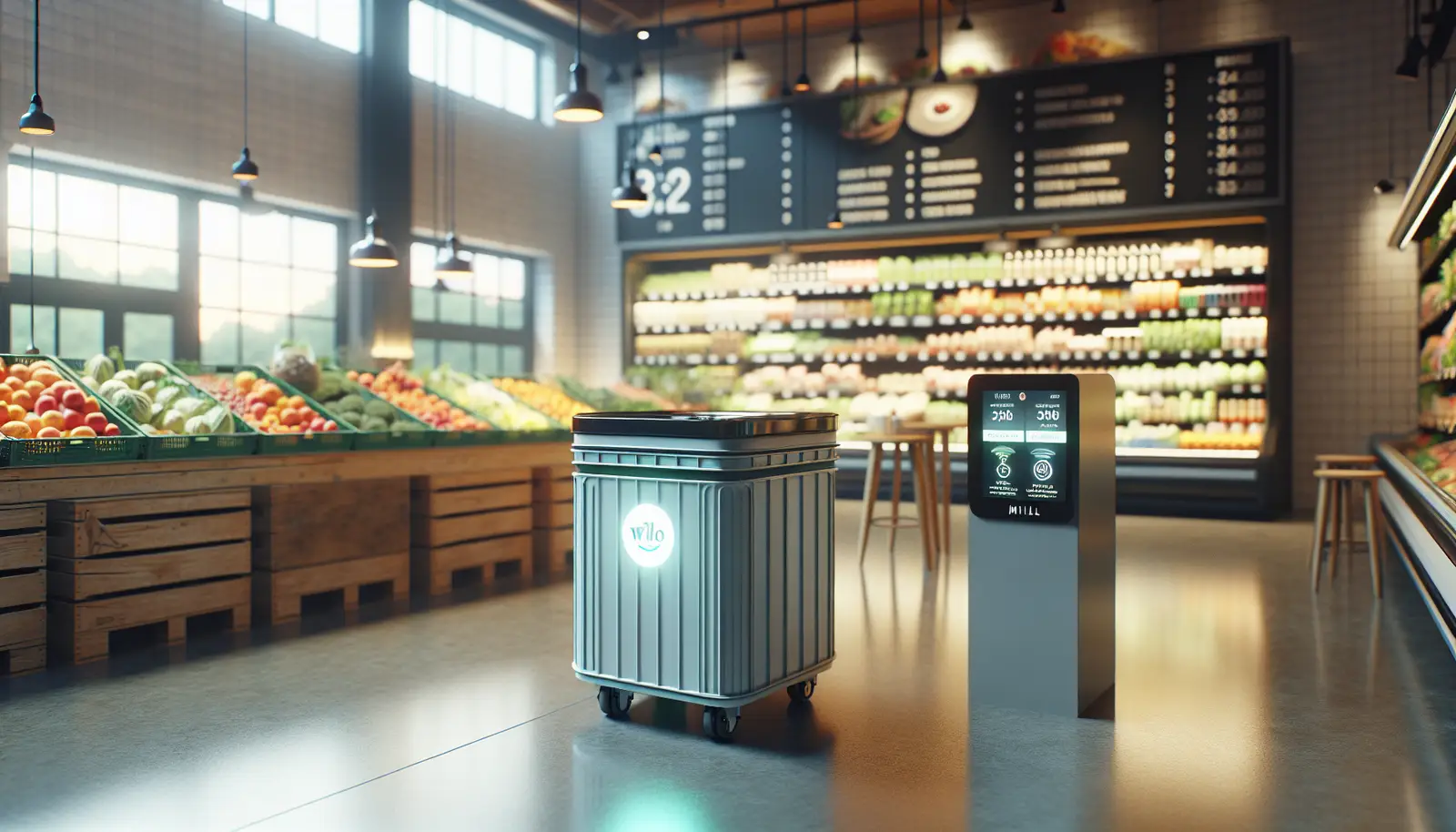
Advanced technology introduced in retail chains
A major supermarket chain has announced plans to install innovative smart bins for food waste disposal in the produce sections of its stores, starting in 2027. The initiative is part of a broader project aimed at improving resource management and reducing environmental impact.
Features of the new smart bins
The bins are equipped with advanced sensors that monitor and record data on the quantity of food scraps. Once dehydrated and ground, the waste is turned into feed for farm animals, such as chicken feed. This process aims to reduce waste and add value to residues, supporting a more sustainable production cycle.
Impact and investment in the sector
This project fits into a context of growing attention to sustainability and carbon emission reduction, given that a significant share of the food produced is thrown away every year. The startup behind this technology has raised more than 250 million dollars, with a significant investment from a fund dedicated to climate initiatives of a major global retailer.
Goals and future prospects
Beyond improving efficiency in managing food waste, this solution also aims to promote more responsible use of natural resources, limiting the ecological footprint of retail sales. The hope is that similar technologies can be adopted on a large scale, contributing to a more sustainable and less polluting circular economy.
Conclusions and key points
- Introduction of smart bins for food waste management in supermarkets by 2027.
- Use of sensors and dehydration and grinding technologies to turn scraps into resources.
- Major investment from climate funds and venture capital in innovative startups.
- Goal of significantly reducing waste and greenhouse gas emissions in the retail food sector.


