
Upside Robotics: Autonomous Robots to Reduce Fertilizer Use in Corn
Find out how Upside Robotics is transforming agriculture with solar-powered autonomous robots that reduce fertilizer use in corn.
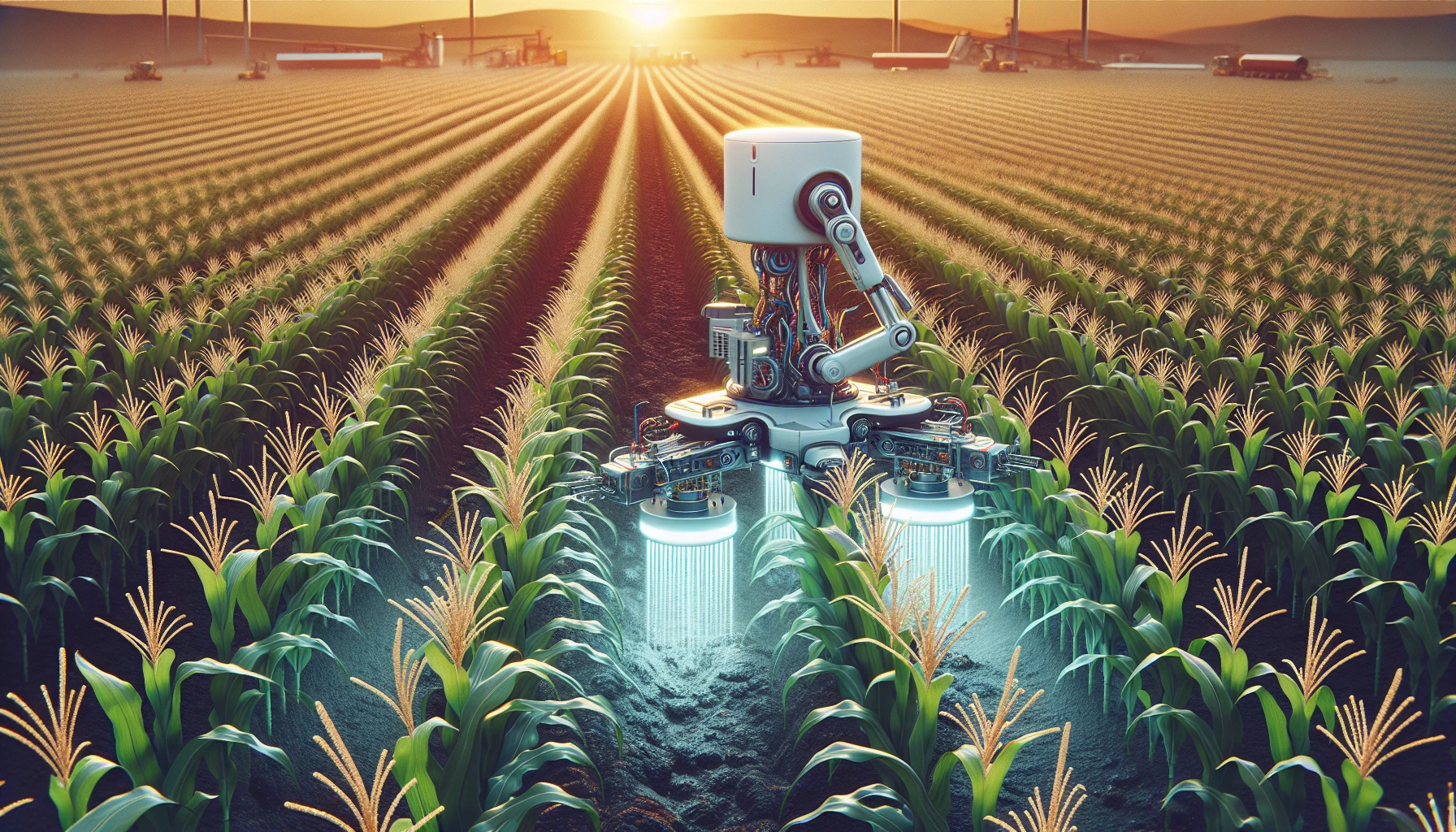
In the heart of Ontario, Canada, a startup is transforming traditional farming. Upside Robotics has developed solar-powered autonomous robots that apply fertilizer with precision, reducing the use and waste of fertilizer in corn fields.
Innovation in agriculture
Founded in 2024 by Jana Tian and Sam Dugan, Upside Robotics tackles a crucial challenge: fertilizer use efficiency. Traditionally, only 30% of the fertilizer applied is absorbed by crops, while the rest can cause environmental pollution. Upside's robots, by contrast, use proprietary algorithms to determine the optimal timing and quantity of fertilizer, based on weather and soil data.
Expansion and concrete results
In 2025, the company expanded its operations from 70 to 1,200 acres, with the goal of exceeding 3,000 acres in 2026. The results are promising: farmers have reported a 70% reduction in fertilizer use, with savings of about $150 per acre per season. This approach not only improves economic efficiency but also contributes to environmental sustainability.
Investment and the future
To support its growth, Upside Robotics has recently completed a $7.5 million seed round led by Plural, with the participation of Garage Capital and the founders of Clearpath Robotics. The funds will be used for research and development, as well as to expand operations in the United States, targeting the Corn Belt.
Implications for the agricultural sector
Upside Robotics' technology represents a significant step toward precision agriculture. With the adoption of autonomous robots, farmers can optimize the use of resources, improve yields and reduce environmental impact. This "Robot-as-a-Service" model offers a scalable and accessible solution for farms of all sizes.
Takeaway
- Improved efficiency: Significant reduction in fertilizer use, with economic savings for farmers.
- Environmental sustainability: Less pollution and conservation of natural resources.
- Technological innovation: Introduction of autonomous robots into traditional farming.
- Strategic expansion: Plans to expand operations in the United States, with a focus on the Corn Belt.
- Scalable business model: Offering accessible robotic services for farms of different sizes.
For more details, see the original article on TechCrunch.


