The Role of Intestinal Transit in Overall Health
A recent study reveals how the duration of intestinal transit can affect overall health, suggesting the importance of regular bowel movements.
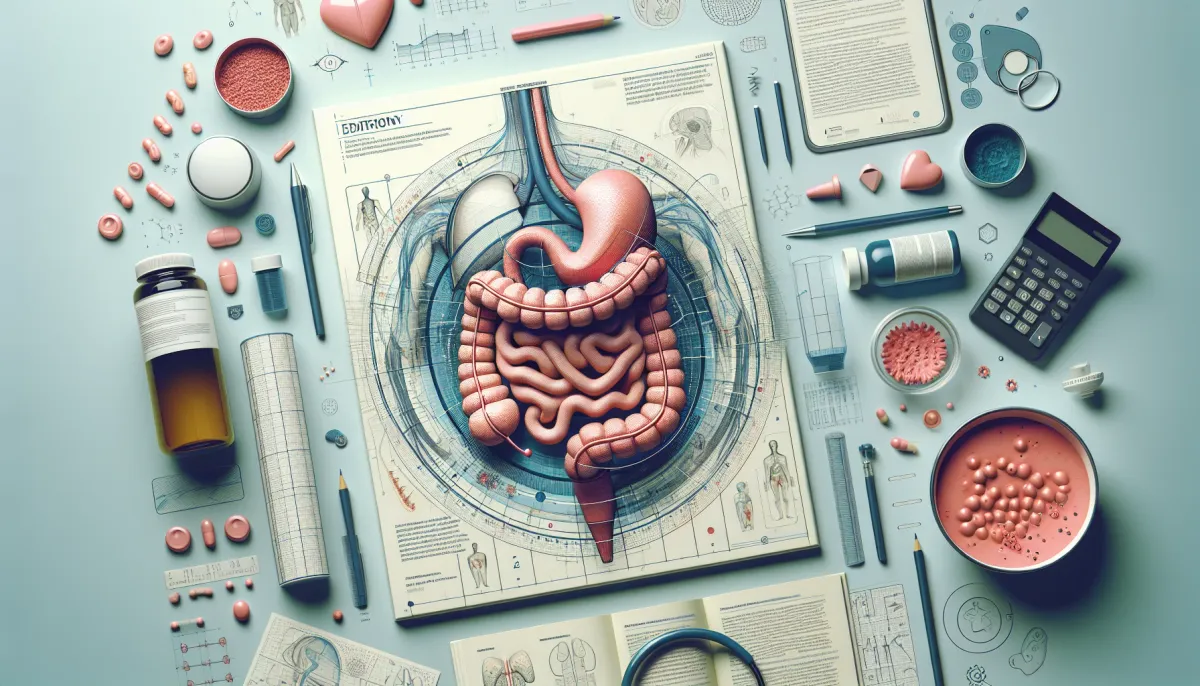
Intestinal transit time, that is, the time food takes to pass through the gastrointestinal tract, emerges as a crucial factor for overall health. A recent study has shown how a transit that is too fast or too slow can negatively affect a person's well-being.
The Link Between Intestinal Transit and the Microbiome
The gut microbiome, made up of trillions of microorganisms, plays a fundamental role in digestion and nutrient absorption. The speed at which food moves through the intestine can alter the composition of this microbiome. Studies have shown that rapid intestinal transit is associated with a predominance of bacterial species that metabolize carbohydrates quickly, while slow transit favors species that digest proteins. These variations can influence the production of metabolites and short-chain fatty acids, which are essential for gut and overall health.
Health Implications
Abnormal intestinal transit has been linked to several pathological conditions. Transit that is too rapid can reduce nutrient absorption, while transit that is too slow can increase the risk of constipation and related disorders. In addition, slow transit has been associated with metabolic and inflammatory disorders, as well as neurological diseases such as Parkinson's. Understanding these dynamics is essential for developing targeted preventive and therapeutic strategies.
Factors Affecting Intestinal Transit
Several factors can influence the speed of intestinal transit, including diet, hydration, physical activity and sleep quality. For example, a diet rich in fiber and regular physical activity can promote healthy transit. In addition, demographic factors such as age, sex and body mass index (BMI) play a significant role in bowel movement frequency and, consequently, in gut health.
Conclusion
Monitoring and maintaining regular bowel movements is fundamental for gut and overall health. Adopting a healthy lifestyle, including a balanced diet, regular exercise and good hydration, can promote optimal intestinal transit and prevent potential related disorders.
- Importance of the gut microbiome: The composition of the microbiome is influenced by the speed of intestinal transit, with implications for metabolic and immune health.
- Risks of abnormal transit: Transit that is too fast or too slow can be associated with digestive, metabolic and neurological disorders.
- Influencing factors: Diet, hydration, physical activity and demographic factors such as age and BMI affect intestinal transit speed.
- Preventive strategies: Adopting a healthy lifestyle can promote regular intestinal transit and prevent related disorders.