
The impact of age verification laws on digital rights
An analysis of the impact of age verification regulations on digital freedoms and the privacy of online users.
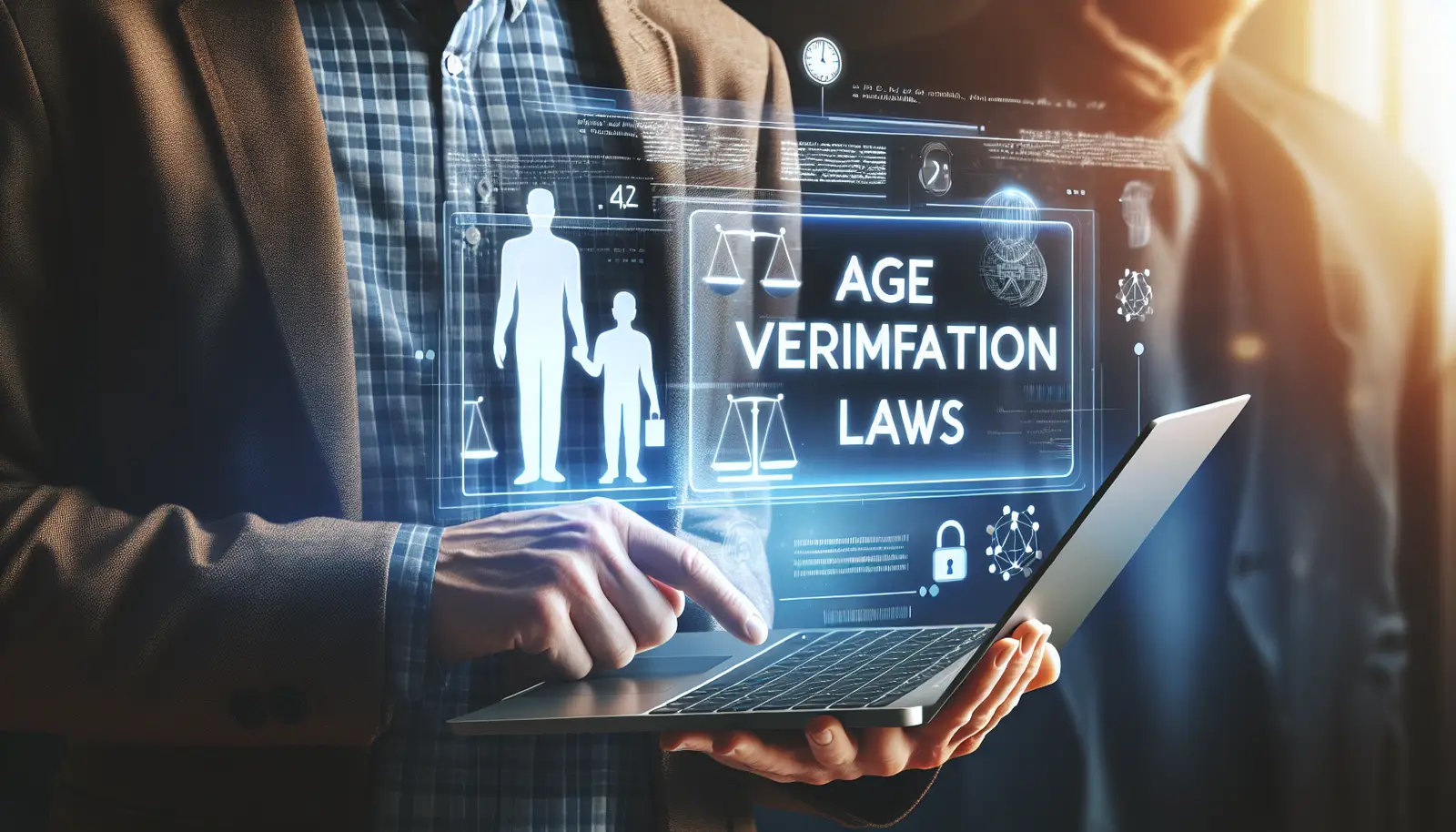
Introduction to the new age verification regulations
In recent years, there has been an increase in laws aimed at verifying the identity and age of users on online platforms, with the goal of protecting minors from accessing inappropriate content. However, these regulations raise significant concerns about the protection of privacy and civil liberties.
The regulations and their effects on privacy
In countries such as the United Kingdom, a regulation has been adopted that requires the submission of identity documents, photos and, in some cases, the use of facial recognition technology to verify users' age. This sequence of checks can involve the collection and storage of sensitive data, with high risks of breaches and misuse of the information.
Reactions and economic impacts
Many sites, especially small and medium-sized ones, are opposing these laws, believing that they can limit freedom of access and increase operating costs. In addition, penalties for non-compliance can reach 10,000 dollars per violation, creating a considerable and potentially crippling burden, especially for independent operators.
Constitutional issues and civil rights
Experts point out that these laws could conflict with the right to privacy guaranteed by the Constitution, as well as risk suppressing legitimate educational or medical content, such as topics on health, civil rights and free information. The lack of clear definitions of what constitutes harmful content further aggravates the problem.
The future of age verification rules in the United States
With a legislative framework evolving at the state and federal level, many legal battles and risks of eroding the principle of online anonymity are on the horizon. The possibility of a centralized database of users with age attestations could set a precedent for the mass use of sensitive data, with far-reaching implications for freedom of browsing and digital security.
Conclusions and considerations
- Age verification laws represent a challenge between protecting minors and safeguarding fundamental rights.
- It is essential to clearly define what constitutes harmful content and to ensure a balance between security and privacy.
- The political and legal debate will have to address issues of constitutionality, civil rights and digital innovation.
To protect the right to privacy while safeguarding the interests of minors, it is necessary to develop technological solutions that comply with regulations and preserve users' anonymity.


