
Tesla Launches Robotaxi Service in Dallas and Houston
Tesla has launched its robotaxi service in Dallas and Houston, a significant step in the adoption of autonomous vehicles.
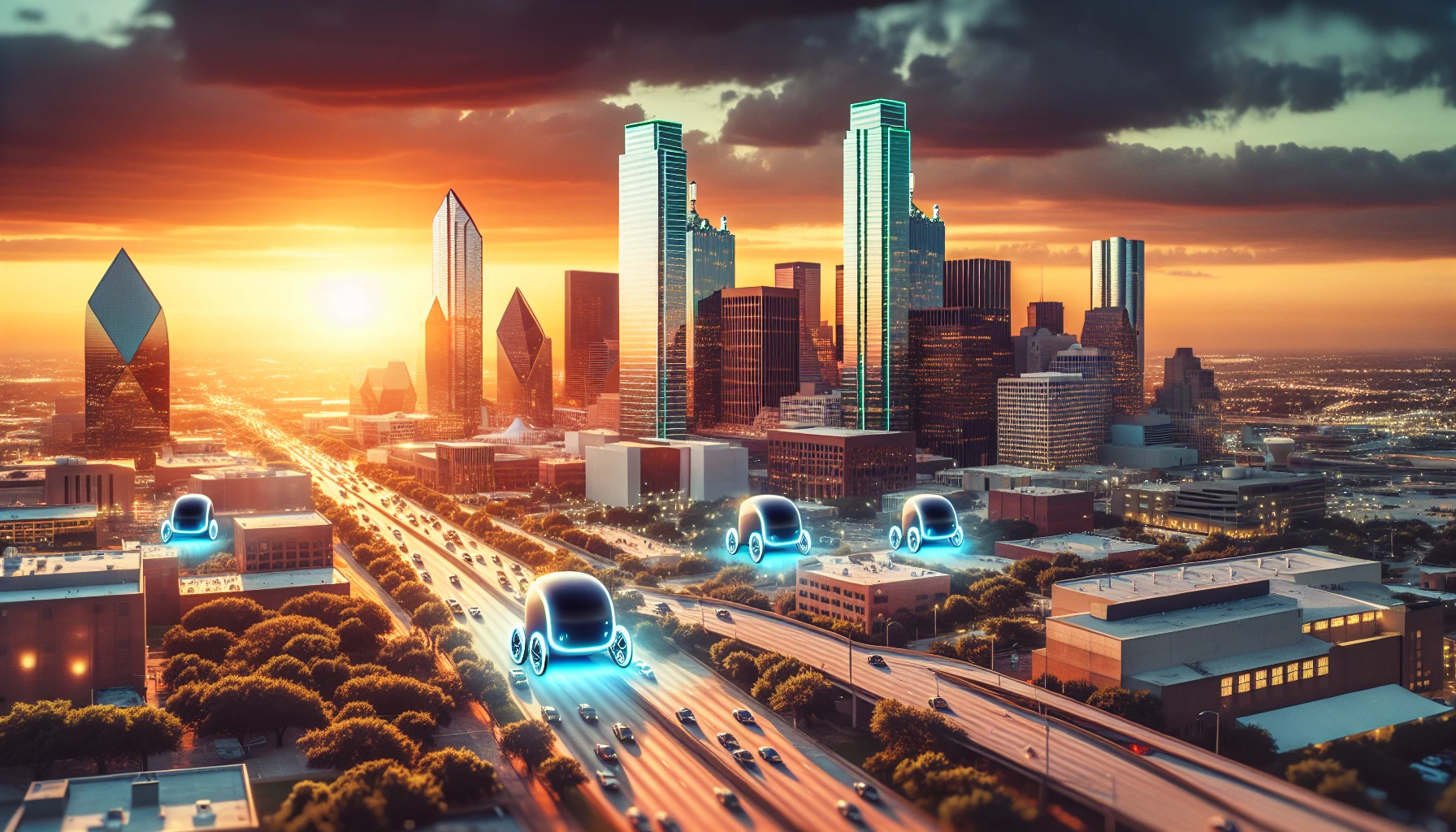
On April 18, 2026, Tesla announced the expansion of its robotaxi service to Dallas and Houston, offering fully autonomous rides with no human monitors or drivers in the front seat. This development marks a significant advance in the deployment of autonomous vehicles in the United States.
Details of Tesla's Robotaxi Service
Tesla's robotaxi service is currently operating in three cities: Austin, Dallas and Houston. In Dallas, the service area covers much of the urban center, while in Houston it extends across key areas of the suburban neighborhoods and major thoroughfares. Customers can request a ride through the Tesla app, with vehicles operating without human supervision, using Tesla's Full Self-Driving (FSD) technology.
Comparison with the Competition
Before Tesla, Waymo had already launched robotaxi service in several cities, including Dallas and Houston, with operations spanning 11 cities and more than 500,000 weekly rides. However, Waymo acts mainly as a technology provider, whereas Tesla is deploying a fleet of autonomous vehicles to operate the service directly. This approach differs from that of Uber, which leverages its ride-hailing platform but relies on external partners for vehicles and maintenance.
Implications for the Transportation Sector
The introduction of Tesla's robotaxis in Dallas and Houston is an important step toward the adoption of autonomous vehicles in urban areas. This development could significantly influence the transportation sector, offering more efficient and safer alternatives to traditional ride-hailing and taxi services. Moreover, Tesla's expansion into these cities could spur further investment and innovation in autonomous mobility.
Final Considerations
- Technological Innovation: The deployment of Tesla's robotaxis highlights progress in autonomous driving technology and its practical application in transportation.
- Market Competition: Tesla's entry into this sector intensifies competition with companies such as Waymo and Uber, pushing further innovation and the quality of the services offered.
- Economic Impact: The expansion of robotaxis could affect the local economy, creating new job opportunities and changing the dynamics of the transportation market.
- Public Acceptance: The success of the service will depend on public acceptance and trust in the safety of autonomous vehicles.
- Regulation: Widespread adoption of robotaxis will require regulatory updates to ensure the safety and operational efficiency of autonomous vehicles.
In short, the expansion of Tesla's robotaxi service to Dallas and Houston is a significant step in the evolution of urban mobility, with potentially profound impacts on the transportation sector and the local economy.


