
Tennessee Hacker Admits Breaching US Supreme Court Electronic Filing System
A young Tennessee hacker has admitted to breaching the US Supreme Court's electronic filing system, raising concerns about the security of sensitive data.
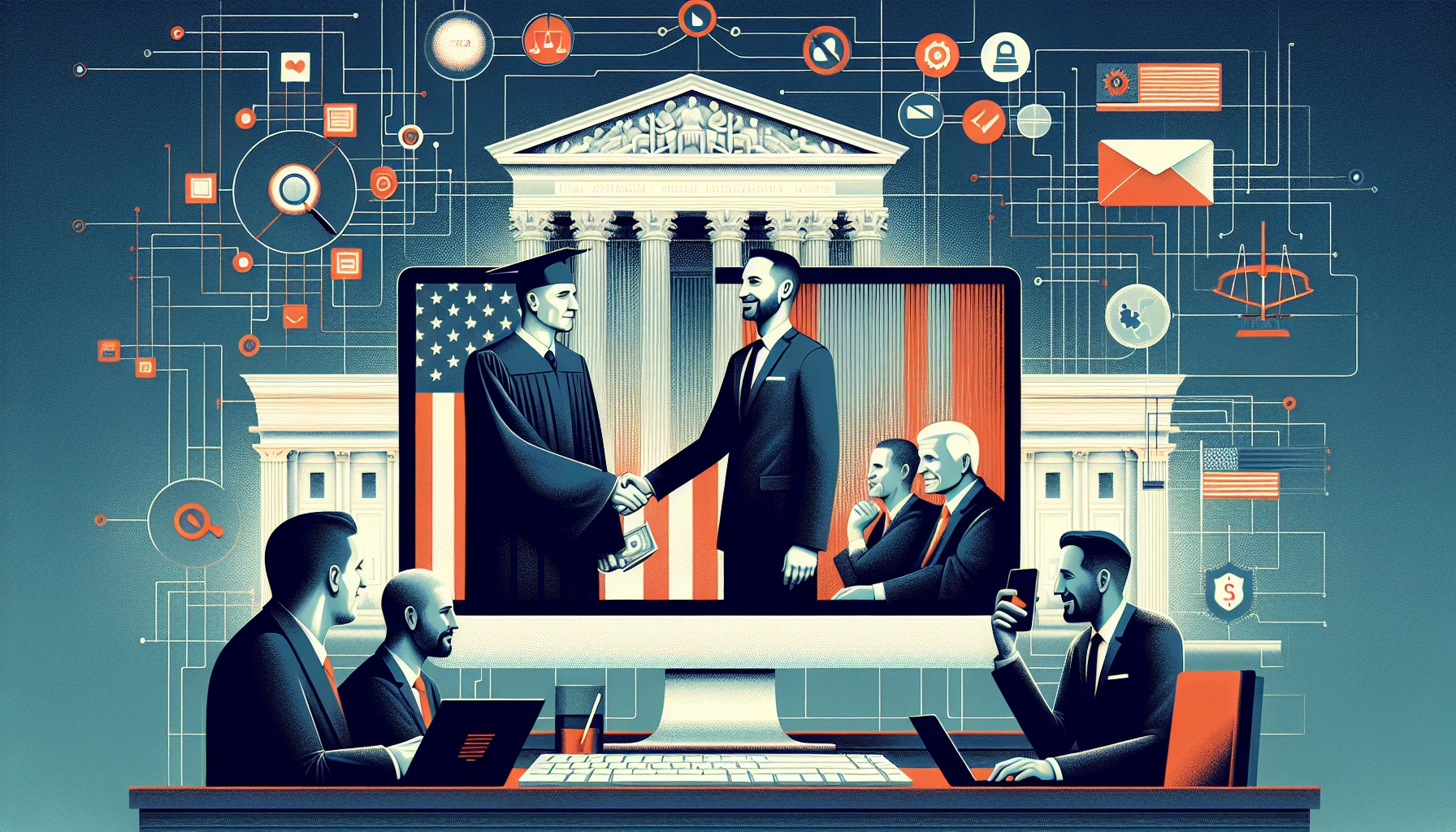
In January 2026, Nicholas Moore, a 24-year-old from Springfield, Tennessee, admitted to breaching the US Supreme Court's electronic filing system, accessing sensitive information without authorization on at least 25 occasions between August and October 2023. The case highlights vulnerabilities in justice systems and the importance of adequate security measures.
The Nicholas Moore Case: Details and Implications
According to court documents, Moore used stolen credentials to access the Supreme Court's electronic filing system, obtaining protected information. He also compromised the accounts of AmeriCorps and the Department of Veterans Affairs, accessing sensitive personal and health data. Moore shared this information on an Instagram account called "@ihackedthegovernment", which aggravated the seriousness of his actions.
Implications for Data Security
This incident raises significant concerns about the security of government systems and the protection of sensitive data. The ability of a single individual to access confidential information underscores the need to strengthen cyber defenses and implement stricter access controls.
Response of the Authorities and Legal Consequences
The authorities reacted promptly, with the US Department of Justice launching a thorough investigation. Moore was charged with computer fraud, a Class A misdemeanor. Despite the risk of up to one year in prison and a fine of up to $100,000, prosecutors asked for a prison sentence. Moore admitted his actions and expressed remorse at the sentencing hearing.
Lesson for Government Organizations
This case serves as a warning to government organizations about the need to invest in advanced cybersecurity measures. It is essential to adopt proactive security practices, such as multi-factor authentication and ongoing staff training, to prevent unauthorized access and protect sensitive information.
Conclusion: Reflections and Takeaways
- Vulnerabilities of Government Systems: The ability of a single individual to compromise government systems highlights gaps in current cybersecurity.
- Need for Stronger Security Measures: Government agencies must implement stricter access controls and advanced security technologies.
- Importance of Training and Awareness: Ongoing staff training on cyber threats and security best practices is essential to prevent similar incidents.
- Rapid Response by the Authorities: The prompt reaction of the authorities and law enforcement is essential to maintain public trust in the security of government systems.
- Legal Implications and Consequences: The severe legal consequences for cyberattacks underscore the importance of complying with cybersecurity and data protection laws.
This case underscores the importance of constant vigilance and an ongoing commitment to protecting government computer systems to ensure citizens' security and privacy.


