
Technology and mobility: key developments of 2025 and the challenges of the EV market
A closer look at the challenges and innovations in the electric and autonomous vehicle sector in 2025.
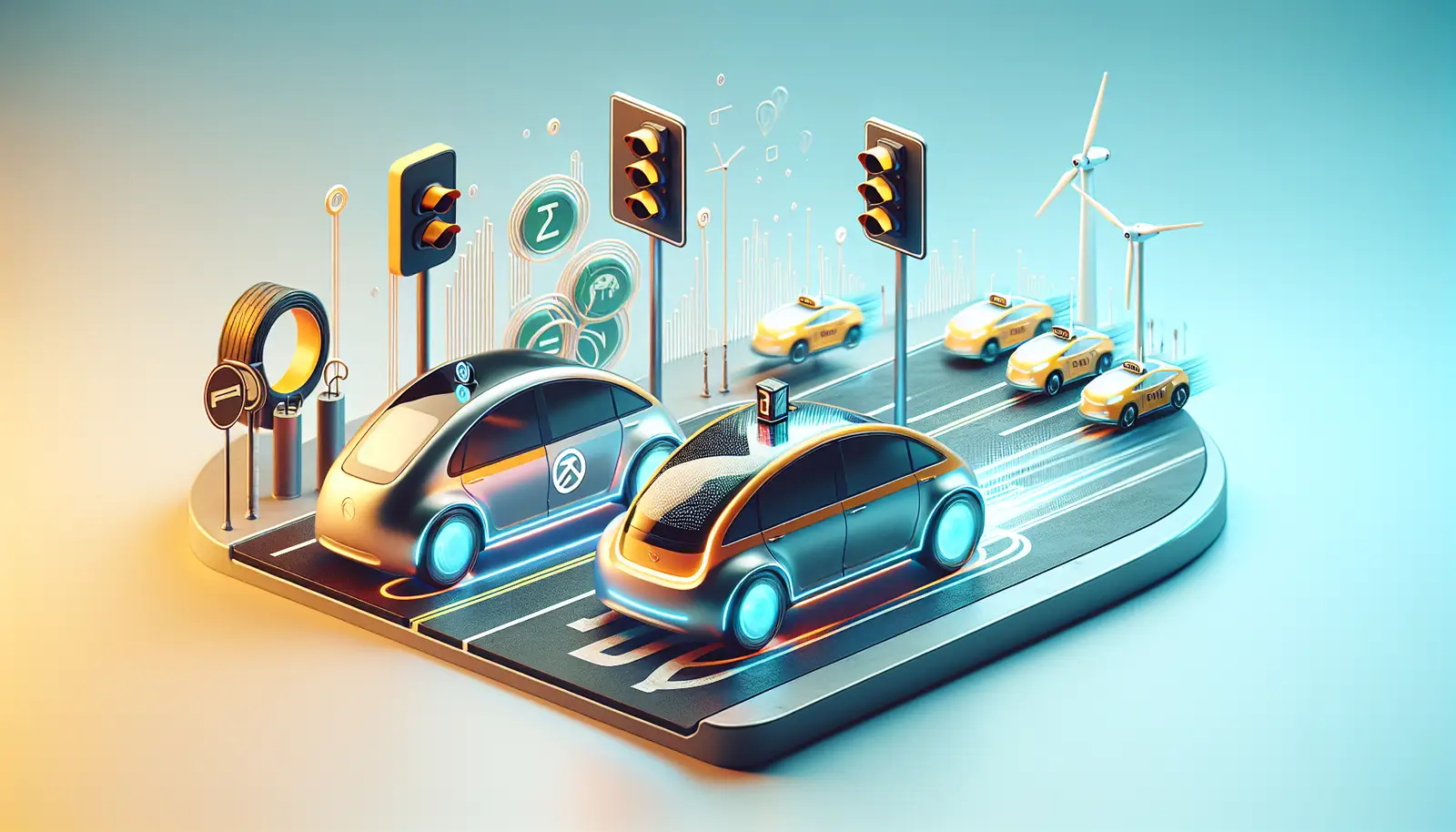
The current landscape of sustainable mobility in 2025
The mobility sector in 2025 is defined by technological innovation and new challenges tied to the spread of electric vehicles (EVs). Leading companies in the market are facing obstacles such as the transition to new charging standards and changes to tax incentive policies.
The challenges of EV expansion and the new charging standards
One of the main obstacles is the growing use of charging adapters, known as dongles, which complicate users' lives. With the transition to the Tesla charging standard, many drivers have to manage more than one charger, increasing complexity and costs. Carmakers are expanding their range of adapters, offering greater compatibility but introducing new logistical difficulties.
Innovation in autonomous platforms and commercial vehicles
Autonomous technology companies continue to expand their presence, integrating systems such as trucking platforms into logistics management solutions. For example, some autonomous driving platforms are collaborating with fleet management systems, encouraging the adoption of autonomous driving solutions in the commercial sector.
Strategic projects and investments
Large companies are investing heavily in supercomputers, autonomous vehicles and charging technologies to support the growth of electric and autonomous vehicle fleets. Investment in the helicopter sector and in new mobility technologies is growing, and the race among companies aims to innovate and optimize daily operations.
Future outlook and conclusions
The electric and autonomous mobility market in 2025 is at a crossroads: on one side, the need to simplify charging and fleet management solutions; on the other, the acceleration toward new technologies and standards that could lead to greater efficiency and sustainability. Investment and collaboration strategies between companies are crucial to overcoming current challenges and steering the sector toward a smarter and more sustainable future.
- Companies must tackle the complexity of the new charging standards with more compatible solutions.
- The adoption of autonomous systems is growing in logistics and public services.
- Technology investment is essential to sustain the competitiveness of the EV and autonomous sector.


