
Runway bets on the robotics industry to expand future revenue
Runway is entering the robotics and autonomous vehicle sector, leveraging its simulation technology to reduce training costs and time.
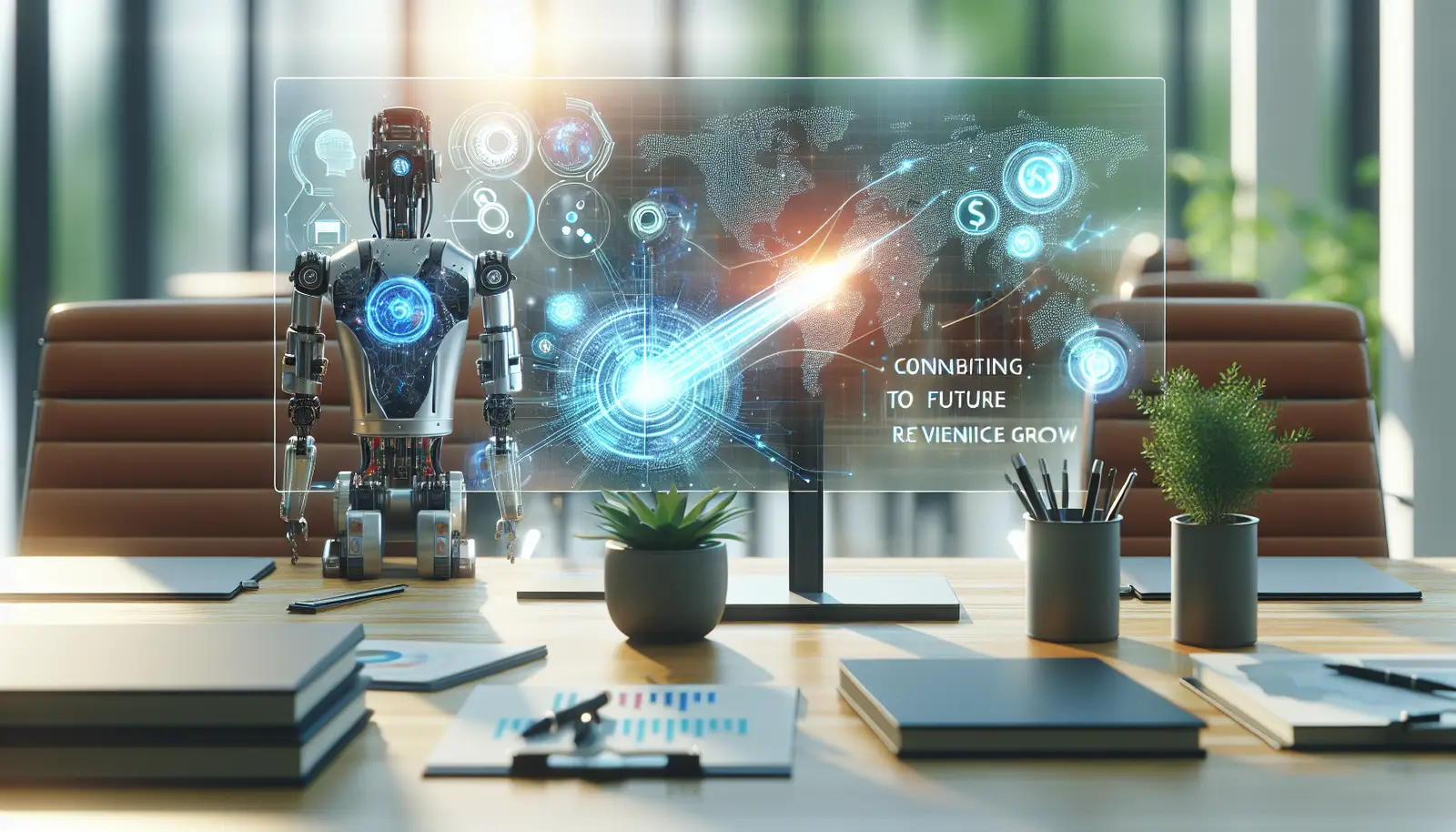
Expansion into robotics and autonomous vehicles
Runway, a New York company with solid experience in developing AI-based visual generation tools, is expanding its activities by targeting the robotics and self-driving vehicle sector. The company, famous for its AI models capable of generating realistic video and images, is working on building a team dedicated exclusively to robots and on fine-tuning existing models for these industries.
Innovation through simulation
Runway's main value lies in its ability to simulate realistic environments, a tool that makes it possible to test behaviors and strategies without the risks or high costs of real-world training in driving or robotic interaction scenarios.
This approach is particularly useful for training the policies and behaviors of robots and autonomous vehicles, making it possible to create various scenarios and predict the effects of different actions more efficiently than with field tests.
Collaborations and market strategies
Initially, Runway had not planned to enter the robotics sector, but interest from companies in these fields led it to share its technologies. The company intends to refine existing models, without developing entirely new lines, also thanks to a capital raise of more than 500 million dollars, with investors such as Nvidia, Google and private equity funds, valuing the company at around 3 billion dollars.
Future prospects and competition
Runway's project fits into a context of strong growth in the simulation market, which is expected to reach trillions of dollars in size, much larger than the revenue of the media and entertainment sector. The company aims to dominate this segment, optimizing its modeling and simulation capabilities to also meet the needs of industries such as automotive and industrial robotics.
Conclusions
- Runway is widening its scope by focusing on robotics and autonomous vehicles.
- Realistic simulation reduces training and testing time and costs.
- The sector represents an enormous growth opportunity, with potential applications that go beyond entertainment.
- Success will depend on how well the company can demonstrate the effectiveness of its solutions in industrial and mobility settings.


