
Robotics Expert Warns: The Humanoid Robot Bubble Is About to Burst
An analysis of the challenges and future of humanoid robots, focusing on technological limitations and forecasts for the evolution of the robotics sector.
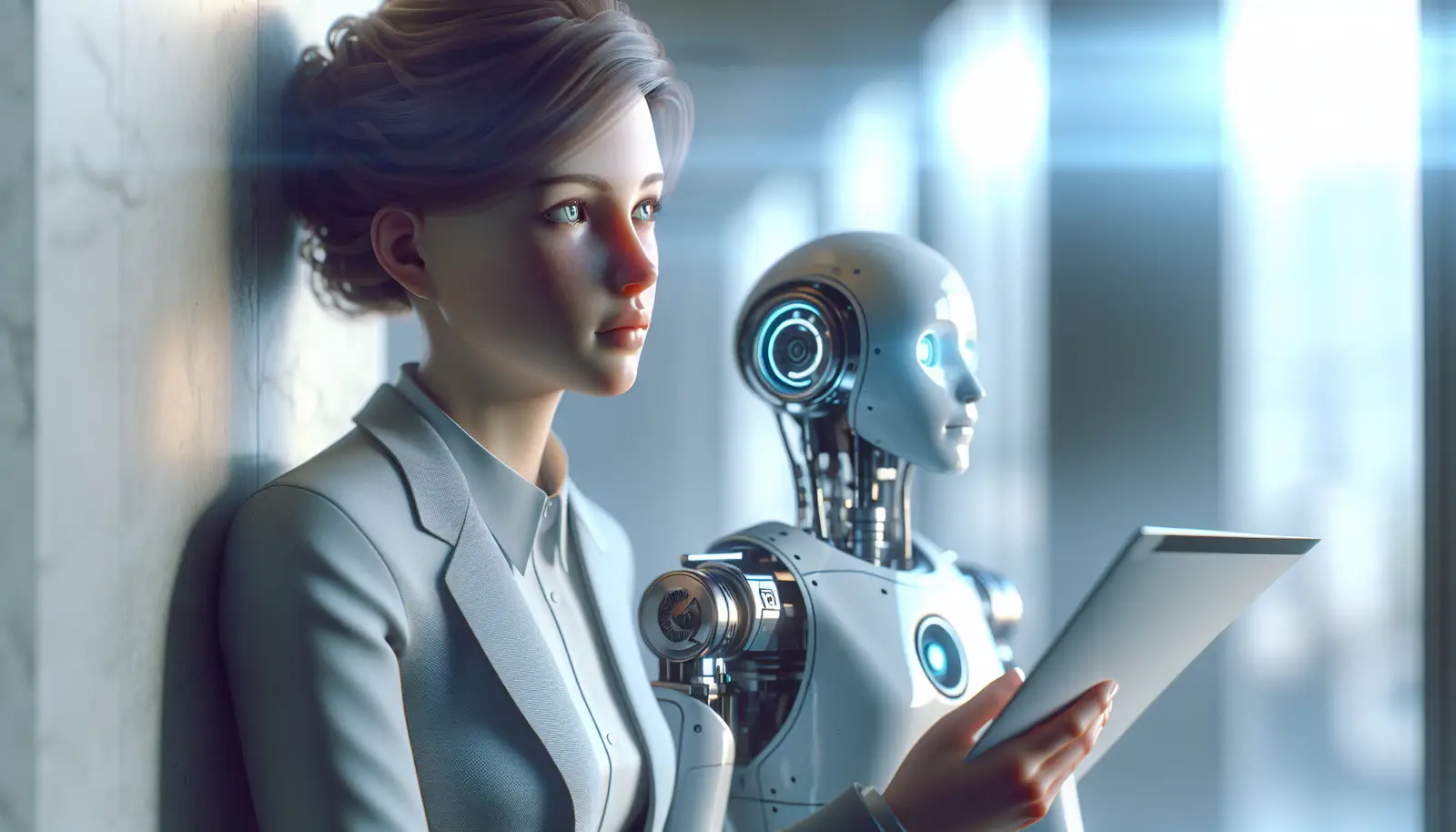
Analysis of current challenges in developing humanoid robots
Progress in robotics has led to the creation of robots that mimic the appearance and some behaviors of humans. However, there are strong doubts about the real ability of these robots to reach dexterity comparable to that of humans, especially in terms of touch and safety. The complexity of human hands, with about 17,000 sensory receptors, is still a difficult goal to replicate with current technology.
The limits of learning technology and safety
While machine learning has revolutionized speech recognition and image processing, there is no established tradition of collecting data on touch, which is essential for precise tasks such as object manipulation. In addition, the energy required to keep a humanoid robot stable and safe from falls is very high, increasing the risks associated with possible accidents involving robots that are too large or powerful.
Forecasts for the future of humanoid robots
According to some experts, over the next 15 years most of the robots that today qualify as 'humanoid' could evolve by abandoning the human form, adopting wheeled movement, multiple limbs and specialized sensors. In the meantime, billion-dollar investments in this technology risk being costly and ineffective experiments on a large scale.
Conclusions and implications
- Technical and safety challenges limit the progress of humanoid robots.
- Forecasts point to an evolution toward more functional and less anthropomorphic forms.
- Current investments may not lead to scalable or commercially viable solutions.
The future direction of the robotics sector could therefore turn toward more practical and safer technologies, with a preference for simpler and more specialized robotic forms.


