
Removable Mini SSD: The Revolution for the Handheld Gaming of the Future
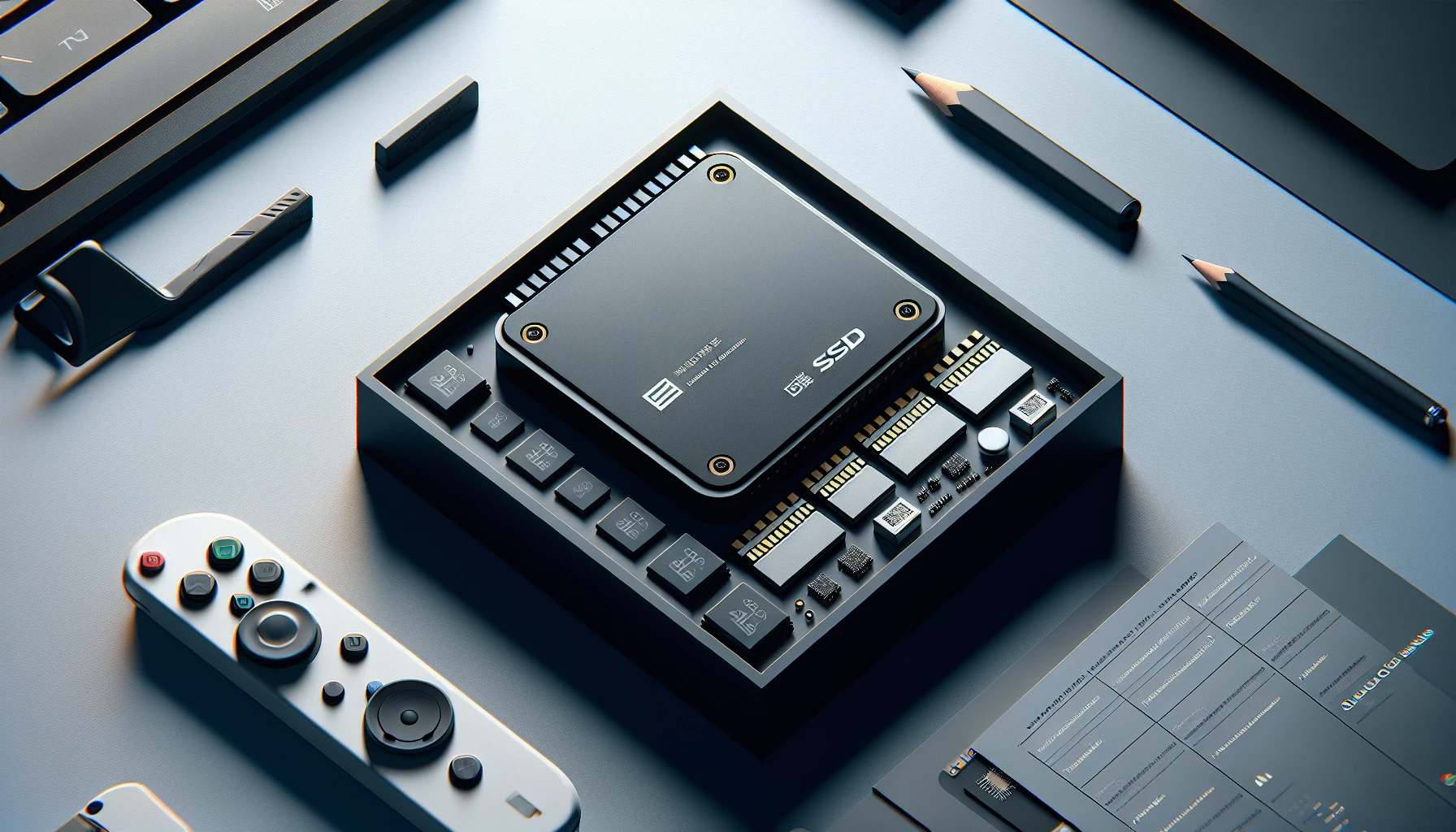
In the fast-evolving landscape of handheld gaming devices, one of the most pressing challenges is managing storage space and loading speed. Recently, innovation in the sector has focused on creating removable mini SSDs, an element that could radically change how gamers approach expanding their game libraries and performance.
The birth of a new standard: the Mini SSD
Made by the Chinese company Biwin, the Mini SSD measures about 15x17 mm and supports read speeds of up to 3,700MB/s thanks to a two-lane PCI Express 4.0 interface. This technology, although not yet officially standardized, represents a significant breakthrough compared with traditional microSD Express cards, which generally reach much lower speeds.
Technical features and advantages
- Extremely compact size: makes it easy to upgrade handheld devices without taking everything apart.
- Support for high data transfer speeds, on par with internal SSDs.
- Capacity ranging from 500GB to 2TB, ideal for the wide range of modern games.
- Inserted through a SIM-format slot, compatible with latest-generation handhelds such as the GPD Win 5 and OneXPlayer Super X.
Size and compatibility issues
Although promising, this format is not yet an official standard. The small size and the lack of an established standard could limit compatibility with devices already on the market, but the potential for future developments is high. In particular, compatibility with SD Express cards already supports transfer speeds substantially higher than classic microSD slots, especially when multiple PCIe lanes are supported.
Why this innovation is crucial for gaming
The exponential growth in game sizes, as shown by TechSpot analyses, shows that many modern titles exceed 100GB and require fast, expandable storage solutions. Devices such as the Steam Deck, Nintendo Switch and other handhelds are struggling to keep up with demands for space and speed, often sacrificing the convenience of easily upgrading storage hardware.
Future implications
If this technology catches on, it could become a viable alternative to, or complement of, current storage solutions, allowing simple and fast upgrades without compromising performance. The ability to easily insert and remove large-capacity SSDs lowers costs and increases the practicality of consoles and handhelds, making mobile gaming more powerful and customizable.
Final thoughts
Although the Mini SSD is still a prototype and a not-yet-standardized solution, its benefits are clear and could bring a radical change to the portable storage sector for gamers. The future challenge will be to make this technology compatible with more devices and to overcome the barriers to standardization.
For consumers, this means more freedom to invest in high-quality storage and more upgrade flexibility. For the industry, an opportunity to innovate and offer more advanced, sustainable and user-friendly products.


