
ProducerAI Joins Google Labs: Revolutionizing Music Production With AI
Discover how the integration of ProducerAI into Google Labs is revolutionizing music production with AI.
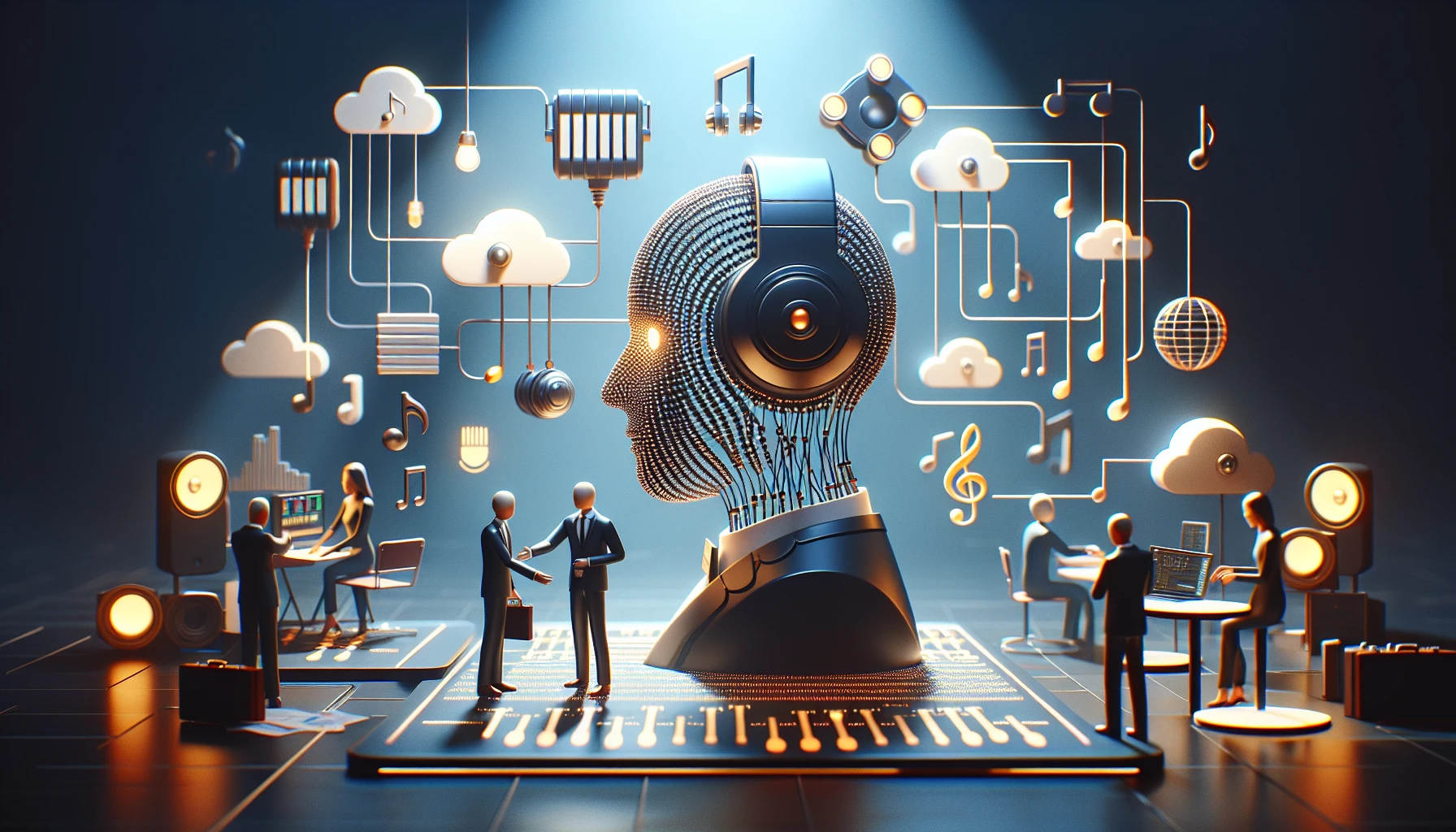
In February 2026, Google announced the integration of ProducerAI, an AI-based music generation platform, into its experimental lab, Google Labs. This step marks a significant advance in the use of AI for music creation, offering artists innovative tools to express their creativity.
What Is ProducerAI?
Originally launched as Riffusion, ProducerAI lets users generate music using natural language prompts, such as "create a lo-fi beat". The platform draws on Google DeepMind's Lyria 3 music generation model, capable of turning text and even images into audio output. This approach makes music production more accessible and versatile, allowing users to collaborate with AI as if it were a creative partner.
Collaboration With Wyclef Jean
A concrete example of ProducerAI in use is its collaboration with rapper and producer Wyclef Jean. Jean used Google's tools to create his track "Back in Abu Dhabi". In a promotional video, Jean stressed the importance of human creativity in the music process, saying: "There's one thing you have over AI: a soul. And there's one thing AI has over you: infinite information." This shows how AI can be a powerful ally in music production without replacing the essential human element.
Implications for the Music Industry
The integration of ProducerAI into Google Labs represents an important step in the evolution of AI-assisted music production. It gives artists advanced tools to experiment with new sounds and genres, expanding creative possibilities. However, it also raises questions about copyright and the ethical use of data. It is essential for the music industry to develop clear guidelines for the use of AI, ensuring respect for artists' rights and transparency in creative processes.
Conclusion
- Innovation in Music Production: The integration of ProducerAI into Google Labs gives artists advanced tools for AI-assisted music creation.
- Human-AI Collaboration: Examples such as the collaboration with Wyclef Jean show how AI can be a creative partner without replacing the human element.
- Ethical Considerations: Clear guidelines for the use of AI in the music industry are essential, respecting copyright and ensuring transparency.
This technological evolution opens new frontiers in music production, offering unprecedented opportunities for experimentation and innovation. Artists and industry professionals must be ready to adapt to these new dynamics, using AI's potential to enrich their creative expression.


