
Post-Mortem Brain Preservation: New Developments and Implications
A recent study successfully preserved a pig's brain, opening new perspectives for brain preservation and potential post-mortem reactivation.
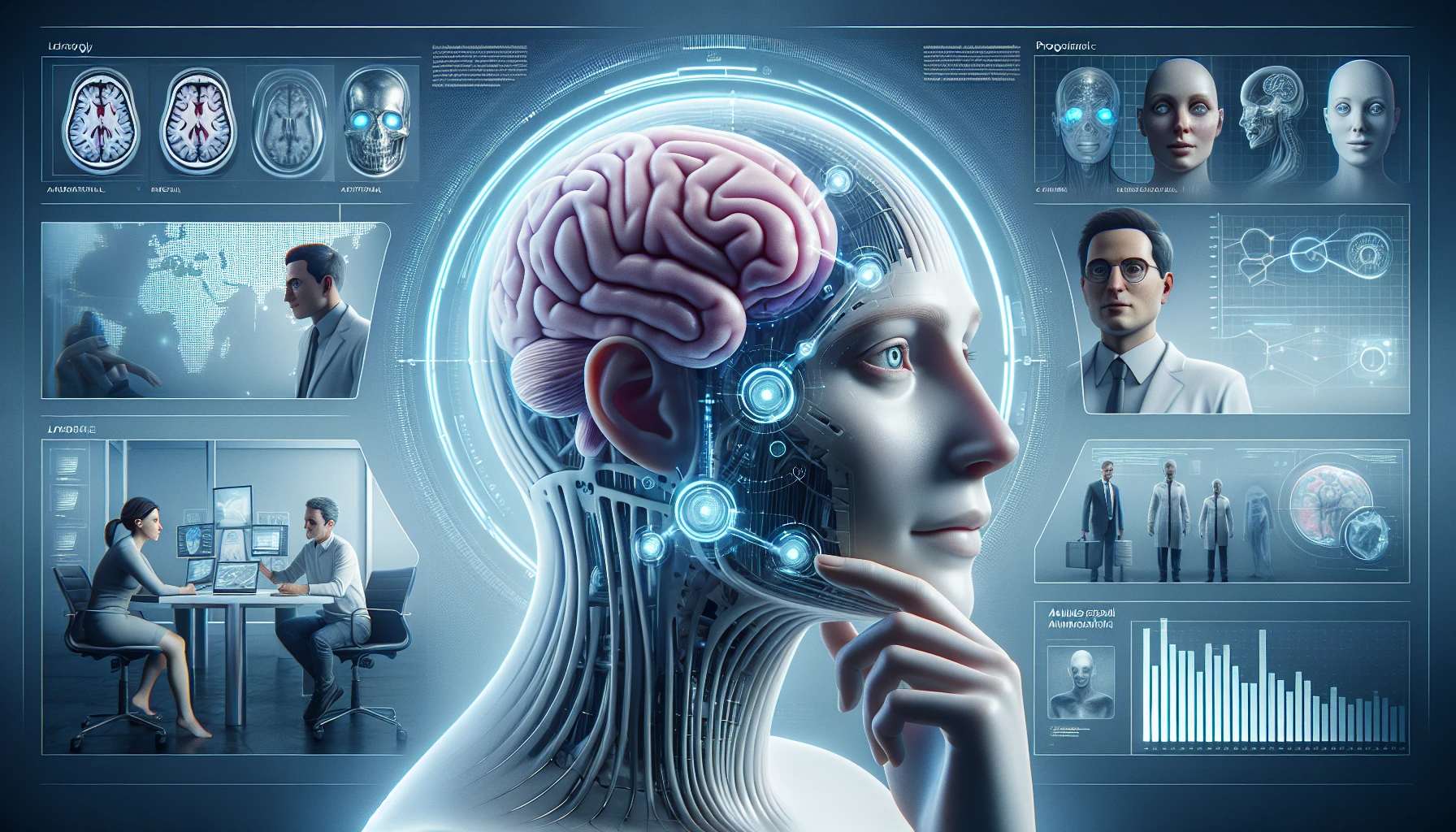
Recent developments in brain preservation have brought significant progress in preserving mammalian brains, with potential implications for post-mortem reactivation. A research team applied an advanced technique to freeze a pig's brain, keeping cellular activity intact and minimizing cell damage. This result suggests the possibility of preserving the neural architecture needed for a future reconstruction of an individual's mind.
Study Details and Methodology
The research team used a chemical solution designed to restore circulation and cellular activity in the post-mortem brain. Despite the absence of the global electrical signals associated with normal brain function, cellular and molecular activity was observed, challenging previous beliefs about the irreversible cessation of certain brain functions after death. This approach could pave the way for future brain reactivation techniques.
Implications for Brain Preservation and Reactivation
Effective brain preservation is fundamental to preserve the neural information needed to reconstruct the mind. Although complete post-mortem brain reactivation remains a significant challenge, current advances offer new perspectives for research in this field. It is important to note that, despite these advances, no global electrical signals associated with normal brain function have been observed, indicating that full brain reactivation remains a complex goal.
Ethical Considerations and Future Directions
These developments raise important ethical questions about the preservation and potential reactivation of human brains. A thorough debate on the moral and practical implications of such techniques is essential. Furthermore, future research should focus on improving preservation methodologies and understanding the cellular mechanisms involved in brain reactivation.
Takeaways
- Innovation in brain preservation: Advanced techniques allow cellular activity to be preserved in the post-mortem brain, reducing cell damage.
- Potential for brain reactivation: Current progress offers new perspectives for research on post-mortem brain reactivation.
- Emerging ethical issues: The preservation and potential reactivation of human brains raise important moral and practical considerations.
- Need for continued research: Research must continue to improve preservation methods and understand the mechanisms of brain reactivation.


