
π0.7: The New AI Model Transforming Robotics
Find out how Physical Intelligence is developing π0.7, an AI model that lets robots learn tasks they have never seen before.
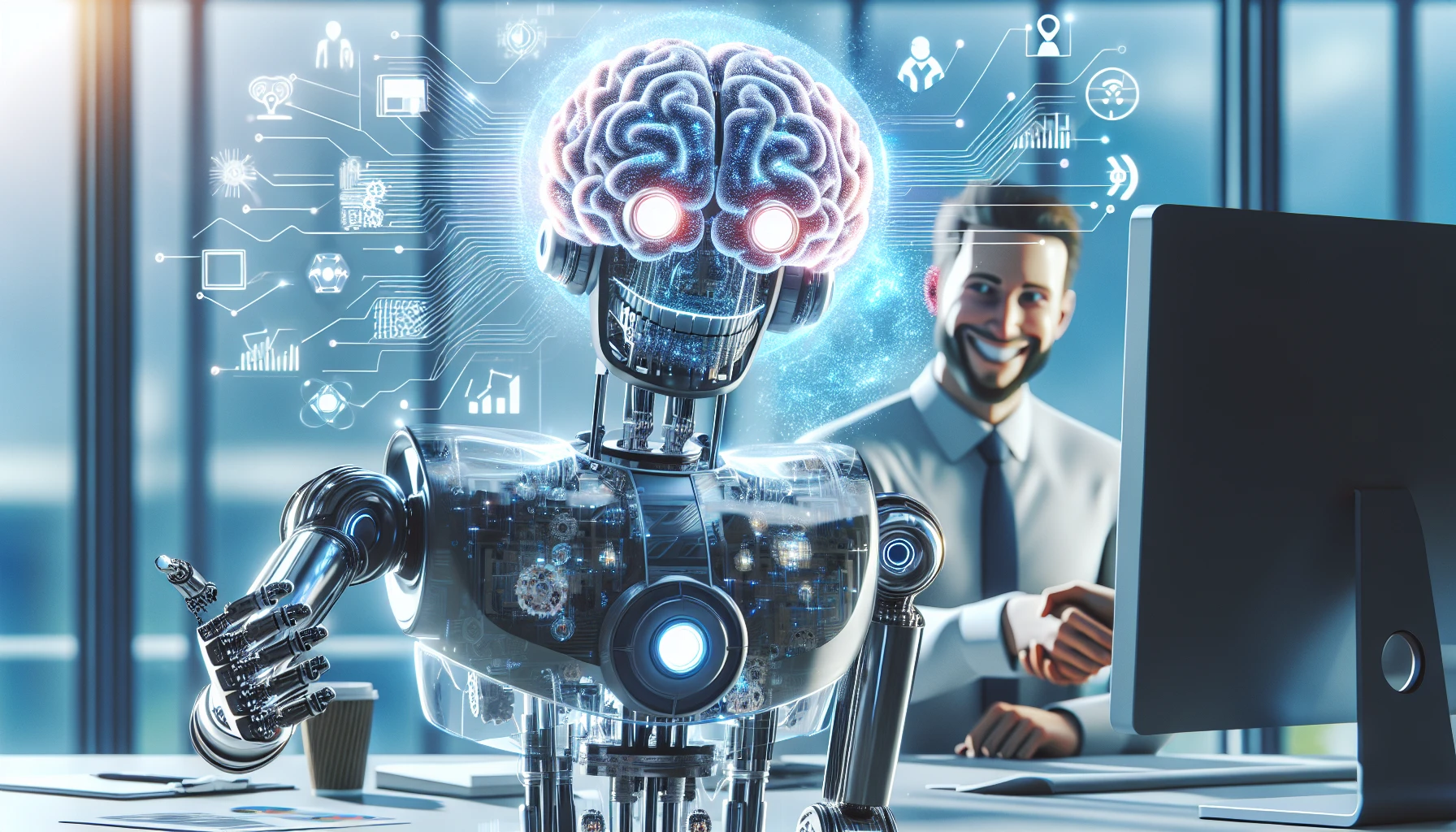
Physical Intelligence, an emerging startup in robotics, has recently unveiled π0.7, an AI model that represents a significant step toward a general-purpose robot brain. This model allows robots to learn and perform tasks they were not explicitly trained for, overcoming the traditional limitations of specialized models.
π0.7: A step toward general artificial intelligence
π0.7 is designed to combine skills learned in different contexts, allowing robots to tackle tasks they have never encountered before. This approach departs from the traditional training methodology, which requires collecting specific data for each new task. With π0.7, robots can generalize the skills they have acquired, facing new challenges with greater efficiency.
Practical applications and future implications
A concrete example of π0.7's capabilities is its use of an air fryer, a device the robot had never seen before. Despite the scarcity of specific data on using this appliance, the model managed to understand how it works and use it to cook a food, demonstrating remarkable adaptability and autonomous learning.
This development could revolutionize the robotics sector, enabling robots to be deployed in environments and tasks previously out of reach. The implications for sectors such as logistics, manufacturing and healthcare are enormous, offering opportunities to increase efficiency and reduce operating costs.
Prospects for the future
The success of π0.7 is a fundamental step toward realizing autonomous and adaptable robots. However, significant challenges remain, such as ensuring safety and reliability in complex environments. Ongoing research and development in this field is essential to address these challenges and to realize the full potential of intelligent robots.
- Technological innovation: π0.7 marks a significant advance in AI applied to robotics, letting robots autonomously learn tasks they have never seen before.
- Industrial applications: Robots' generalization capabilities could transform sectors such as logistics and manufacturing, improving operational efficiency.
- Future prospects: Despite progress, it is essential to address safety and reliability challenges to ensure widespread adoption of autonomous robots.


