
Physical AI: The New Frontier of Robotics and Automation
Explore how Physical AI technology is revolutionizing robotics and automation, linking AI with the physical world.
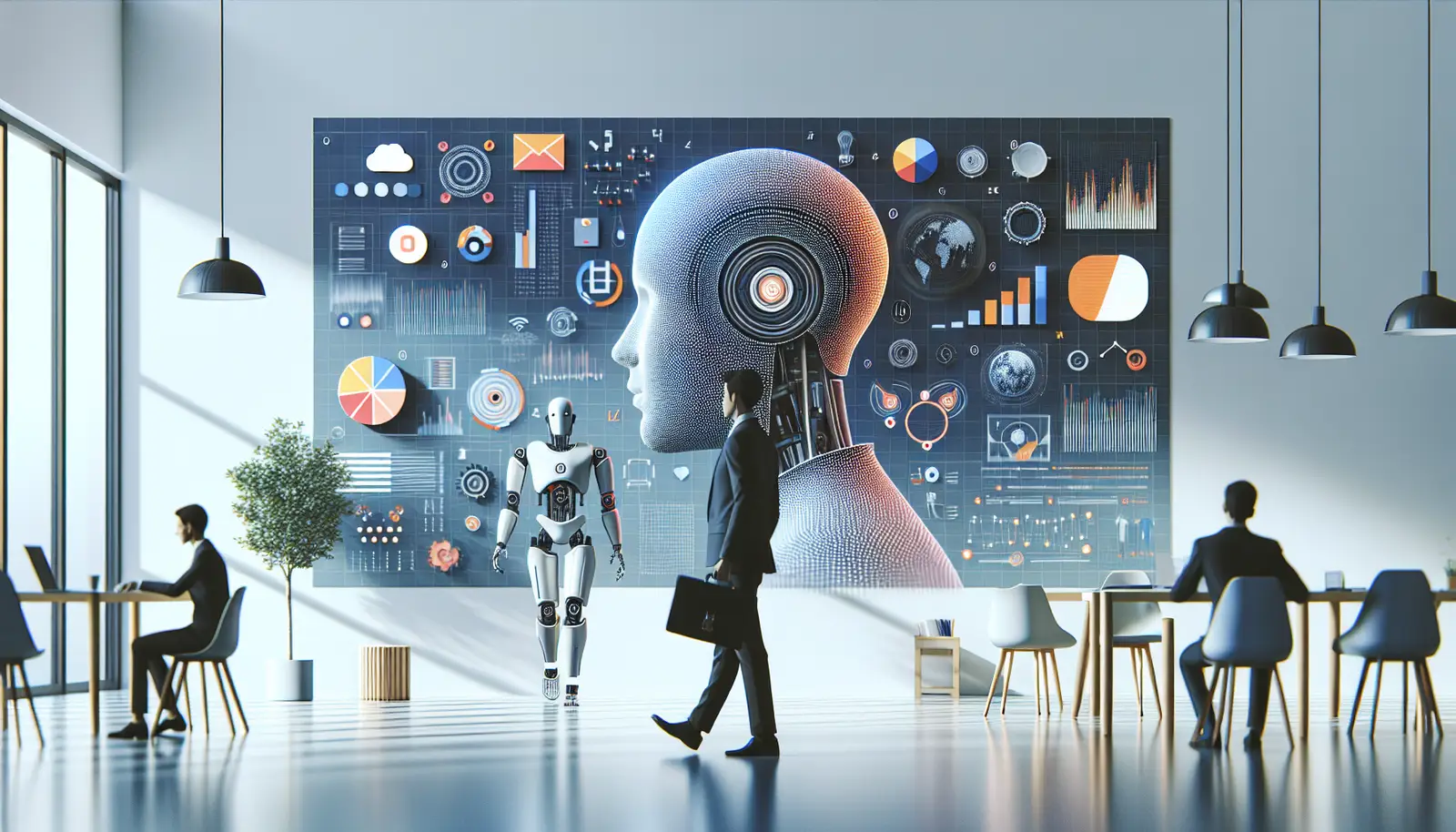
Introduction to Physical AI
The term "Physical AI" or "embodied AI" refers to the application of artificial intelligence in the real world, outside the digital domain. This technology combines AI models with sensors, cameras and motorized control systems to enable physical devices such as humanoid robots, drones, autonomous vehicles and industrial robots to perceive, understand their surroundings and make operational decisions.
Uses and applications
Physical AI applications range from agriculture to robotics, from autonomous vehicles to industrial production systems and wearable devices. This technology allows physical systems to interact effectively with complex environments, improving the precision, safety and efficiency of automated operations.
Notable events
Recently, major companies in the automotive and robotics sectors have shown considerable progress and interest. Hyundai, for example, presented robots of various shapes, including humanoid figures, through its subsidiary Boston Dynamics. These robots are equipped with advanced perception and decision-making capabilities, a sign of a sector in strong expansion.
Perspectives and opinions
Industry experts believe that, despite the hype surrounding humanoid robots and Physical AI technology, it remains realistic and promising. The parallels with the explosion of the internet in the early 2000s support the view that this technological revolution will be stable and long-term, despite market swings and temporary valuations.
Trends and the future
Leading companies are investing in this technology, developing more sophisticated robots integrated into production, logistics and service systems. The outlook points to growing adoption of physical AI to support automation in complex environments and the creation of autonomous robots capable of operating effectively in the real world.
Conclusions
- The Physical AI sector represents one of the most advanced frontiers of robotics and automation.
- Applications extend across many industrial and civil sectors, offering opportunities to improve productivity and safety.
- Current hype is backed by concrete progress and significant investment, making this technology a key element of the future of automation.


