
OpenAI Develops Smartphone with AI Agents Instead of Apps
OpenAI is developing a smartphone that uses AI agents instead of traditional apps, with production planned for 2028.
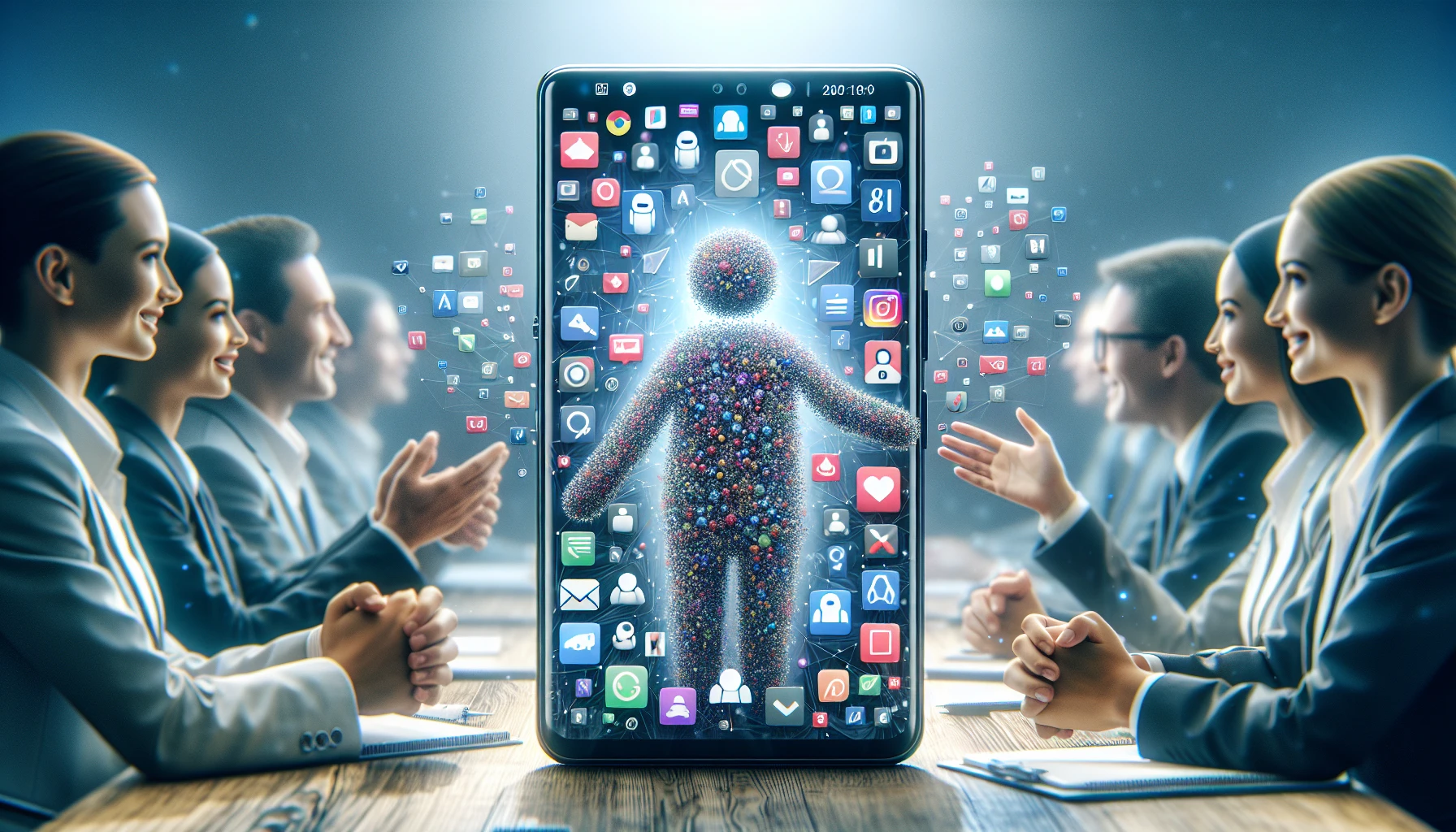
OpenAI is designing an innovative smartphone that will replace traditional applications with autonomous AI agents, with production expected to start in 2028. The device aims to revolutionize how users interact with technology, offering a more integrated and personalized experience.
Strategic collaborations for hardware development
To bring this ambitious project to life, OpenAI has started collaborations with MediaTek and Qualcomm to develop custom processors, while Luxshare has been selected as the exclusive partner for the system's design and manufacturing. This synergy aims to ensure optimal integration between hardware and software, which is key to the device's success.
The role of AI agents in the new smartphone
The heart of the innovation lies in the use of AI agents in place of traditional applications. These agents will be able to understand and anticipate the user's needs, carrying out complex tasks autonomously and in a personalized way. This approach promises to simplify everyday interaction with the device, reducing the need to switch between different apps to complete common tasks.
Implications for the market and competition
If confirmed, this development could mark a significant turning point in the smartphone market, pushing other manufacturers to integrate similar solutions. OpenAI's approach could also influence the strategy of companies like Google, which is working to integrate AI deeply into its devices, as shown by recent initiatives with Android 17 and agentic automation. (techradar.com)
Final considerations
OpenAI's project is a bold step toward a future in which artificial intelligence is not just an add-on, but a central element of the user experience. With production expected to start in 2028, the tech industry is waiting to see how this device could redefine everyday interactions with technology.
- Hardware-software innovation: The collaboration with MediaTek, Qualcomm and Luxshare highlights the importance of close integration between hardware and software for the device's success.
- Role of AI agents: Using AI agents instead of traditional apps could simplify user interaction by anticipating their needs autonomously.
- Implications for the market: This development could push other manufacturers to follow suit, influencing the strategies of companies like Google in the smartphone sector.


