
OpenAI and Indian Educational Institutions: Integrating AI in Higher Education
OpenAI is collaborating with Indian educational institutions to integrate AI into academic programmes, aiming to reach over 100,000 students, faculty and staff within a year.
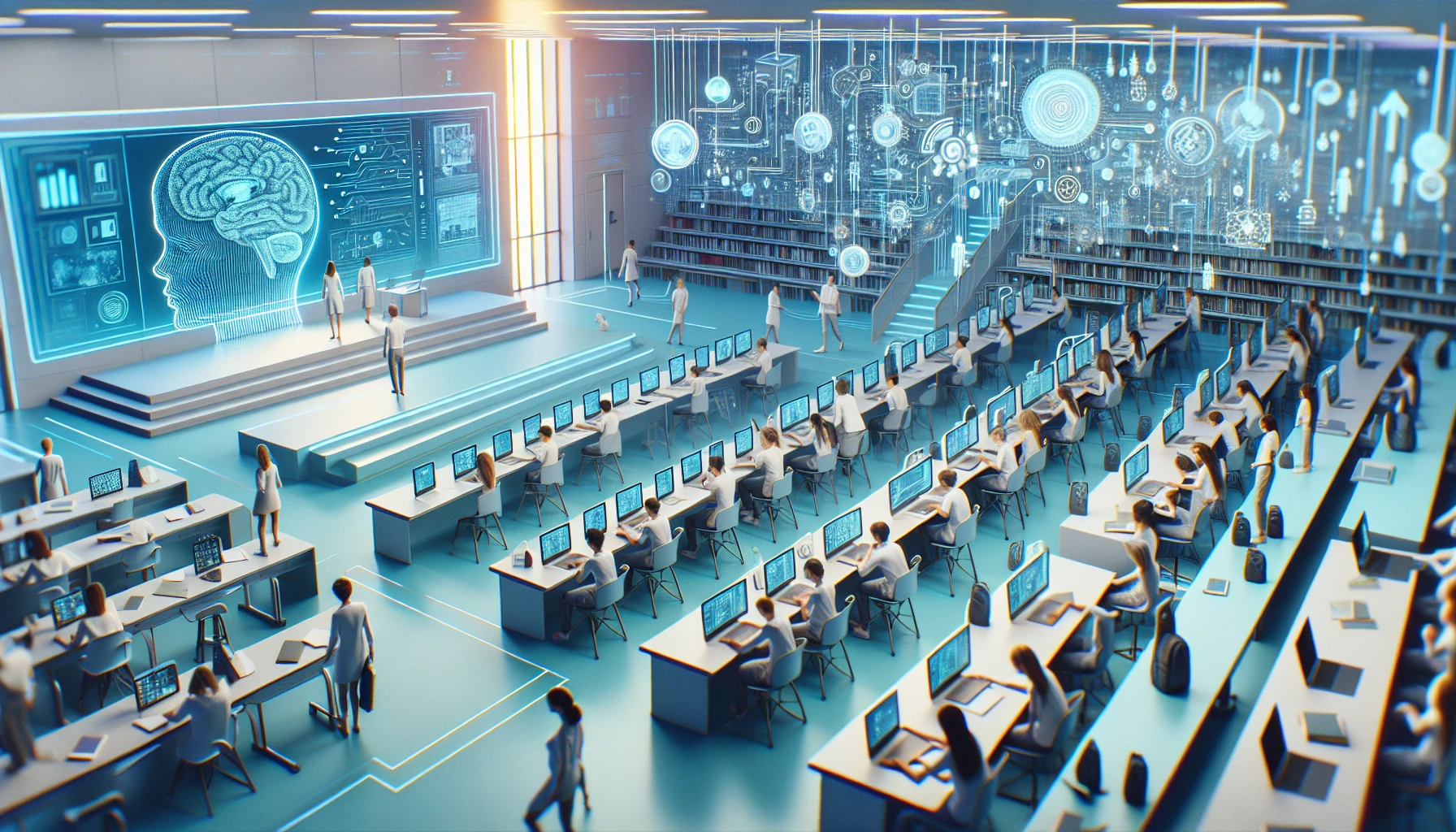
OpenAI has recently announced a series of collaborations with some of India's leading educational institutions, marking a significant step in the integration of artificial intelligence (AI) into the country's higher education sector. This strategic move aims to prepare future generations for the challenges and opportunities offered by AI, promoting responsible and widespread adoption of these advanced technologies.
The Institutions Involved
The first collaborations include prestigious institutions such as the Indian Institute of Technology (IIT) Delhi, the Indian Institute of Management (IIM) Ahmedabad, the All India Institute of Medical Sciences (AIIMS) New Delhi, Manipal Academy of Higher Education, the University of Petroleum and Energy Studies (UPES) and Pearl Academy. These partnerships cover a wide range of disciplines, from engineering and management to medicine, energy and design, reflecting OpenAI's commitment to integrating AI into various academic fields.
Aims of the Initiative
OpenAI's initiative aims to reach over 100,000 students, faculty and academic staff over the coming year. The goal is not only to provide access to AI tools, but to integrate them systematically into core academic functions such as research, data analysis and software development, promoting responsible and ethical use of AI within educational institutions.
Partnerships with EdTech Platforms
Beyond its alliances with universities, OpenAI has entered into agreements with technology education platforms such as Physics Wallah, upGrad and HCL GUVI. These collaborations aim to extend AI training beyond university campuses, offering structured courses on the fundamentals of AI and ChatGPT use cases, aimed at students and professionals at the start of their careers. This approach seeks to democratise access to AI, making it available to a broader and more diverse audience.
Implications for India's Education Sector
OpenAI's push into Indian higher education comes at a crucial moment, as the country seeks to close the digital skills gap and prepare its workforce for the challenges of the digital economy. The integration of AI into academic programmes not only improves the efficiency and effectiveness of teaching and learning, but also prepares students for a rapidly evolving job market, where AI skills are increasingly in demand.
Future Prospects
The collaborations between OpenAI and Indian educational institutions represent an important step towards building a sustainable and inclusive AI ecosystem in India. As these initiatives expand, the adoption of AI in higher education is expected to grow, leading to greater innovation, advanced research and career opportunities for students. Moreover, these alliances could serve as a model for other developing nations seeking to integrate AI into their education systems, promoting inclusive and sustainable economic growth.
Takeaways
- Integrating AI into Higher Education: The collaborations between OpenAI and Indian universities aim to integrate AI into academic programmes, preparing students for the challenges of the digital economy.
- Extended Training: Alliances with EdTech platforms such as Physics Wallah and upGrad aim to extend AI training to a broader audience, democratising access to these skills.
- Economic Implications: The integration of AI into higher education could stimulate innovation and create new career opportunities, contributing to India's sustainable economic growth.
- A Model for Other Countries: These initiatives could serve as an example for other developing nations seeking to integrate AI into their education systems, promoting inclusive growth.
In conclusion, OpenAI's commitment to Indian higher education represents a strategic move to promote the responsible and widespread adoption of AI, preparing future generations for an increasingly digital and interconnected world.


