
Nvidia Expands Its Empire With a Billion-Dollar Networking Business
Nvidia is growing its networking division, which generated over 11 billion dollars last quarter and has become essential to AI infrastructure and data centers.
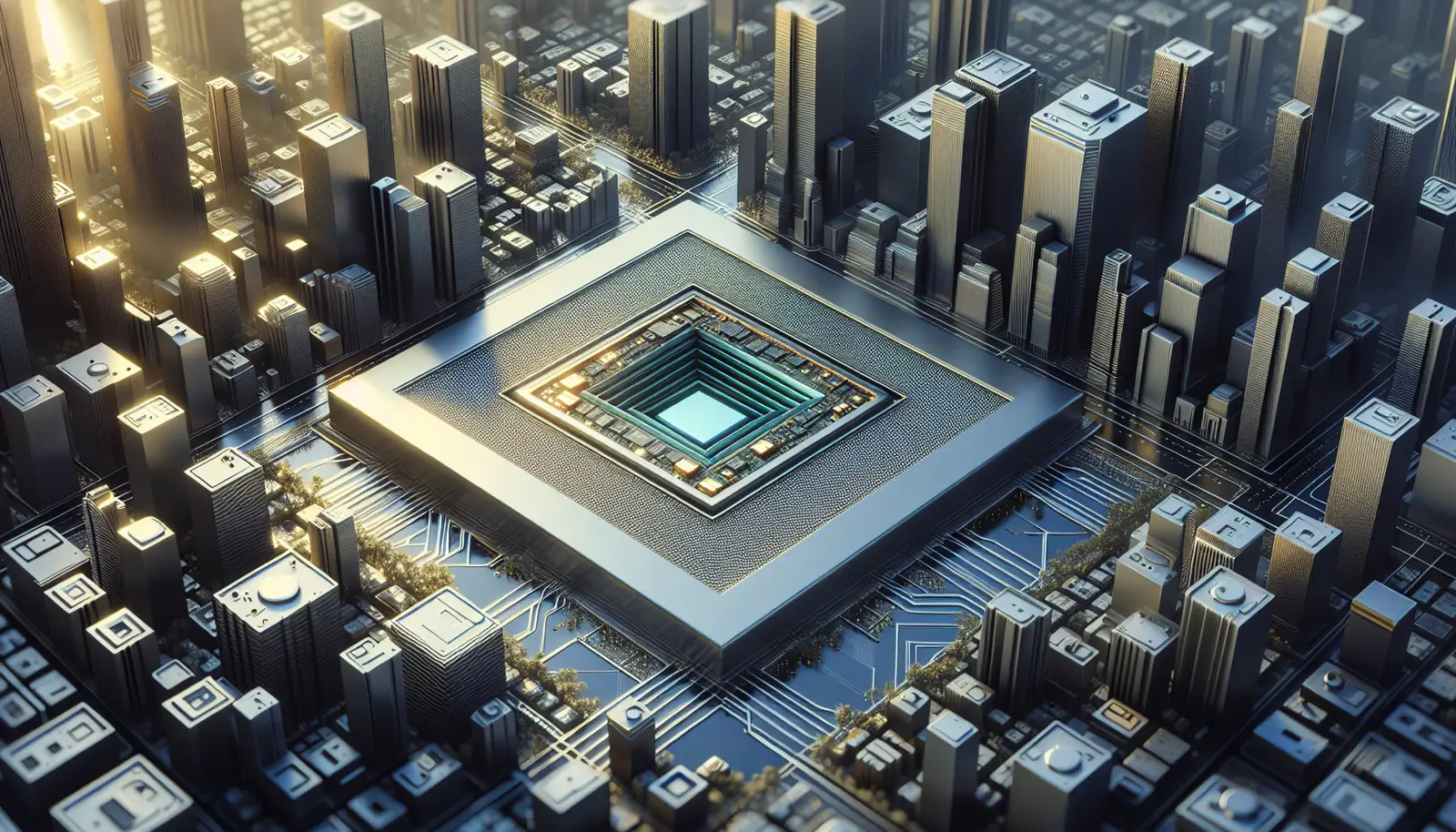
Nvidia is consolidating a strategic division that gets less publicity than its core chip and gaming business, but is just as powerful: networking. Recently, this area has recorded significant revenue, topping 11 billion dollars in the last quarter, marking exponential 267% growth over the previous year.
The Crucial Role of Networking in Nvidia's Ecosystem
The division originated with the 2020 acquisition of Mellanox, a company specialized in networking technologies, which allowed Nvidia to integrate hardware and software for connecting data centers and AI applications. The offering includes technologies such as NVLink, InfiniBand, Spectrum-X and optical switches, all fundamental to building true "AI factories" equipped with advanced capabilities for training and inference of AI models.
A Full-Stack Strategy and Partnerships
A distinctive element of Nvidia is its approach of selling a complete solution through its partners, rather than simply producing individual components. This makes it possible to offer integrated systems optimized for customer needs, reducing deployment times and complexity.
Recent Innovations and the Future of Nvidia Networking
Recently, Nvidia announced updates to its networking system during the GTC conference, including the new Rubin platform, with six new chips designed to power an "AI supercomputer." The goal is to make networking a central element of AI infrastructure, a fundamental foundation for machine learning and deep learning applications.
Impact and Considerations
This expansion into networking represents one of Nvidia's most strategic moves: thanks to advanced technologies and innovative management, it is creating a new pillar of growth complementary to its core business. At the same time, the segment still does not receive the public attention that its value and market potential deserve, given its influence on the future of digital infrastructure.
Conclusions
- Nvidia's networking division reached revenue of over 11 billion dollars in the last quarter.
- Through integrated technologies and strategic partners, Nvidia is building a state-of-the-art AI data center ecosystem.
- The future of the sector runs through the evolution of networks as a central element of computing and AI.


