
Nuclear Startups Revive with Mini Reactors: Opportunities and Technical Challenges
Nuclear startups are investing in modular mini reactors to cut costs and construction times, but face considerable technical and supply chain challenges.
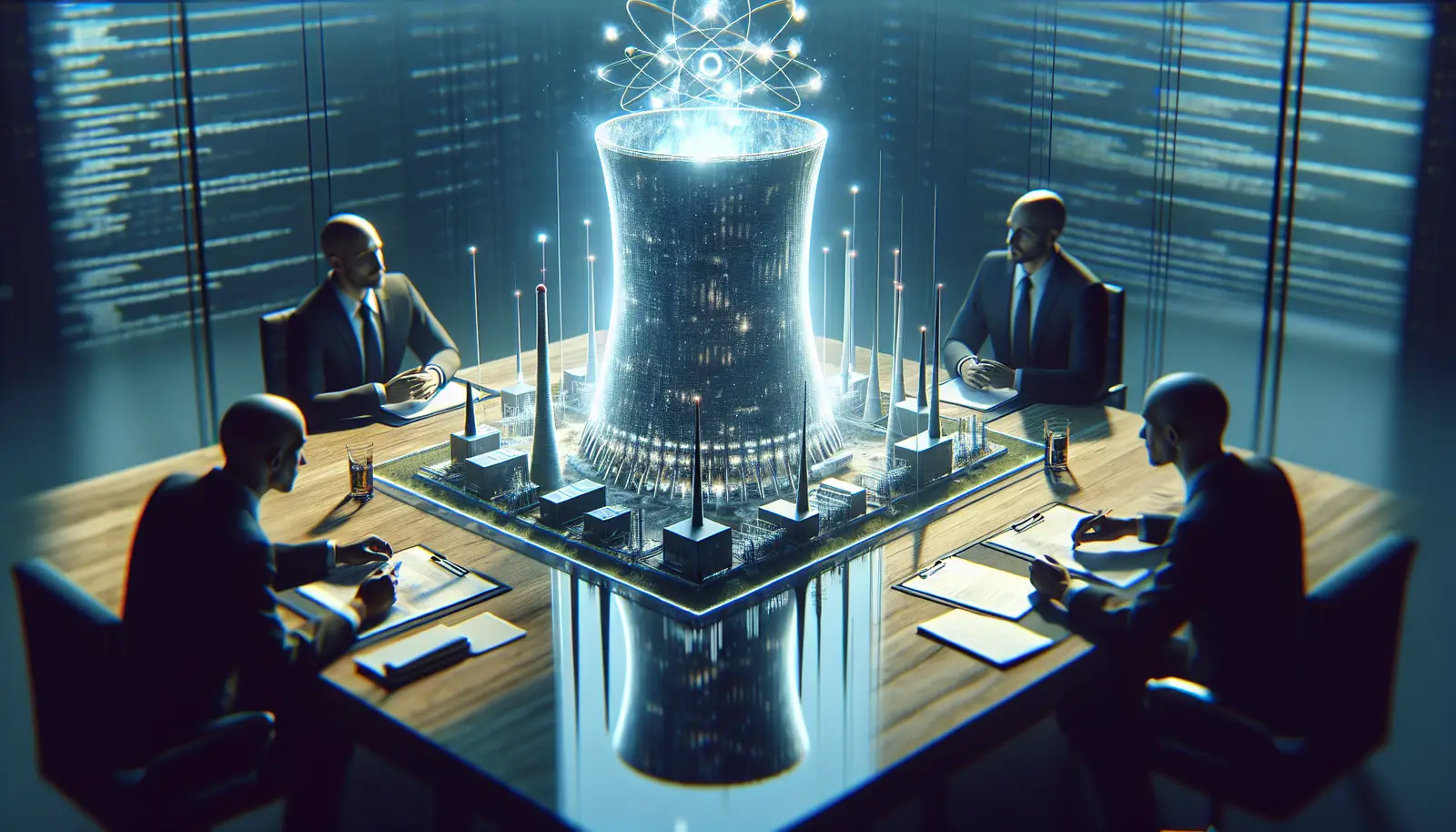
The return of nuclear startups with modular mini reactors
The nuclear sector is experiencing a revival, driven by large investments, the renewal of existing plants and growing interest in low-carbon energy solutions. New startups are focusing on producing small modular reactors, aiming to reduce costs and improve the scalability of nuclear power plants.
Benefits and expectations of mini reactors
Innovative companies believe that mass production of components can significantly cut construction and operating costs. The philosophy is to increase the number of units to meet growing energy demand, exploiting serial production techniques. However, this is still a hypothesis under scientific and technical verification, with studies under way to quantify the real benefits of this strategy.
Production and supply chain challenges
One of the main obstacles is the complexity of the production chain: many of the materials needed are no longer produced in the United States and must be imported. The lack of historical skills in American manufacturing, caused by decades of offshoring, highlights the need to bring production back onto national soil.
The impact of a shortage of capital and skills
Despite the large capital available, the lack of experience in managing industrial plants is a critical limit. Reopening factories, training specialised workers and creating an industrial ecosystem are processes that take time, often decades, to reach levels of efficiency and competitive costs.
Modular approach and progressive growth
An effective method is to adopt a modular approach, starting with reduced production volumes, to gather data and improve processes. The sustainable growth of these technologies depends on continuous analysis and the ability to learn from mistakes, through an iterative cycle that may last about a decade.
Future prospects and conclusions
The path of innovation in the nuclear sector therefore requires patience and strategic investment. Only by consolidating industrial skills, adopting modular technologies and supporting effective industrial policies will it be possible to realise the potential of mini reactors as a sustainable and competitive energy solution.
- Nuclear startups rely on serial production to bring down costs
- The lack of domestic skills is a critical limit
- The modular approach favours learning and optimisation


