
Neurons Outside the Brain: Implications for Health and Behavior
Find out how neurons located outside the brain affect our behavior and our health.
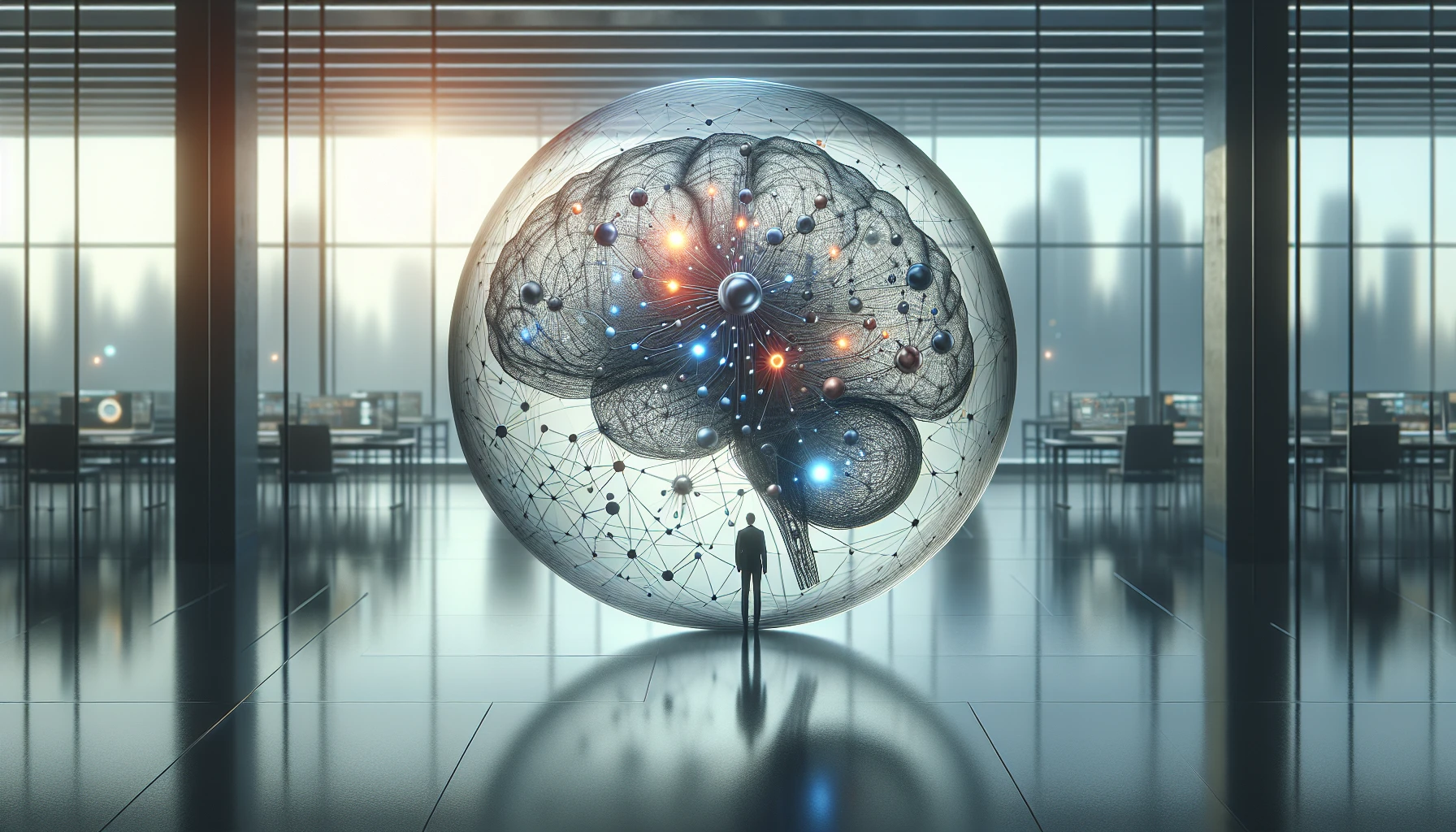
Traditionally, the brain has been seen as the exclusive control centre for bodily functions and emotions. However, recent research has revealed that the nervous system is spread throughout the body, with neurons found in organs such as the gut, the heart and the spine, which play crucial roles in regulating physiological functions and behavior.
The Enteric Nervous System: The "Second Brain"
The gut contains around 500 million neurons, a quantity comparable to that of a dog's brain. This enteric nervous system, often called the "second brain", is responsible for regulating gastrointestinal functions and can influence mood and behavior through the production of neurotransmitters such as serotonin. Studies have shown that the gut can operate autonomously, coordinating digestive activities without direct intervention from the brain. Moreover, two-way communication between gut and brain, known as the gut-brain axis, is fundamental to mental and physical health.
The Heart: A Neural Processing Centre
The heart has about 50,000 neurons, forming an intrinsic nervous system that regulates the heartbeat and responds to emotional stimuli. This "heart brain" can influence emotions and the perception of pain, suggesting a deep connection between heart and mind. Research has shown that the heart not only receives signals from the brain but also sends information that can affect brain functions, indicating two-way communication between heart and brain.
The Spinal Column: An Autonomous Processing Centre
The spinal column contains about 15 million neurons, which form a complex network responsible for spinal reflexes and automatic movements. These neurons can process information and generate motor responses without direct intervention from the brain, highlighting the autonomy of the peripheral nervous system. In addition, the spinal column plays a key role in the perception of pain, acting as a "filter" that modulates pain signals before they reach the brain.
Implications for Health and Well-Being
Understanding the role of neurons outside the brain opens new perspectives for treating disorders such as anxiety, depression and gastrointestinal disorders. Targeted interventions that influence the enteric nervous system or the heart could improve psychophysical well-being. Furthermore, awareness of how the peripheral nervous system contributes to pain perception can lead to more effective therapeutic approaches for managing chronic pain.
Conclusion
Recognizing that the nervous system is distributed throughout the body and is not limited to the central brain broadens our understanding of bodily functions and mind-body interactions. This integrated approach is essential for developing more effective and personalized treatments for a wide range of medical conditions and for promoting optimal health.
- The gut as a "second brain": The enteric nervous system autonomously regulates gastrointestinal functions and affects mood.
- The heart as a neural centre: The "heart brain" has neurons that regulate the heartbeat and respond to emotional stimuli.
- An autonomous spine: Spinal neurons process information and generate motor responses without intervention from the brain.
- New therapeutic perspectives: Understanding the peripheral nervous system opens the door to innovative treatments for psychophysical disorders and chronic pain.
- An integrated mind-body approach: Recognizing the interconnection between brain and body is fundamental to optimal health.


