Museums and the scent of eternity: relive ancient allure with the essences of the afterlife
Discover how museums are using recreated fragrances to immerse visitors in ancient Egypt, enriching the experience with the sense of smell.
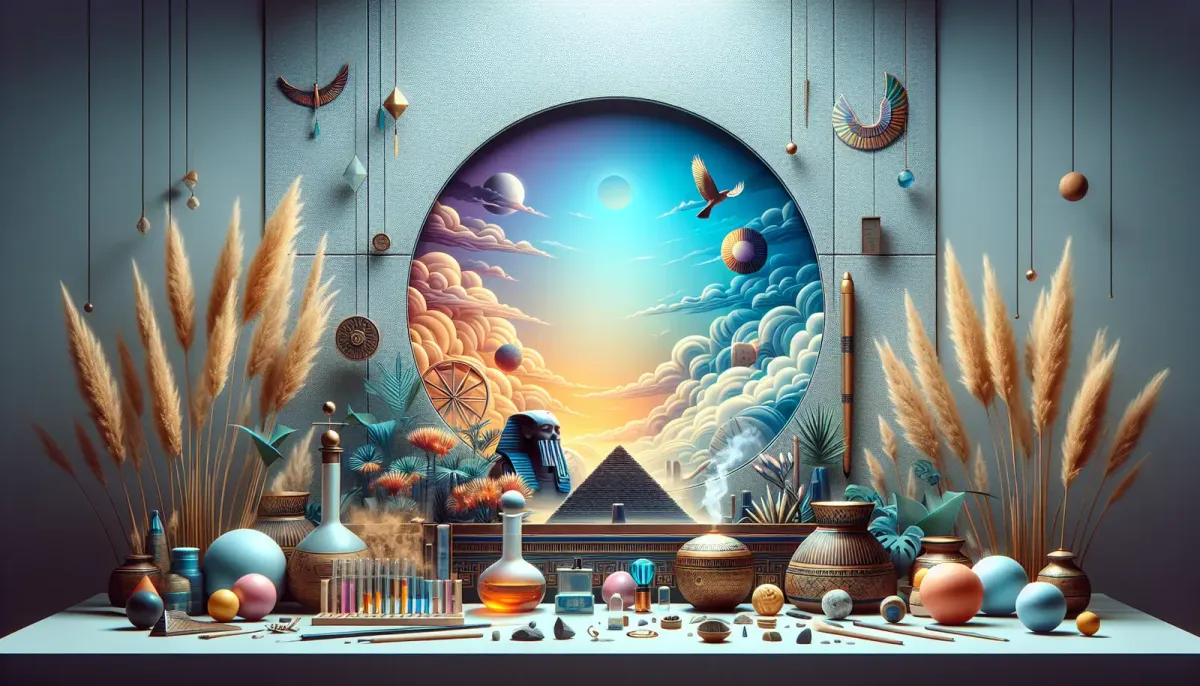
Introduction to a new sensory approach in museums
In 2026, some museum institutions have begun integrating smell into visitor experiences, using fragrances recreated through biomolecular analysis to reflect the essences of ancient Egypt. The innovation aims to enrich historical understanding by letting visitors perceive a "scent of eternity", linking events of the past with deep sensory perceptions.
Scientific analysis of Egyptian essences
Recent studies have identified organic compounds in the balms used during embalming, revealing complex recipes and non-native ingredients. Collaborations with perfumers made it possible to create aromas that olfactorily reconstruct the incense, resin and animal-oil fragrances used in funerary rituals, using advanced gas chromatography and mass spectrometry techniques.
Creating the fragrances and museum applications
The olfactory reconstruction process involved scientists and perfume artisans, resulting in fragrances delivered through portable diffusers and fixed stations set up in archaeological museums. The significance of this technique lies in its ability to evoke emotions and deeper cultural connections, enriching traditional exhibitions with sensory stimuli.
Impact on perception and education
According to curators, introducing scent has transformed the museum experience, offering visitors a new level of understanding and emotional engagement. Smell, in fact, stimulates memories and sensations that strengthen learning and the connection with ancient civilizations, building a bridge between science, history and art.
Conclusions and key takeaways
- Evocative fragrances trigger deep emotions and help people understand ancient Egyptian funerary culture.
- Collaboration between science and art is essential for an authentic and engaging historical reconstruction.
- The sensory path represents an innovative frontier in museology and historical education.