
Melania Trump Proposes Robot Educators for US Schools
Melania Trump proposes the use of robot educators to transform education in the United States.
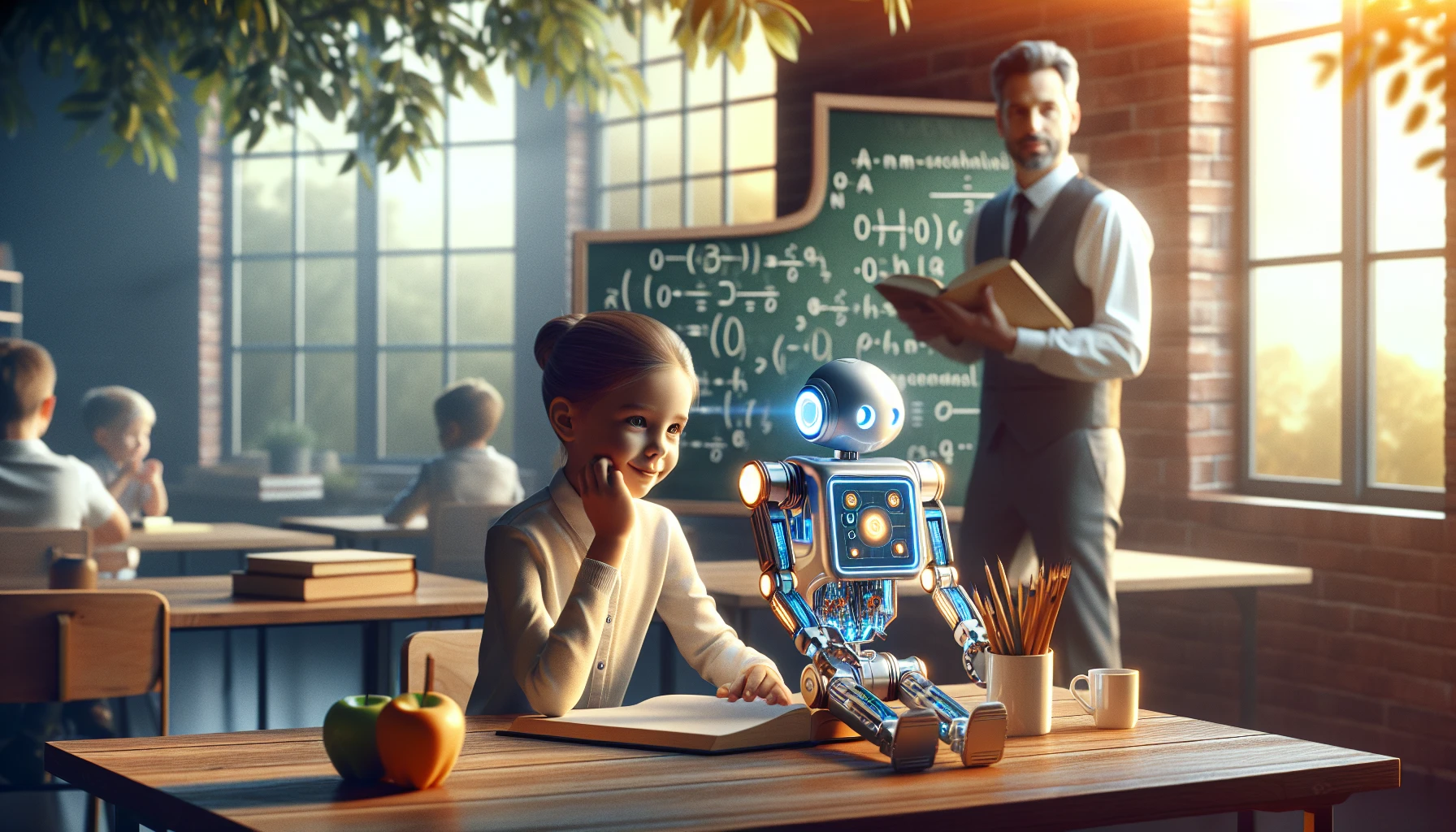
On March 25, 2026, First Lady Melania Trump presented an innovative vision for education in the United States, introducing the idea of using robot educators to personalize children's learning. At the "Fostering the Future Together Global Coalition Summit" at the White House, she described how artificial intelligence (AI) and robotics could transform education, making it more accessible and tailored to students' individual needs.
The Role of Robot Educators
Melania Trump introduced the idea of a humanoid educator called "Plato", designed to provide a personalized and always-available learning experience. This robot would be able to offer immediate access to a wide range of subjects, including literature, science, art, philosophy, mathematics and history, directly in students' homes. The goal is to develop critical thinking and independent reasoning skills in children, freeing them up for other social and extracurricular activities.
Reactions and Implications
The proposal has drawn a range of reactions. Organizations such as the National Education Association (NEA) have expressed concern about the idea of replacing human teachers with robots. NEA President Becky Pringle stressed the importance of human connection in teaching, saying that no technology can replace educators in guiding and inspiring students. The proposal also raises questions about the ethical and practical implications of integrating AI into education, including privacy and security issues and equal access to advanced technologies.
Future Outlook
Despite the challenges and controversies, Melania Trump's initiative highlights growing attention to the use of AI and robotics in education. The ongoing discussions could lead to significant developments in personalized learning and access to quality education. However, it is essential to balance technological innovation with the need to preserve human interaction and empathy in the educational process.
Takeaway
- Innovation in education: The use of robot educators represents a frontier in personalized education.
- Balance between technology and humanity: It is essential to integrate AI while keeping human teachers at the center of education.
- Ethical considerations: Adopting AI in education requires attention to privacy, security and equal access.
- Continuing dialogue: Diverse opinions fuel the debate needed for education to evolve.
- The future of education: Integrating AI could transform learning, but it must be managed with care.


