
Kentucky Family Rejects $26 Million Data Center Offer
A Kentucky family turns down a $26 million offer to turn their farm into a data center, raising questions about the environmental and social impact of data centers.
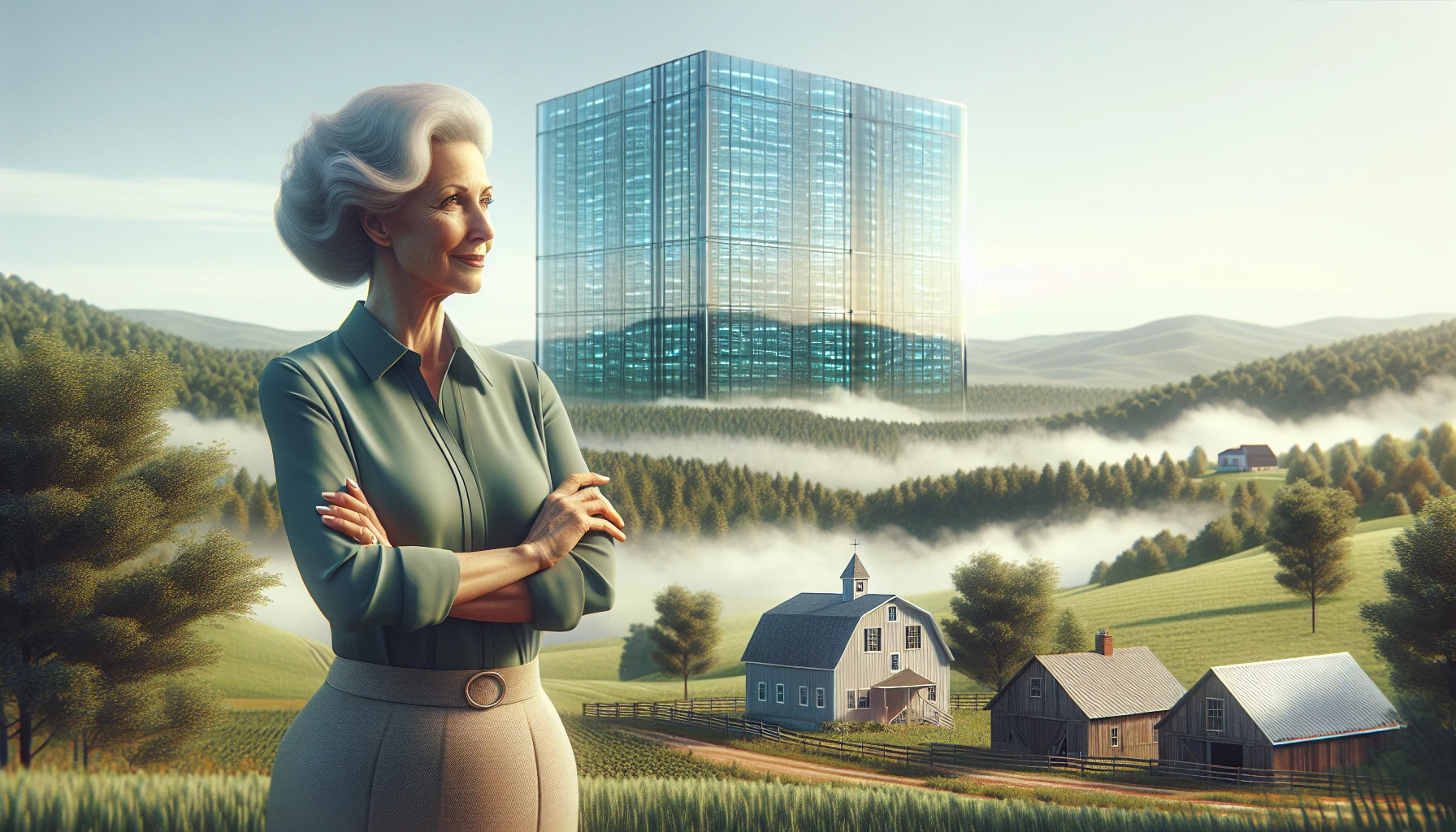
In the heart of Kentucky, a family made a decision that drew national attention: they rejected a $26 million offer from a "major artificial intelligence company" to turn their farm into a data center. This episode raises questions about the environmental, social and economic implications of data centers, especially in rural areas.
The Context of the Offer
Ida Huddleston, 82, and her daughter Delsia Bare own a 1,200-acre farm in Maysville, Kentucky. Last year, an AI company offered them $26 million to buy part of their land and build a data center. Despite the size of the offer, the family decided to decline, expressing concerns about the environmental impact and the loss of multi-generational farmland.
Environmental and Social Concerns
The family raised doubts about the environmental impact of data centers, citing problems such as water scarcity and soil contamination associated with similar facilities. They also expressed skepticism about the promised economic benefits, fearing that the jobs created would be temporary and that the local economy would not benefit significantly from the project.
Implications for the Data Center Industry
This case highlights the challenges tech companies face when acquiring land to build data centers, especially in rural areas. Environmental and social concerns can hinder such projects, forcing companies to rethink their development strategies and consider more sustainable alternatives.
Conclusion
- Community resistance: Local communities can oppose data center projects, highlighting the need for deeper dialogue between companies and residents.
- Environmental impact: Data centers can have negative effects on the environment, requiring greener technological solutions.
- Value of farmland: Protecting agricultural land is fundamental for food security and long-term sustainability.
- Corporate strategies: Companies must balance growth goals with the needs and concerns of local communities.
- Responsible innovation: It is essential to develop technologies that minimize the environmental and social impact of industrial projects.


