
Innovation and Fashion: Designers and AI Collaborate for NYFW
Explore how collaboration between designers and artificial intelligence is revolutionizing fashion shows, with a focus on NYFW and IBM technologies.
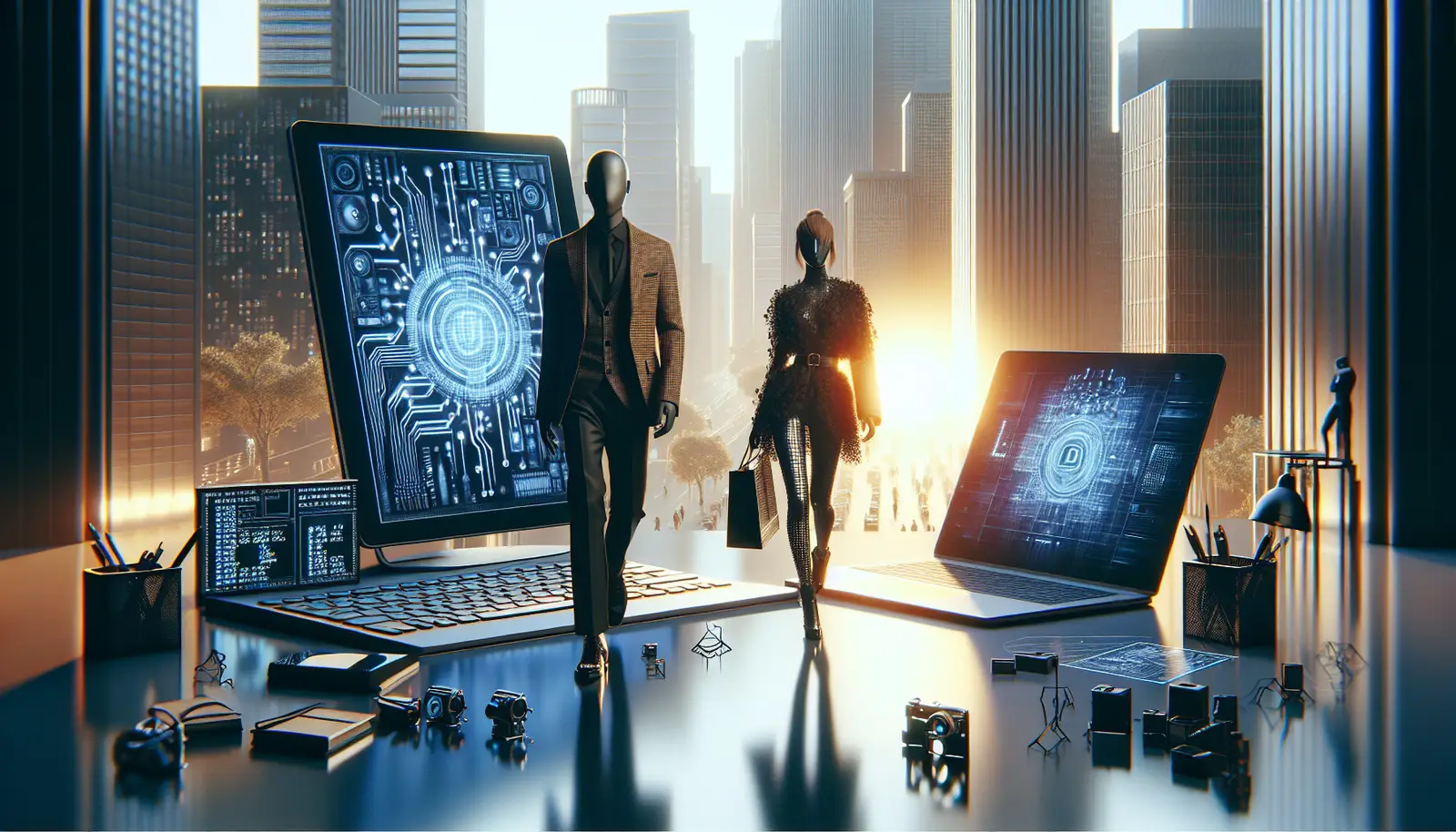
A new chapter in fashion: integrating AI into runway shows
Recently, there has been a significant evolution in how technology is integrated into the fashion world, with artificial intelligence being used to innovate presentations and interactions. A recent example is the collaboration between a well-known designer and AI companies, aimed at creating an immersive experience during a collection presentation at New York Fashion Week.
Creating a multilingual AI agent to identify and interact with garments
For this occasion, an AI agent was developed, built with advanced technology, that lets visitors identify pieces from the collection and try them on virtually. The system, built on an enterprise-grade artificial intelligence platform, uses visual recognition and real-time responses in multiple languages via voice and text commands, enriching the experience for those watching the show.
Using AI as a tool for narrative expansion
The link between fashion and technology is not limited to the presentation: the scenography and installations built into the event are designed as portals that amplify the product's story, creating an environment that stimulates curiosity and emotional engagement. The goal is to use AI not as a simple gadget, but as a means to deepen the story and the perception of the collection.
Use of IBM technology for high-level activation
The companies involved used cutting-edge tools, such as cloud computing platforms and visual recognition AI, to orchestrate complex production and interaction processes, ensuring efficiency and precision in the responses given to the audience. The biggest challenge? Orchestrating all the technology components to deliver a seamless performance.
The future of AI use in fashion
With the evolution of the sector, AI use is expected to become routine in fashion shows within a few years, contributing not only to visual storytelling but also to prototyping, visualization and production decisions. It is always important to maintain a balance between automation and the value of human creativity, to ensure authenticity and respect for the craft.
Conclusions
- Collaborations between fashion and AI are opening new prospects for storytelling and interaction.
- Visual recognition and VR technologies are revolutionizing how products are presented.
- The sector is moving toward more responsible integration of artificial intelligence, valuing the role of art and human creativity.
This trend indicates that the future of fashion will not be only digital, but deeply intertwined with technological innovation, provided attention to creative quality and professional ethics stays high.


