
Impact of Climate Change on Whale and Dolphin Migrations
Climate change is altering the migration routes of whales and dolphins, jeopardizing their survival and the balance of the marine ecosystem.
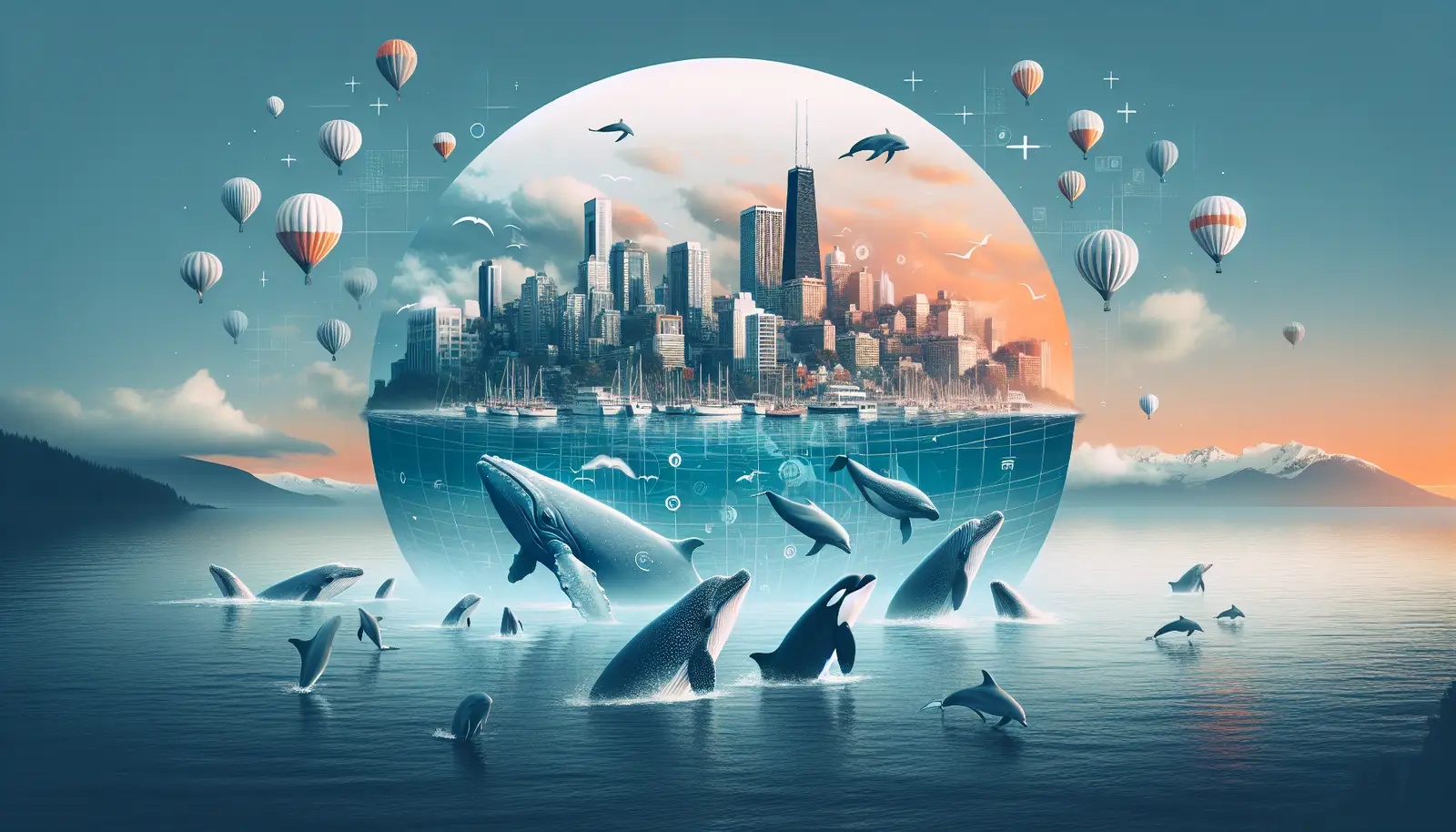
Climate change is causing profound changes in the migration patterns of whales and dolphins, putting some of the most iconic species of marine ecosystems at risk. High temperatures, ocean acidification and habitat loss are altering traditional migration routes, forcing marine animals to move toward more dangerous or more hospitable waters, often with negative consequences for their health and reproduction.
Changes in migration routes and effects on the ecosystem
Whales, including the blue whale, the sperm whale and the humpback whale, once traveled long routes between breeding grounds and feeding areas in the North Pole and in tropical waters. However, the reduction of ice caps and the release of nutrients in Arctic and Antarctic environments have disoriented these routes, causing the routes to disperse and increasing collisions with vessels and accidental catches in fishing nets.
Impact on the components of the marine ecosystem
Migrations are also essential to the life cycle of many species, such as krill, the main food source of many humpback whales and Antarctic cetaceans. The decline of ice sheets and warming oceans are reducing krill growth areas, disrupting the synchronization between whale migrations and the phytoplankton blooms that feed these species.
Responses and conservation strategies
To mitigate the effects of climate change, dynamic management measures are needed, such as real-time monitoring of whale and dolphin movements, adjustment of shipping routes and strengthening of marine protected areas. International cooperation and research innovation, using drones and satellite technologies, are fundamental tools for preserving these species and safeguarding the health of marine ecosystems.
Conclusions
- Whale and dolphin migrations are changing rapidly because of global warming.
- Changes in routes affect the health, reproduction and populations of marine species.
- Effective solutions require dynamic strategies and international cooperation.
Continuous monitoring and the creation of adaptable protection policies are essential to address this ecological emergency, protecting the wonders of our planet and marine biodiversity.


