
Humanoid Robot Wins Beijing Half Marathon, Beating the Human Record
A humanoid robot developed by Honor won the Beijing half marathon, beating the human record.
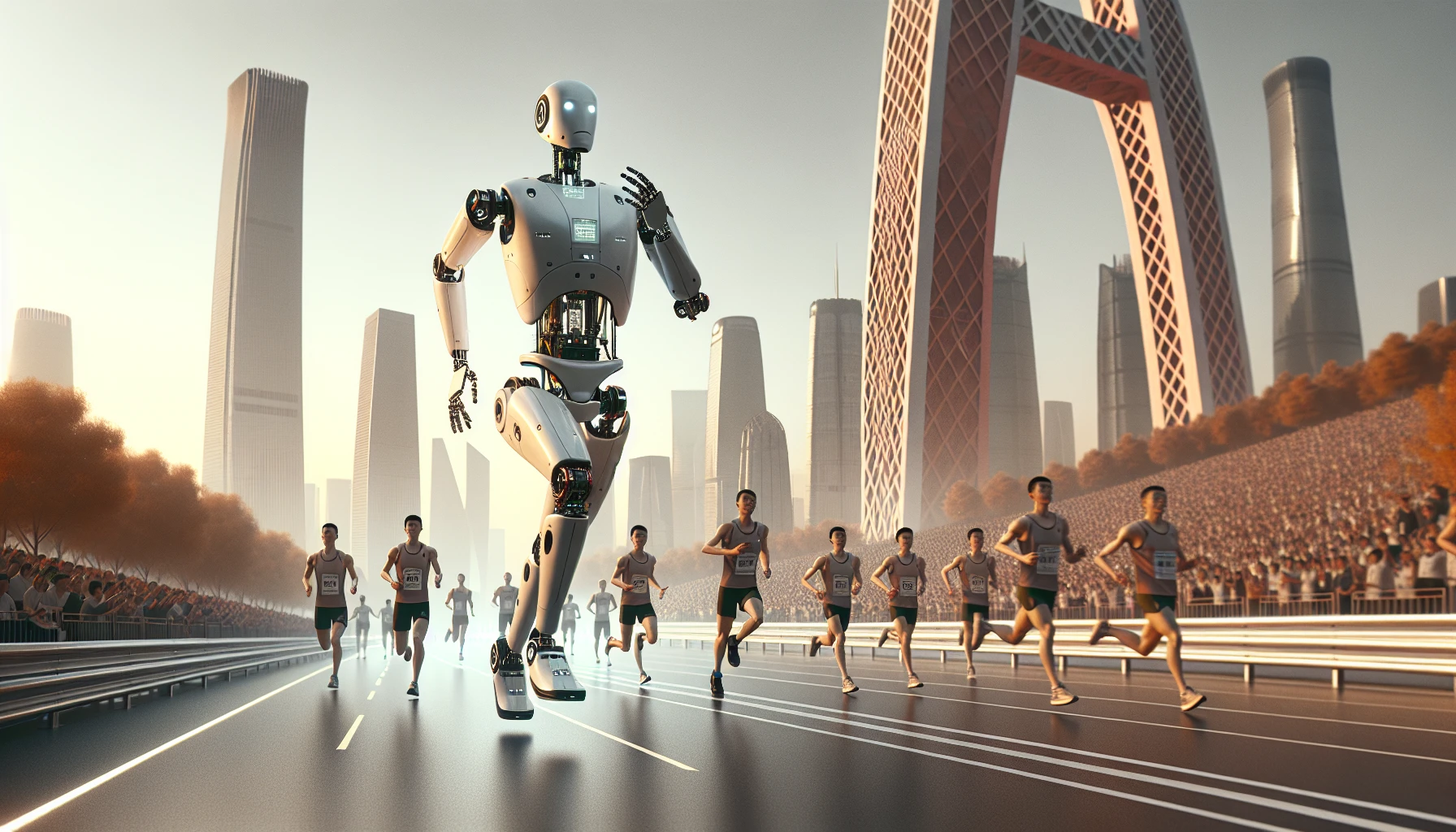
On April 19, 2026, Beijing hosted a historic event: a humanoid robot won the half marathon, completing the 21 kilometers in 50 minutes and 26 seconds, beating the human record of 57 minutes and 20 seconds held by Uganda's Jacob Kiplimo. This result marks significant progress over the previous year, when the best robot had taken more than two hours and 40 minutes to finish the race.
Race Details
The competition took place in the Yizhuang technology district, with more than 100 humanoid robots and about 12,000 human runners. The robot participants were divided into two categories: those with autonomous navigation and those controlled remotely. The winning robot, developed by Honor, operated autonomously, while another model, controlled remotely, completed the course in 48 minutes and 19 seconds, but was penalized under rules that favor autonomous systems.
Technological Implications
The event highlights rapid progress in humanoid robotics, with significant improvements in speed, stability and energy efficiency. China is investing heavily in this sector, as shown by the growing participation of local and international companies in such competitions. In addition, the use of robots in real-world settings, such as traffic management during the event, suggests potential future applications across many fields, from logistics to healthcare.
Future Outlook
The success of the robots at the Beijing half marathon could accelerate the adoption of robotic technologies in everyday settings. Future challenges include improving interaction between humans and robots, handling unforeseen situations, and integrating these technologies safely and efficiently into society.
- Technological progress: Robots are reaching performance comparable to humans in complex activities such as running.
- Strategic investment: China is investing heavily in robotics, aiming to become a leader in the sector.
- Future applications: Robots could be used across many sectors, from traffic management to healthcare.
- Human-robot interaction: Developing safe and efficient interactions between humans and robots is essential.
- Social integration: Integrating robots into society requires attention to safety, ethics and social impact.


