
The Growing Opposition of Scientists and Cultural Communities to Artificial Intelligence
Leading cultural and scientific communities are taking firm stances against generative AI technologies, highlighting ethical and intellectual property challenges.
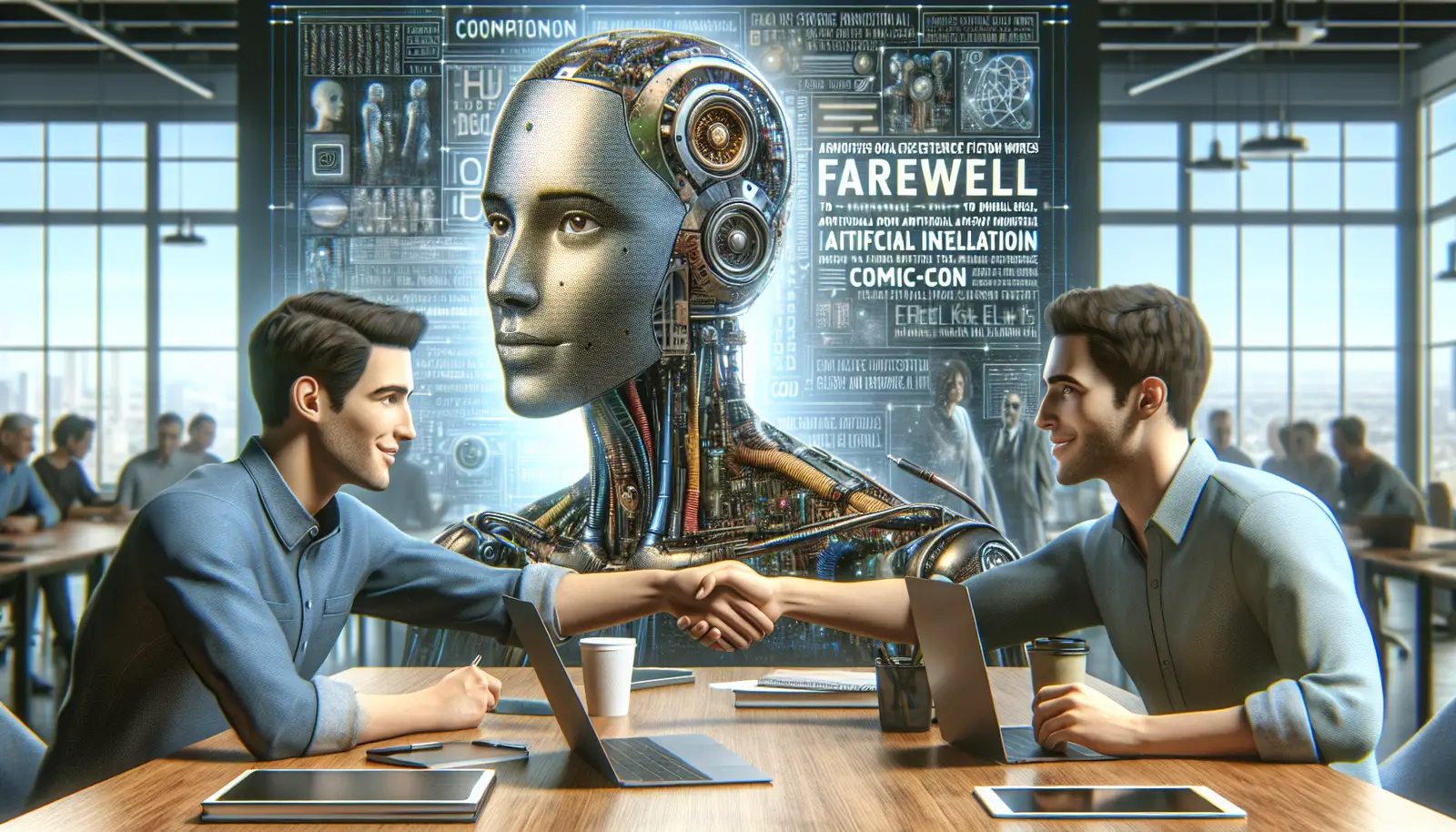
The Growing Rejection of AI by Writers, Artists and Industry Communities
In recent months, some of the most influential figures in science and popular culture have taken firmer positions against the development and use of generative artificial intelligence technologies. These stances reflect concern about the ethical, creative and economic implications of the widespread adoption of such tools.
Interventions by Creative Communities
In particular, science fiction writers' associations and major cultural events such as comic conventions are introducing restrictive rules or bans on the use of AI in submitted works. For example, some literary contests have specified that works entirely generated by large language models (LLMs) will not be eligible for awards, and that any use of such tools must be duly declared, to foster transparent and informed debate.
Reactions and Counter-Reactions
Some of these decisions have sparked mixed reactions, with complaints from authors and artists who argue that AI can still be a useful tool for support and experimentation, provided it is acknowledged and properly regulated. In response, some organisations have revised their policies, more explicitly banning works created with automated or semi-automated tools.
The Technical Picture and Future Implications
On the technical side, the issue is tied to open questions about the definition of creativity and intellectual property. The difficulty of drawing clear lines between human and automated contributions raises questions about whether such works should be rewarded.
Implications of Decisions at Major Fairs and in the Market
Decisions by bodies such as San Diego Comic-Con or the Science Fiction Writers' Association show how the cultural world is accelerating a debate that was already heated, and which could influence other creative and technological sectors. It is therefore foreseeable that the near future will bring a tighter regulatory alignment against unregulated use of AI in the creative process.
Conclusions and Points for Reflection
- Hostility towards AI from some cultural players reflects concerns about ethics, economics and artistic authenticity.
- The policies adopted are a first step towards clearer regulation that respects the complexity of defining originality and human contribution.
- Dialogue between technology, law and culture will be crucial to define a sustainable and responsible future for the use of artificial intelligence.


