
Google and Form Energy: 1.9 GW Deal for a Sustainable Data Center
Google has signed a 1.9 GW deal for a Minnesota data center, including a 100-hour battery from Form Energy.
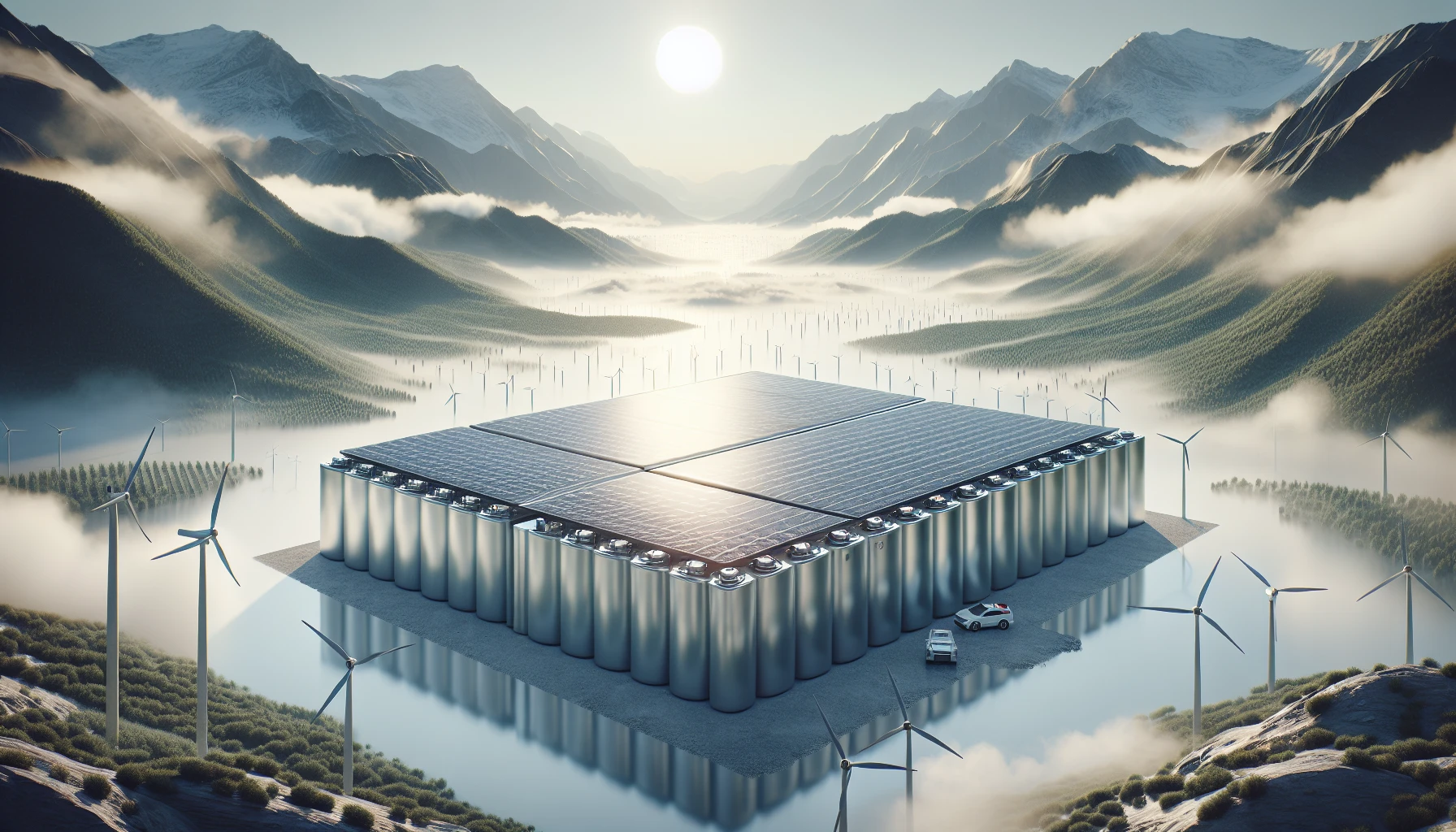
Google has recently announced the construction of a new data center in Pine Island, Minnesota, which will be powered by a combination of wind and solar energy and an innovative 300-megawatt battery produced by Form Energy. The project represents a significant step toward sustainable and reliable energy solutions for technology infrastructure.
Details of the Energy Agreement
Working with Xcel Energy, Google plans to install 1.4 gigawatts of wind power and 200 megawatts of solar power to supply the data center. These renewable sources will charge the Form Energy battery, designed to deliver continuous power for 100 hours, storing a total of 30 gigawatt-hours. This makes it the largest battery in the world by energy capacity, ensuring the data center runs continuously on clean energy.
Innovation in Energy Storage Technologies
Form Energy's batteries use a technology based on the oxidation and reduction of iron, a process that allows energy to be stored cheaply and for extended periods. Although these batteries have lower efficiency than conventional lithium-ion batteries, with a round-trip efficiency of 50-70% compared with 90% for lithium-ion, their significantly lower cost makes them ideal for large-scale applications such as Google's planned data center.
Implications for the Energy and Technology Sectors
This agreement marks an important evolution in the renewable energy and energy storage sector. The adoption of long-duration batteries such as Form Energy's could transform how energy resources are managed, enabling a continuous supply of renewable energy even when solar or wind generation is unavailable. In addition, integrating these technologies into data centers highlights technology companies' commitment to sustainability and energy efficiency.
Final Thoughts
- Technological Innovation: The use of long-duration batteries represents a significant advance in energy storage solutions, offering new opportunities for integrating renewable energy.
- Environmental Sustainability: Google's initiative contributes to reducing carbon emissions by promoting the use of clean and sustainable energy.
- Economic Impact: Investment in advanced technologies such as Form Energy's batteries could spur further developments in the renewable energy and energy storage sector, with potential long-term economic benefits.
This project not only underlines Google's commitment to innovation and sustainability, but also offers insights into future applications of advanced energy storage technologies across various industrial sectors.


