
Former Ransomware Negotiator Admits to Helping a Criminal Group
A former ransomware negotiator has admitted to helping a criminal group, increasing its profits and taking a share of the ransom.
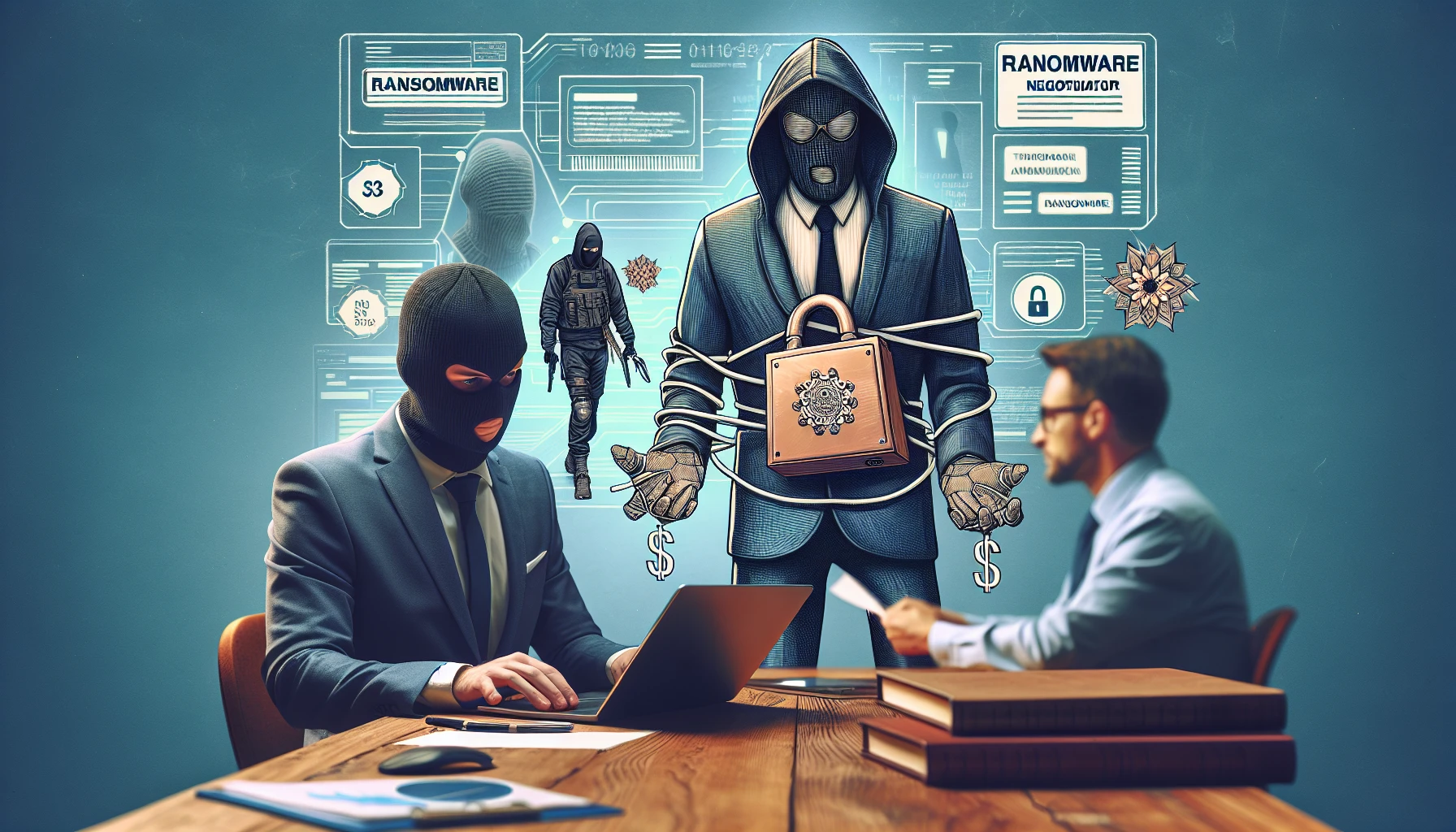
On 21 April 2026, the US Department of Justice announced the guilty plea of Angelo Martino, a former ransomware negotiator at the cybersecurity company DigitalMint. Martino admitted to assisting cybercriminals in maximising profits from ransomware attacks, taking a share of the ransom. This case highlights a growing concern about trust in the professionals involved in handling cyber incidents.
Martino's Role and the Legal Implications
Martino admitted to acting as an intermediary between victims and the operators of the ALPHV/BlackCat ransomware, providing confidential information such as the limits of victims' insurance policies and their negotiation strategies. This conduct undermined the trust placed in cybersecurity firms and raised questions about the need for stricter and more transparent controls in the sector.
ALPHV/BlackCat: A Ransomware-as-a-Service Model
The ALPHV/BlackCat group operates under a ransomware-as-a-service model, developing and maintaining the file-locking malware, while affiliates deploy it in cyberattacks and return a share of the profits to the developers. This model has made ransomware more accessible and dangerous, increasing the need for a coordinated response between cybersecurity companies and law enforcement.
Similar Precedents and Emerging Trends
This case is not isolated. In 2025, two other DigitalMint employees, Kevin Tyler Martin and Ryan Clifford Goldberg, were charged with helping the same ransomware group, highlighting a worrying trend of insiders betraying the trust of their employers and clients. These events underline the importance of continuous vigilance and stronger internal security measures.
Conclusion: A Lesson for the Cybersecurity Sector
Martino's case serves as a warning for the entire cybersecurity sector. It is essential to implement effective internal controls, promote a culture of integrity and transparency, and work closely with the authorities to prevent and respond to internal and external threats. Only through collective commitment and constant vigilance can organisations be effectively protected from growing cyber threats.
- Stronger Internal Controls: Implement more rigorous security measures to prevent unauthorised access and suspicious activity.
- Culture of Integrity: Promote a working environment based on transparency and professional ethics.
- Collaboration with Authorities: Establish effective communication channels with law enforcement for a rapid response to threats.
- Ongoing Training: Offer regular training programmes to raise employees' awareness of cybersecurity risks and best practices.
- Constant Monitoring: Use advanced tools to monitor internal activity and identify anomalous behaviour in a timely manner.


