
The first major 160 million dollar order for Arc's electric barges
The adoption of hybrid-electric barges marks a watershed in the maritime sector, promoting sustainability and lower emissions.
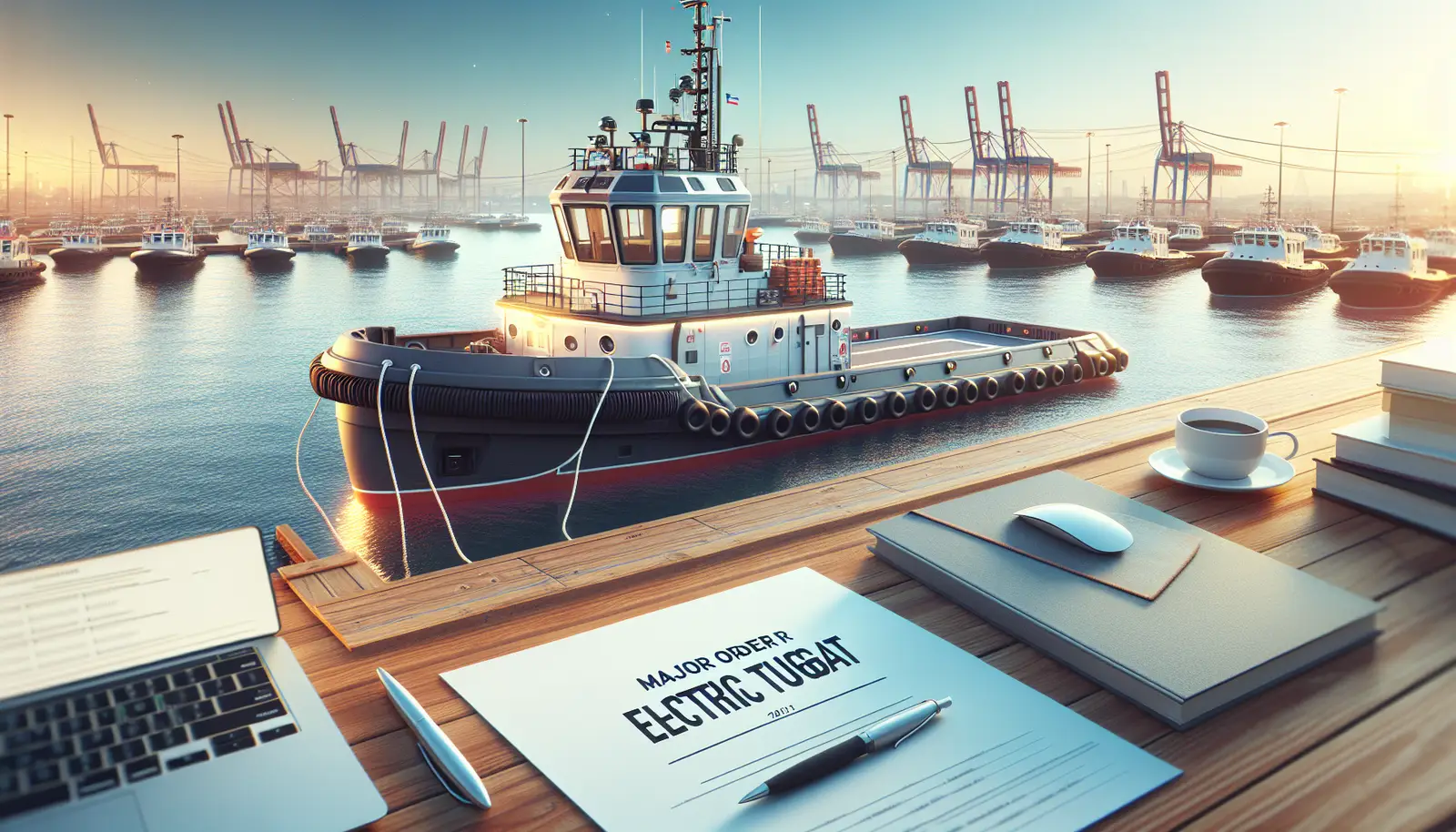
A step forward in the maritime electric revolution
A major new bet shows how the electrification of commercial vessels is becoming an increasingly concrete and advantageous reality. An innovative company has signed a contract worth 160 million dollars with a leading maritime operator to build eight ship support barges, intended to modernize operations in the largest ports.
Project details and technologies involved
The new barges will be equipped with hybrid electric propulsion systems, with a total installed battery capacity of over 6 MWh to power highly efficient motors. These vessels are designed to assist large cargo ships in moving around inside ports, significantly reducing air pollutant emissions compared with traditional diesel engines.
Environmental and economic implications
The use of these hybrid barges comes with growing attention to sustainability and the reduction of greenhouse gas emissions, a matter of great importance at a time when environmental regulations are increasingly strict. From an economic standpoint, the investment is a strategic step for shipping companies, thanks to lower operating and maintenance costs and greater equipment reliability.
Advantages of the hybrid approach and future challenges
The hybrid system optimizes the use of energy, also relying on small diesel generators as backup, to ensure operational continuity without relaxing environmental standards. The simplified engine design and the elimination of large exhaust stacks improve visibility and safety on board, as well as freeing up vital space for onboard systems and holds.
Conclusions and future prospects
This order signals a turning point for the maritime sector, which is increasingly moving toward sustainable solutions that are also economically competitive. The new barges are expected to enter service in 2027 and represent both a challenge and an opportunity for the entire maritime economy to reduce its environmental impact while maintaining high standards of efficiency and safety.
- Significant reduction in NOx, SOx and particulate emissions
- Greater efficiency in consumption and running costs
- Compatibility with future environmental regulations


