
Farmers Reject Million-Dollar Offers to Sell Land to Data Centers
Data center developers underestimated farmers' attachment to their land, finding that million-dollar offers are not enough to persuade them to sell.
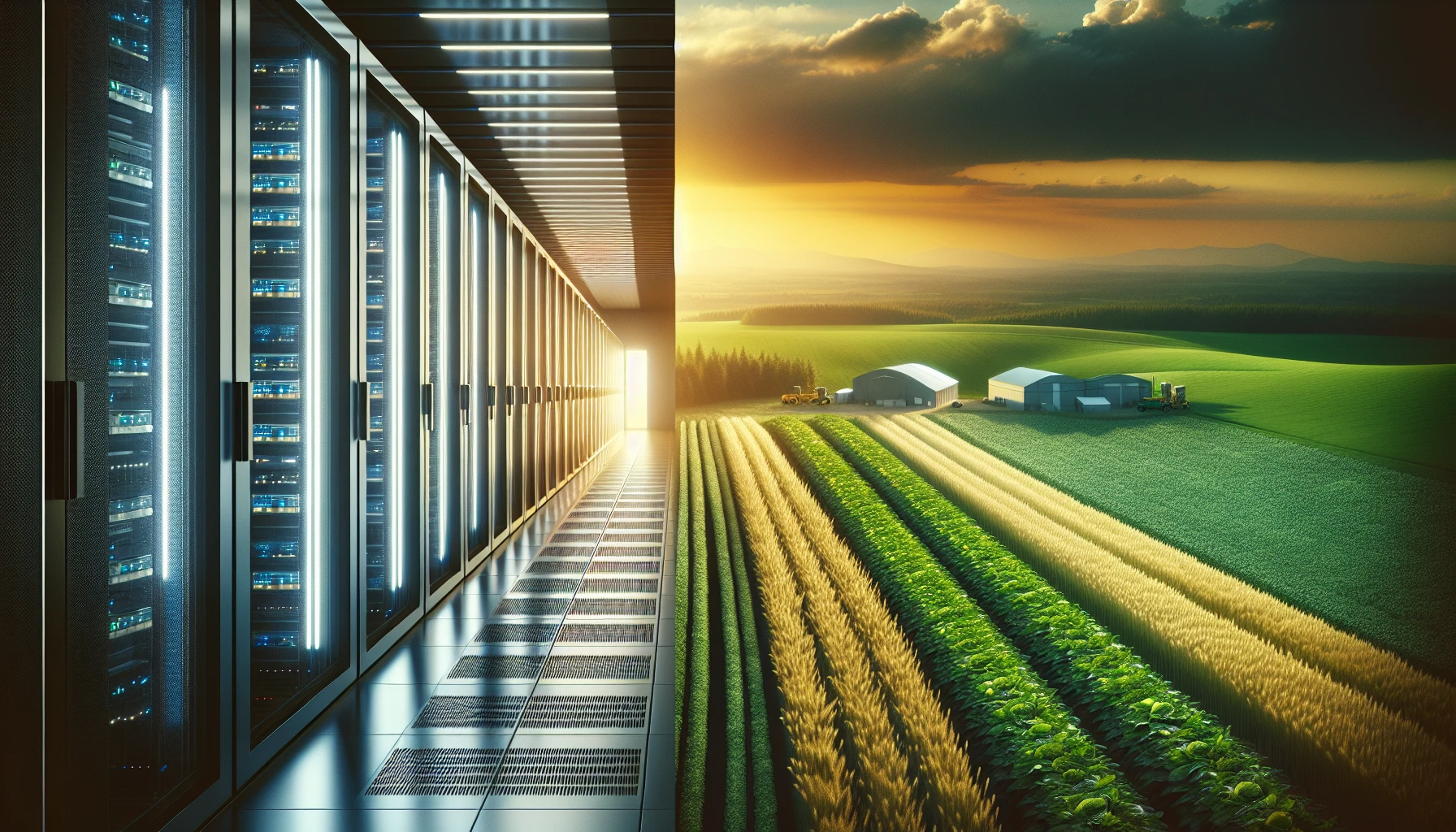
In the United States, the expansion of AI-powered data centers is meeting unexpected resistance from farmers, who are turning down million-dollar offers to sell their land. This phenomenon raises questions about the dynamics between technology and agriculture, and about the implications for rural communities.
The Conflict Between Technology and Farming Tradition
As demand for AI computing capacity grows, technology companies are looking for farmland on which to build data centers. However, many farmers are reluctant to give up their land, despite tempting financial offers. For example, a family in Kentucky turned down a $26 million offer for 600 acres of land, preferring to keep the family's farming tradition alive.
Implications for Rural Communities
This resistance highlights concerns about the environmental and social impact of data centers. Farmers fear that building these facilities could alter the local ecosystem, consume water resources and affect soil quality. There is also concern that the industrialization of farmland could threaten food security and the cultural identity of rural communities.
Reactions from Authorities and Technology Companies
Local authorities and technology companies are facing challenges in balancing technological development with the preservation of farmland. In some cases, authorities have sought to encourage the sale of farmland for data center projects, while technology companies are considering alternatives to secure suitable land without compromising local communities.
Conclusion
Farmers' refusal to sell their land for data center construction underlines the need for deeper dialogue between the technology sector and farming communities. It is essential to find a balance that allows technological innovation without compromising agricultural traditions and the sustainability of rural communities.
- Farmer resistance: Despite million-dollar offers, many refuse to sell their land for data centers.
- Environmental and social implications: Concerns about the impact of data centers on local ecosystems and rural communities.
- Balancing development and tradition: The need to find a balance between technological innovation and farmland preservation.


