
Economic Challenges of Artificial Intelligence: A Necessary Reflection
The evolution of AI is challenging traditional economic models, raising questions about sustainability, the distribution of benefits and impacts on the labor market.
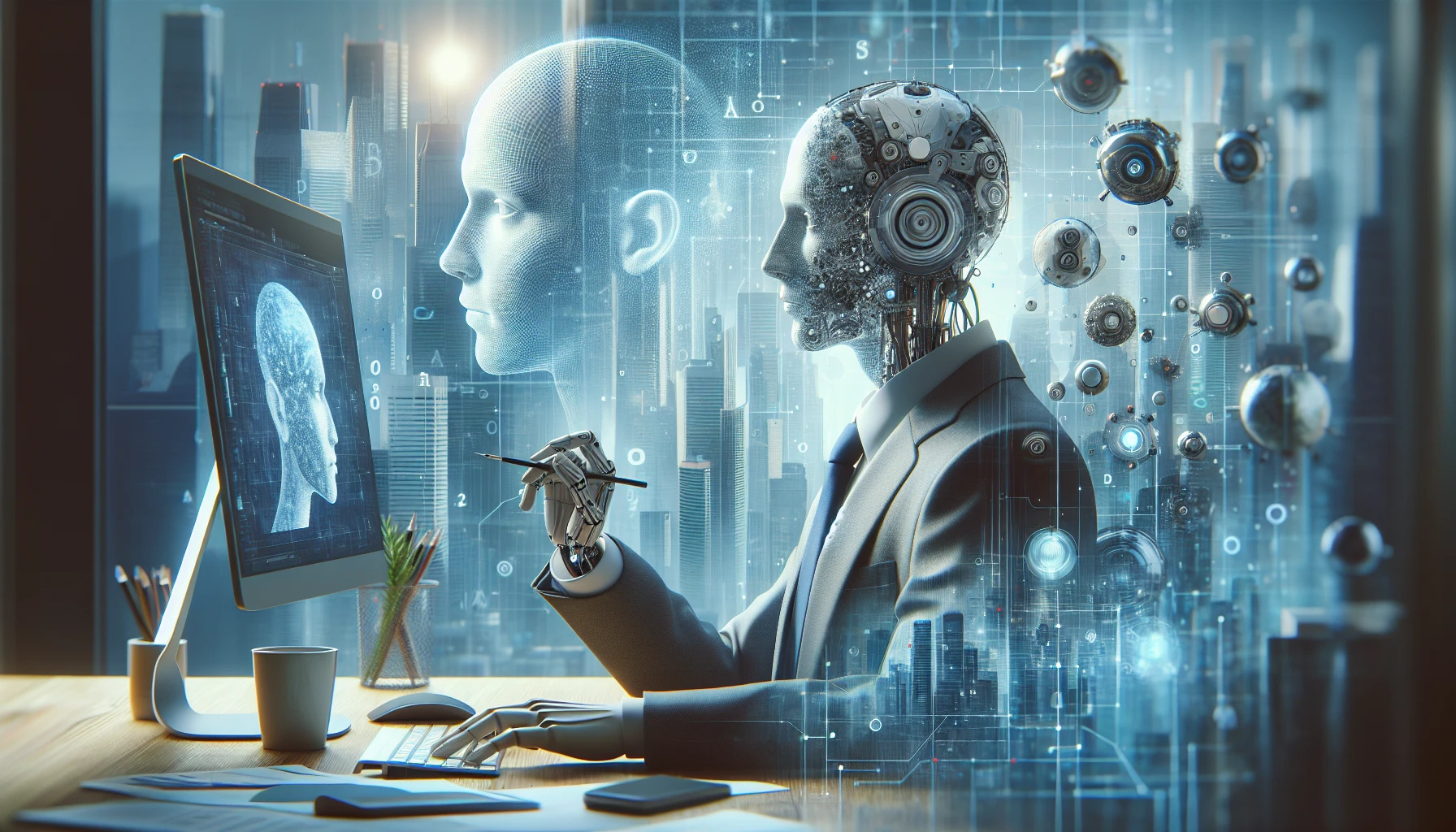
Artificial intelligence (AI) is rapidly transforming the global economic landscape, but this progress raises fundamental questions about the sustainability of current economic models. The emerging challenges concern the distribution of benefits, the impact on the labor market and the resilience of traditional economic infrastructure.
Traditional Economic Models and AI
Conventional economic models rest on principles that AI is calling into question. Advanced automation and more efficient production processes can reduce costs, but at the same time they can increase unemployment and widen wage inequalities. In addition, the widespread adoption of AI requires a review of tax policies and welfare strategies to address the new employment dynamics.
Impact on the Labor Market
Contrary to predictions of rapid replacement of workers by AI, recent studies suggest a more gradual transition. According to MIT research, AI could handle about 50% of text-based tasks at an acceptable level by 2024, rising to 65% in 2025. This indicates that AI adoption will happen incrementally, allowing workers to adapt progressively. However, the need for retraining and access to educational opportunities remain crucial challenges for ensuring a fair transition. (axios.com)
Resilience of Economic Infrastructure
The rapid growth of AI has exposed vulnerabilities in global economic infrastructure. Geopolitical events, such as international conflicts, can disrupt the supply chains that are critical to producing essential technology components. For example, the war in Iran has threatened access to materials such as helium, which is essential for chip production. This has highlighted the fragility of supply networks and the need for mitigation strategies to ensure operational continuity. (axios.com)
Conclusion
- Reassessing Economic Models: It is essential to review traditional economic models to integrate AI sustainably, addressing the challenges of unemployment and inequality.
- Adapting the Labor Market: The transition to an AI-based economy requires retraining programs and active labor policies to support workers through the adjustment process.
- Strengthening Economic Infrastructure: It is vital to build resilient economic infrastructure that can withstand geopolitical disruptions and ensure the continuity of business operations.


