
Cyberattack Compromises Iranian Prayer App During US Airstrikes
A cyberattack compromised an Iranian prayer app, flooding users with anti-government messages during US airstrikes.
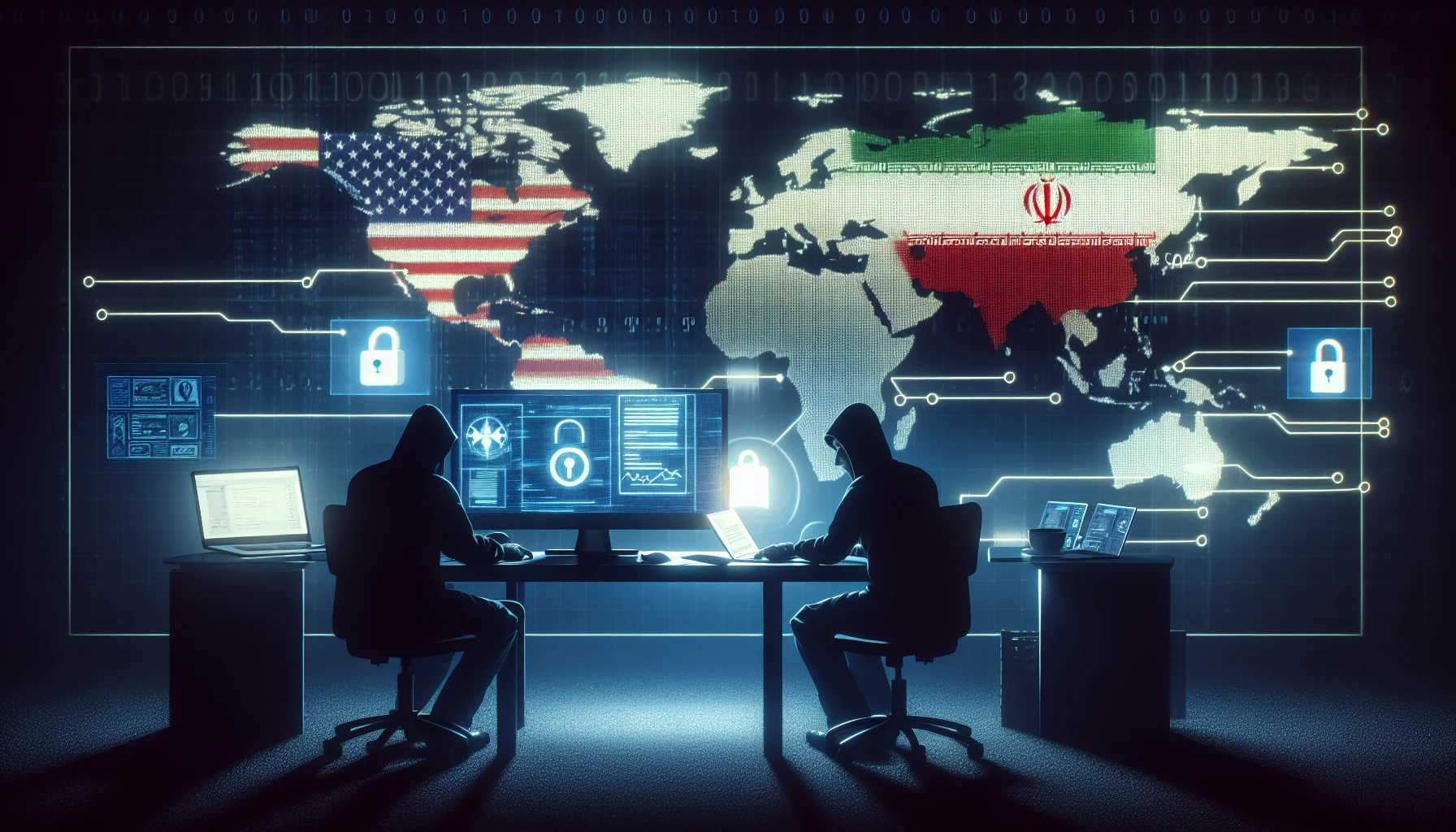
On February 28, 2026, as a series of US and Israeli airstrikes hit major Iranian cities, including Tehran, a very popular prayer app in Iran was compromised. The app, called BadeSaba Calendar, which has more than 5 million downloads, sent users notifications containing anti-government messages, including calls to rise up against government forces and promises of amnesty for those who joined the liberation forces. The messages included statements such as "Patriots, keep protesting" and "Soldiers, lay down your arms." It is unclear who is responsible for the attack, although some sources suggest it may have been carried out by Israeli state actors. This cyberattack takes place against a backdrop of rising geopolitical tension and cyber conflict between the United States, Israel and Iran. Furthermore, Iran has suffered a significant internet outage, with connectivity reduced to about 1% of normal levels, making independent verification of information and access to outside sources difficult. This scenario highlights the importance of cybersecurity and cyber operations as strategic tools in modern international conflict. The implications of such attacks are many, including the possibility of influencing public opinion, destabilizing the government and compromising critical infrastructure. Moreover, the use of popular apps as vectors for political messages underscores the growing sophistication of cyber operations and the need for constant vigilance in protecting the digital platforms that people use every day. In response to these events, Iran is likely to strengthen its cyber defense capabilities and develop countermeasures to protect its infrastructure and communications. Additionally, the international community will have to address the challenges posed by cyber warfare and its implications for global security and political stability. In conclusion, the attack on the BadeSaba Calendar app is a significant example of how cyber operations can be used to influence geopolitical events and interact with civil society. Organizations and individuals must be aware of the risks associated with using digital platforms and take appropriate measures to protect their information and communications. Furthermore, it is essential to promote international cooperation in the fight against cyber threats and to ensure a safe and reliable digital environment for everyone.


