
Crusoe Boosts Its Data Centers with New Energy Storage Solutions
Crusoe, a data center developer, has acquired batteries from Form Energy and Redwood Materials to expand its energy storage capacity.
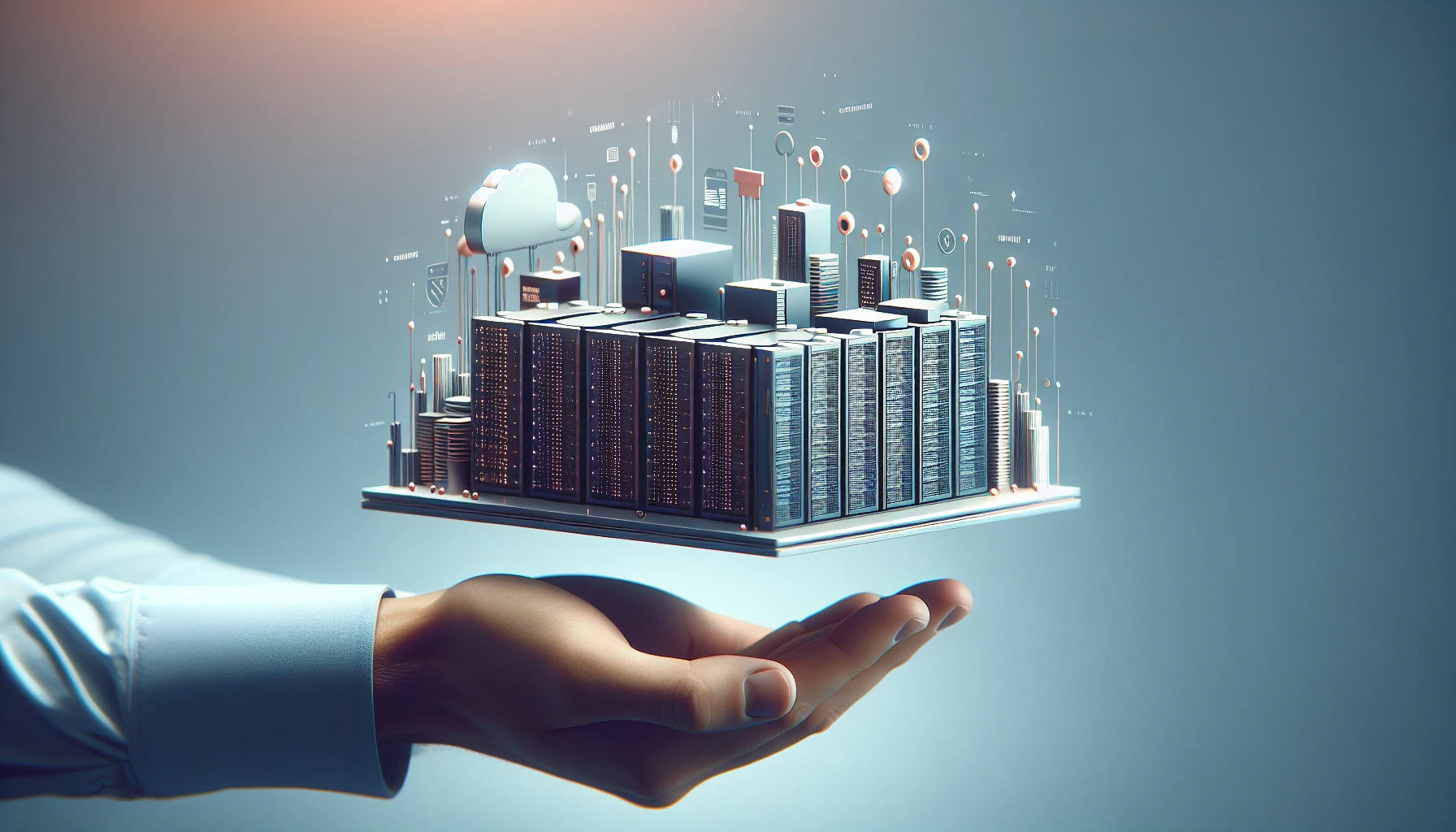
Crusoe, a data center developer, is expanding its energy storage capacity by purchasing batteries from Form Energy and Redwood Materials. These strategic agreements aim to meet the growing energy needs of data centers, particularly those dedicated to artificial intelligence (AI), while ensuring a reliable and sustainable energy supply.
Agreement with Form Energy for 12 GWh of Iron-Air Batteries
On March 24, 2026, Crusoe announced an agreement with Form Energy for the supply of 12 gigawatt-hours (GWh) of long-duration energy storage systems, using iron-air battery technology. These batteries are designed to deliver energy over extended periods, making them ideal for the needs of AI data centers that require a continuous and reliable energy supply. Battery production will take place at Form Energy's facility in Weirton, West Virginia, with deliveries expected starting in 2027. This agreement represents a significant part of Crusoe's commitment to securing autonomous and scalable energy capacity for its AI infrastructure. (crusoe.ai)
Expansion of the Partnership with Redwood Materials
In addition to the Form Energy agreement, Crusoe has expanded its collaboration with Redwood Materials, a company specializing in battery recycling and reuse. After the successful first installation of a 12-megawatt, 63-megawatt-hour microgrid, which reached 99.2% operational reliability over seven months of continuous operation, the two companies decided to extend the project. The expansion adds 20 more Crusoe Spark modular data centers, increasing computing capacity by nearly seven times compared with the original installation. This development underscores the effectiveness of long-duration energy storage solutions in supporting the expansion of AI infrastructure. (crusoe.ai)
Implications for the Data Center and AI Sector
These developments highlight a growing trend in the data center sector, particularly among AI-dedicated facilities, to invest in advanced energy storage solutions to ensure a reliable and sustainable energy supply. Adopting long-duration batteries, such as iron-air batteries, and using second-life batteries to build microgrids offer significant advantages in terms of cost and operational reliability. Moreover, Crusoe's approach of developing and securing energy capacity alongside its computing infrastructure, known as "Bring Your Own Capacity" (BYOC), represents an innovative model for addressing the energy challenges associated with the expansion of AI applications. (publicpower.org)
Conclusion
Crusoe's recent battery acquisitions from Form Energy and Redwood Materials mark a significant step toward energy self-sufficiency and sustainability in the AI-dedicated data center sector. These agreements not only meet immediate energy needs but also lay the groundwork for a more resilient and scalable energy infrastructure model, capable of supporting the exponential growth of AI applications in the coming years.
- Energy self-sufficiency: Crusoe is investing in energy storage solutions to reduce its reliance on the traditional power grid.
- Technological innovation: The adoption of iron-air batteries and microgrids with second-life batteries represents an advance in energy storage technologies.
- BYOC model: Crusoe's "Bring Your Own Capacity" approach offers a scalable model for AI infrastructure.
- Operational reliability: The implemented solutions have demonstrated high levels of operational availability, ensuring continuity of services.
- Sustainability: The use of second-life batteries contributes to reducing the environmental impact associated with battery disposal.


