
Competition for Talent in Autonomous Vehicles: Challenges and Strategies
Growing competition for talent in the autonomous vehicle sector is pushing companies to offer higher salaries and better conditions.
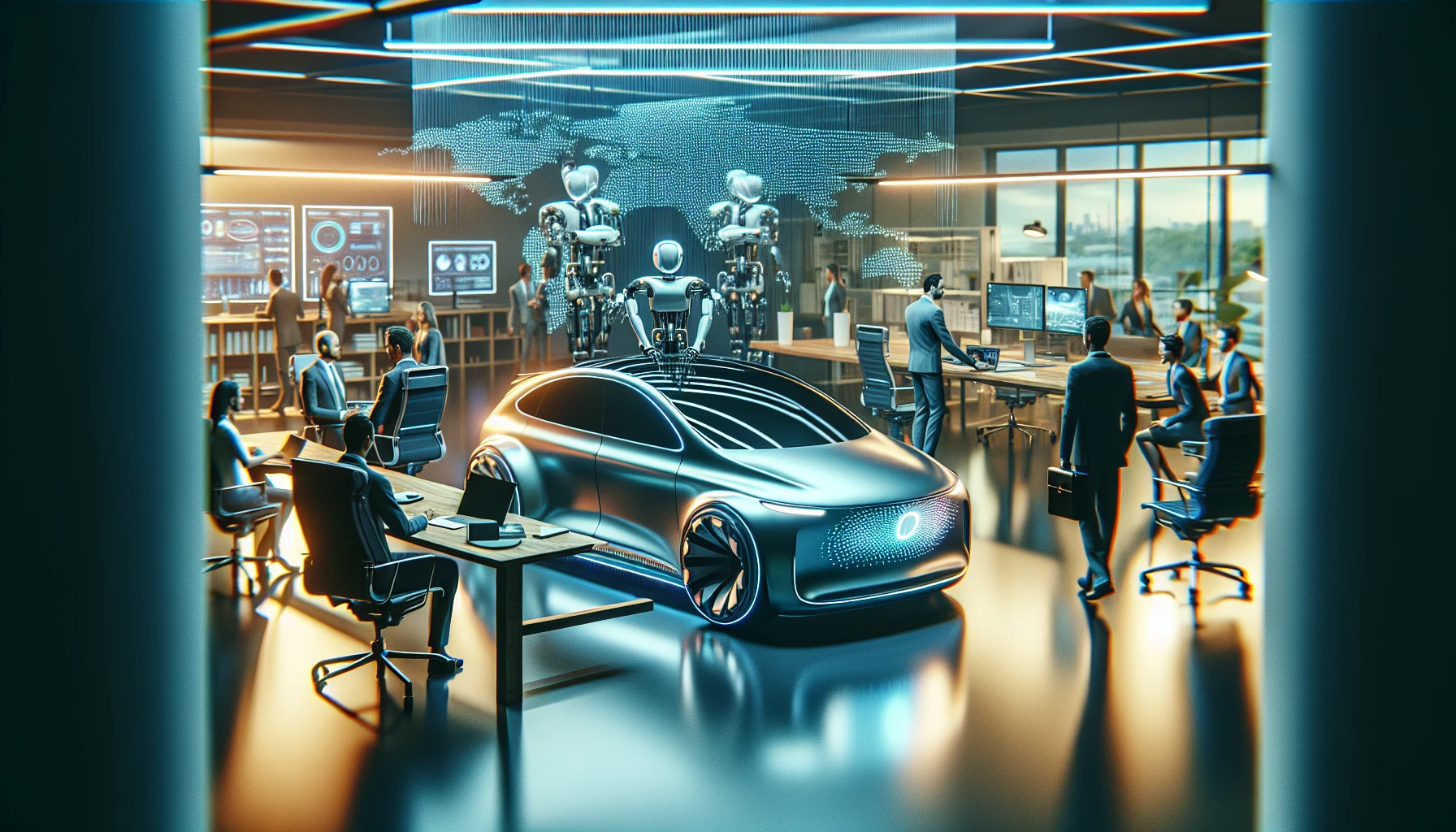
The autonomous vehicle sector is experiencing growing competition to attract and retain highly qualified professionals. Companies such as Waymo, Tesla and Volkswagen are facing a war for talent, with base salaries reaching between $300,000 and $500,000, excluding equity and other benefits. The phenomenon is fueled by demand for specific skills in integrating AI and hardware, which are essential to the development of robotaxis and autonomous vehicles.
Factors Fueling the Competition for Talent
The growing demand for autonomous vehicles has pushed not only traditional carmakers but also startups in the defense and robotics sectors to look for professionals with AI and robotics skills. These sectors offer competitive salaries, attracting talent away from companies focused exclusively on autonomous vehicles. In addition, the need to integrate AI into complex hardware, such as humanoid robots and industrial vehicles, has increased demand for professionals with cross-disciplinary skills.
Implications for Companies in the Autonomous Vehicle Sector
Companies focused exclusively on autonomous vehicles, such as Waymo, face fierce competition to keep their engineering teams. This situation forces them to rethink their compensation strategies and offer more attractive working conditions to retain talent. In addition, the growing demand for professionals with AI and robotics skills has led companies to invest in training and development programs to close the existing skills gap.
Strategies for Attracting and Retaining Talent
To address the competition for talent, companies in the autonomous vehicle sector are adopting several strategies. These include competitive salaries, equity programs, professional growth opportunities and a stimulating work environment. Some companies are also partnering with research institutes and universities to train the next generation of professionals in the sector. Transparency in hiring practices and the promotion of an inclusive culture have also become priorities for attracting diverse talent.
Conclusion
Competition for talent in the autonomous vehicle sector is set to intensify in the coming years. Companies that can adapt to this new landscape, offering attractive working conditions and growth opportunities, will be better placed to attract and retain the most qualified professionals. It is essential that companies invest in their human resources and develop effective strategies to meet this challenge.
- Required skills: AI, robotics, hardware-software integration.
- Competing sectors: Automotive, defense, robotics.
- Effective strategies: Competitive salaries, training programs, inclusive culture.


