
ChatGPT Images 2.0: Revolution in Image and Text Generation
Discover how OpenAI's new ChatGPT Images 2.0 model is revolutionising image and text generation.
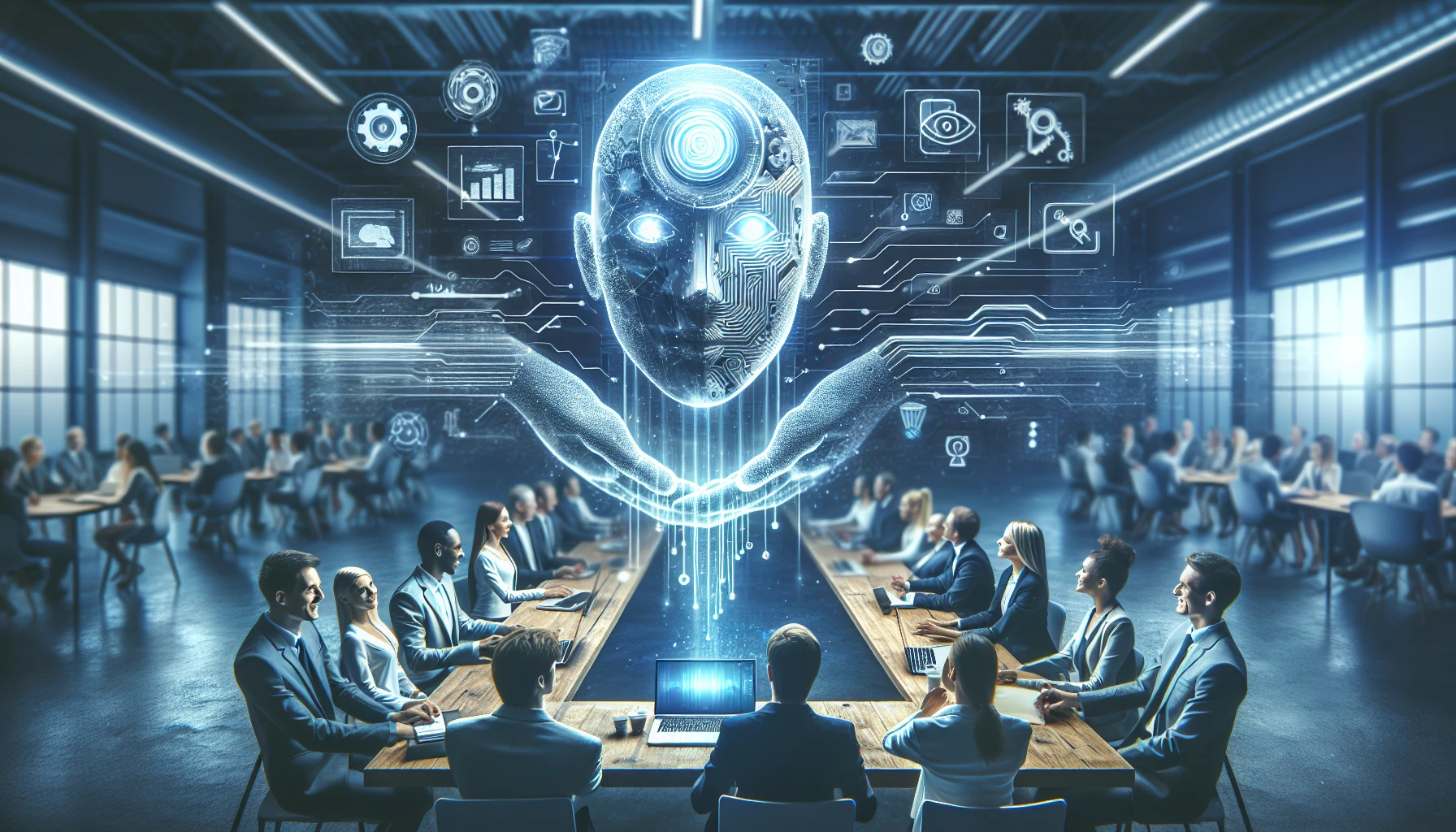
OpenAI has recently introduced ChatGPT Images 2.0, an advanced image generation model that marks significant progress in the capabilities of artificial intelligence. This model not only improves the quality of the images generated, but also surprisingly excels at generating text within the images themselves.
Main innovations in ChatGPT Images 2.0
Compared with earlier versions, ChatGPT Images 2.0 offers a series of key improvements:
- Support for various aspect ratios: The model can now generate images in different proportions, better suited to users' specific needs.
- "Thinking" mode with built-in reasoning: This feature allows the model to run web searches, create several images from a single prompt and check its own creations, improving the consistency and accuracy of the results.
- Advanced understanding of non-Latin text: ChatGPT Images 2.0 has improved its ability to generate text in languages such as Japanese, Korean, Hindi and Bengali, tackling one of the earlier challenges in multilingual text generation.
Implications for text generation in images
One of the most striking surprises of ChatGPT Images 2.0 is its ability to generate text inside images. In the past, image generation models often struggled with text accuracy, producing obvious errors. With the new model, it is possible to obtain images with accurate and consistent text, making it useful for applications such as creating menus, flyers and other marketing materials.
Professional applications and potential market impact
The advanced capabilities of ChatGPT Images 2.0 make it suitable for a wide range of professional applications:
- Marketing content creation: Companies can use the model to quickly generate customised promotional materials, reducing production times and increasing efficiency.
- Graphic design: Designers can use the model to create mock-ups and prototypes, exploring new ideas and concepts more quickly.
- Education and training: Educators can use the model to create visual teaching materials, improving student engagement and understanding.
This evolution in image and text generation capabilities could also affect the labour market, with growing demand for professionals able to integrate AI into creative and production processes.
Final considerations
ChatGPT Images 2.0 represents a significant step in the evolution of artificial intelligence applied to the generation of visual and textual content. Its advanced capabilities offer new opportunities for professionals and companies, but also raise ethical and practical questions about the responsible use of these technologies. It is essential to monitor the adoption of such tools carefully and continually assess their impact on society and the economy.
- Technological innovation: ChatGPT Images 2.0 introduces advanced features that improve the quality and versatility of the images generated.
- Professional implications: The new capabilities offer opportunities in marketing, design and education, but require careful management of human resources.
- Ethical considerations: Responsible use of AI in content generation is essential to prevent disinformation and misuse of emerging technologies.


