
Caterpillar Acquires Monarch Tractor: The End of an Autonomous Electric Tractor Startup
Caterpillar's acquisition of Monarch Tractor marks the end of a promising startup in the autonomous electric tractor sector.
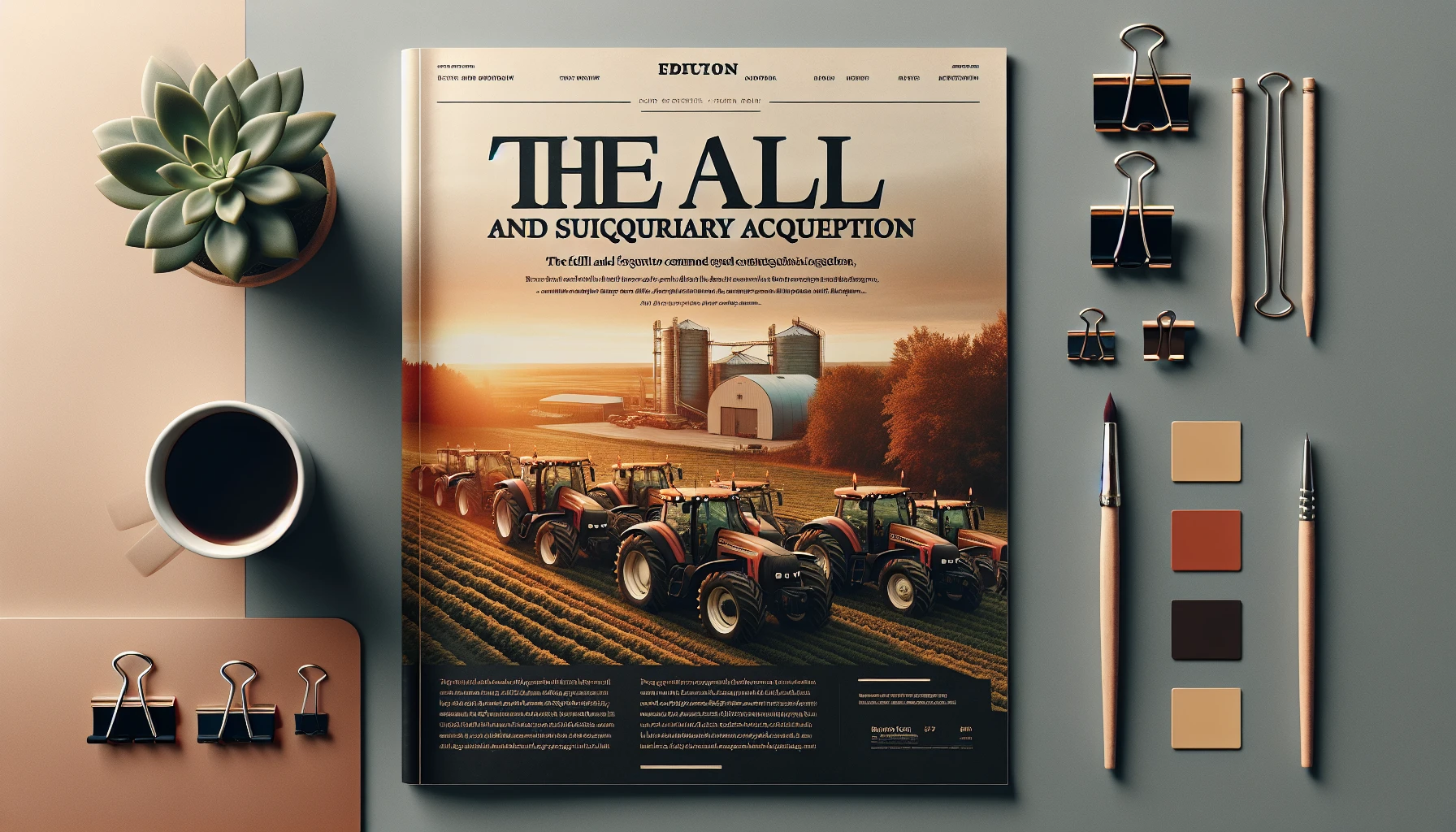
Monarch Tractor, founded in 2018, drew attention for its proposal of autonomous electric tractors for agriculture. Despite initial enthusiasm and funding of more than $200 million, the company faced significant challenges, including product performance problems and legal disputes with dealers. Monarch has recently ceased operations and sold its assets to Caterpillar, a giant in the construction equipment sector. This development raises questions about the challenges of technological innovation in agriculture and the implications for the future of autonomous vehicles in farming.
Monarch Tractor's challenges
Despite initial enthusiasm and funding of more than $200 million, Monarch Tractor faced significant challenges. The autonomous electric tractors, designed to improve farming efficiency, ran into performance problems, and dealers filed lawsuits over unfulfilled promises about the vehicles' autonomous capabilities. In addition, the company faced operational difficulties, including layoffs and the halt of production in Ohio after the plant was sold to Foxconn. These factors contributed to the decision to cease operations and sell the assets to Caterpillar.
Implications for the agricultural industry
Caterpillar's acquisition of Monarch Tractor highlights the challenges of adopting advanced technologies in agriculture. Despite significant investment and interest in farm automation, deploying autonomous vehicles requires solid integration with existing farming practices and proven reliability in the field. This case underlines the importance of rigorous due diligence and effective management of expectations when introducing technological innovations into traditional sectors.
Future outlook for autonomous vehicles in agriculture
Despite the difficulties Monarch Tractor faced, interest in autonomous vehicles in agriculture remains high. The potential for improving efficiency and sustainability is significant. However, it is essential for companies to address technical and operational challenges, ensuring that products are reliable and well integrated into everyday farm operations. Caterpillar's acquisition could represent an opportunity for greater integration of these technologies in the sector, leveraging the experience and resources of an established leader in construction equipment.
Conclusion
- Innovation and operational challenges: Monarch Tractor's experience highlights the difficulties of introducing advanced technologies into traditional sectors such as agriculture.
- Importance of due diligence: A thorough assessment of technological capabilities and market needs is essential before launching new products.
- Role of established leaders: Caterpillar's acquisition could facilitate the integration of autonomous technologies into agriculture, leveraging established resources and expertise.
- Future outlook: Despite the challenges, interest in farm automation continues, with opportunities for innovations that improve efficiency and sustainability.
- Lessons learned: Companies must balance enthusiasm for innovation with realistic management of expectations and operational challenges.


