
Canopii: Autonomous Robotic Greenhouses for Indoor Farming
Canopii is building autonomous robotic greenhouses that grow up to 18 tons of herbs and vegetables in the space of a basketball court.
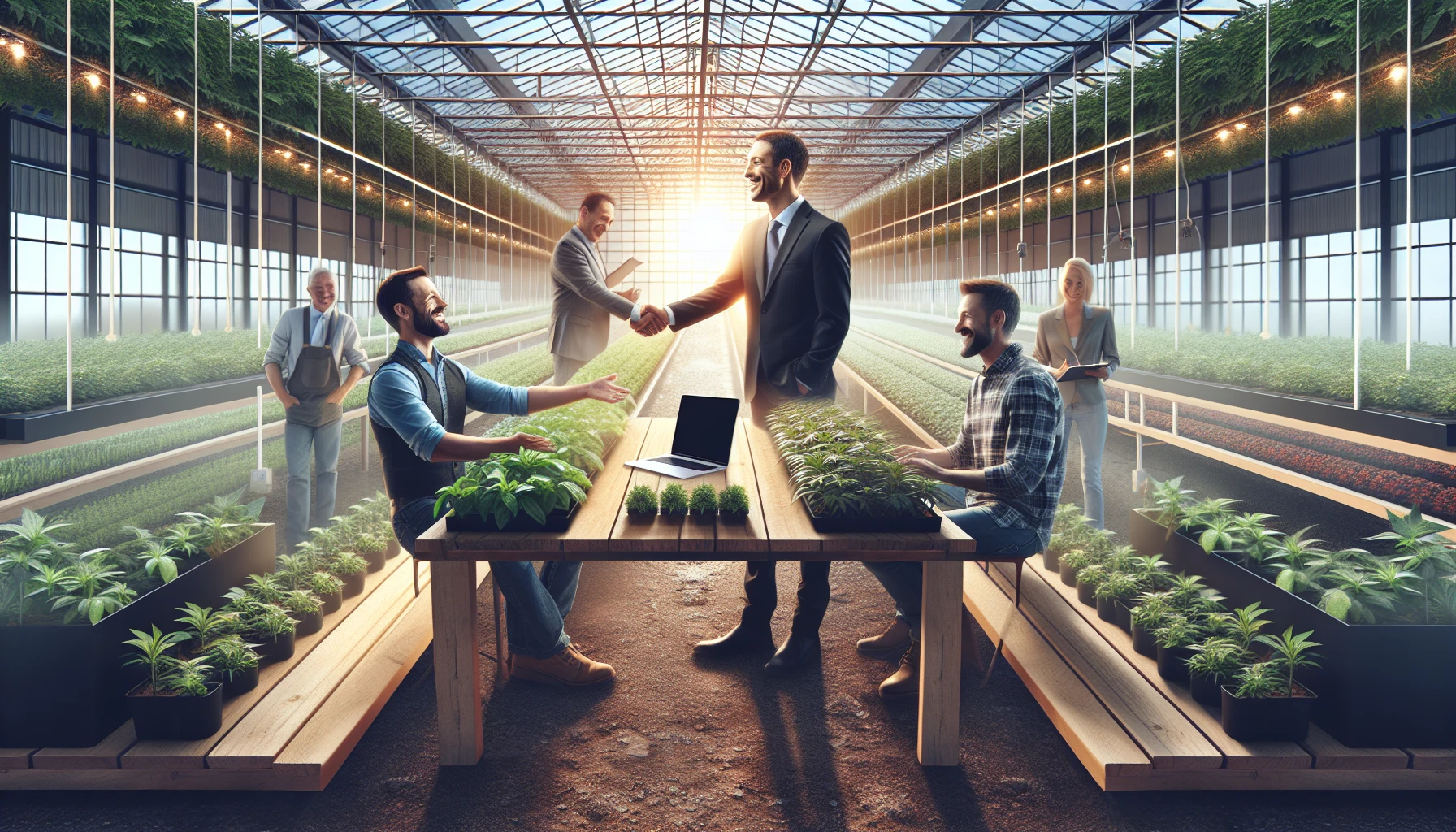
Canopii, a startup based in Portland, Oregon, is transforming indoor farming with autonomous robotic greenhouses that manage the entire growing cycle, from sowing to harvest, without human intervention. These greenhouses can produce up to 18 tons of specialty herbs and vegetables per year, using only one water source and occupying the space of a basketball court.
Innovation in Agriculture
Founded by David Ashton, Canopii has developed a system that fully automates cultivation, reducing operating costs and improving efficiency. The greenhouses are designed to grow herbs and vegetables such as basil, baby bok choy and gai lan, using a hydroponic system that optimizes resource use.
A Sustainable Growth Strategy
Unlike other companies in the sector, Canopii has adopted a gradual growth strategy, avoiding venture capital and focusing on non-dilutive funding, such as federal grants. This approach allowed the company to develop a working prototype with a small team and limited resources, avoiding the mistakes of other indoor farming ventures that ran into financial difficulties.
Future Outlook
With the prototype a success, Canopii plans to build its first commercial farm in downtown Portland, with the goal of expanding the model to other urban areas. The company aims to reduce dependence on long supply chains by offering fresh, local produce, and to improve the resilience of the regional food system.
Takeaway
- Technological innovation: Canopii's autonomous robotic greenhouses represent a significant advance in agricultural automation, improving efficiency and reducing operating costs.
- Sustainable growth strategy: Canopii's gradual growth approach and use of non-dilutive funding have allowed it to develop a working prototype with limited resources.
- Market implications: Canopii's model could shape the future of urban agriculture, promoting local production and reducing dependence on traditional supply chains.


