
Autonomous delivery and the last mile: the new industrial strategy
Autonomous delivery is entering an industrial phase: partnerships, capital and control of the stack become the key factors for the last mile.
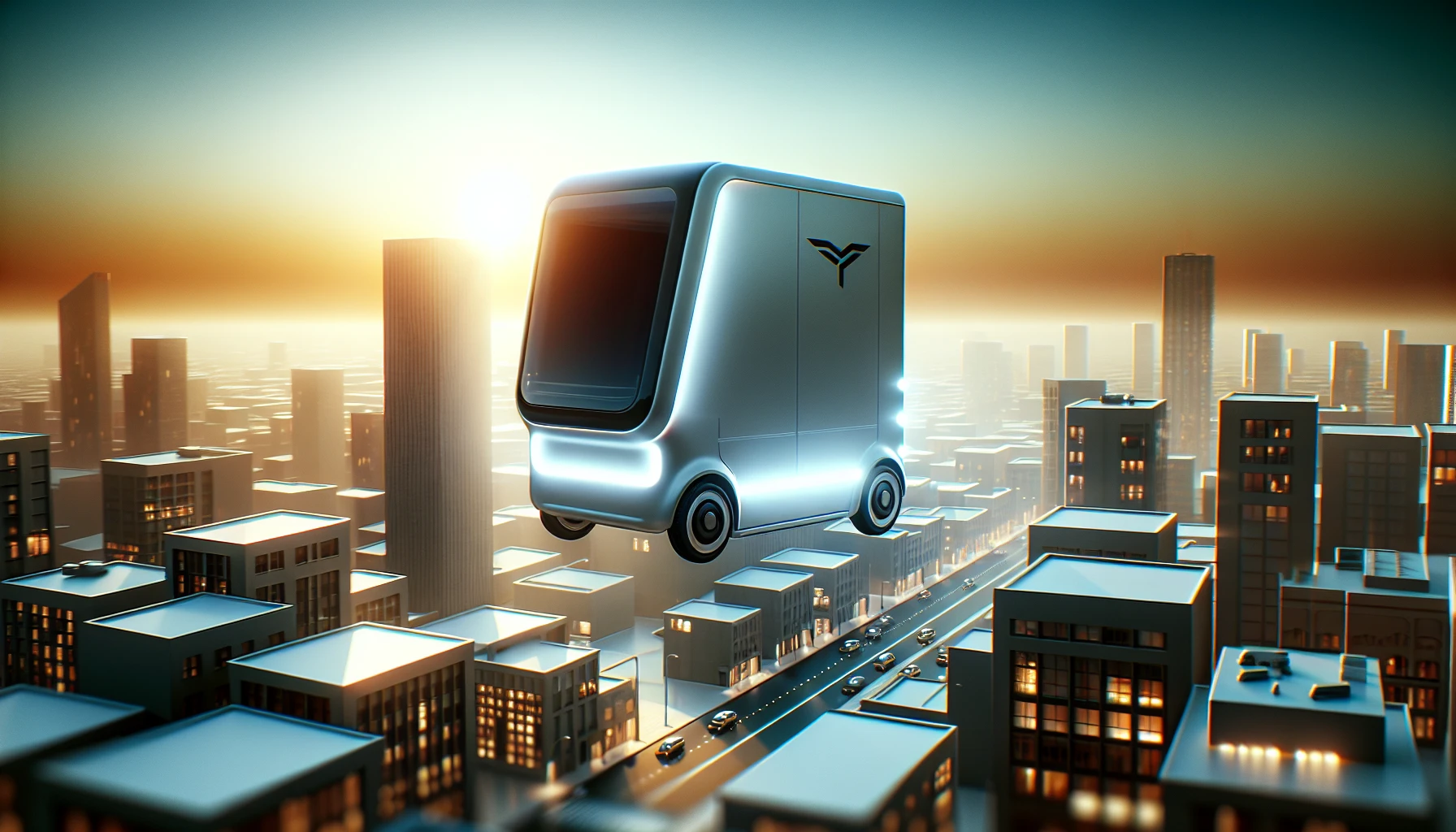
The autonomous delivery sector is entering a phase of industrialisation. A new agreement between a micromobility startup and a delivery platform shows how capital, logistics and autonomy are converging into a single operational stack.
For decision makers, the question is no longer whether these vehicles will reach the market, but with what economic model, under what regulatory constraints and with what degree of integration into the existing distribution network.
A partnership that goes beyond supply
The deal provides for the joint development of autonomous electric vehicles designed for last-mile transport. The delivery platform does not simply finance the initiative: it takes a stake in the startup, gains a seat on the governance board and strengthens its technological position in a strategic segment.
This type of collaboration signals an important transition. It is not only about buying a vehicle, but about co-designing a solution that combines hardware, autonomy, telemetry and fleet management. Value shifts from the single vehicle to the overall service system.
Why the last mile is the ideal testing ground
Urban deliveries have features that make the use of compact, autonomous vehicles more realistic: repetitive routes, low speeds, short trips and frequent demand. In this context, micromobility can become an effective platform for automating part of the logistics.
A small vehicle, able to move in cycle lanes or on low-speed roads, can reduce the cost per delivery and increase operational density. The real lever, however, is scalability: a well-orchestrated autonomous fleet can work with less dependence on driver availability, especially during demand peaks.
Autonomy: technology, control and responsibility
Developing these vehicles requires a complex integration of sensors, navigation software, perception systems and on-board computing. In parallel, a clear definition of responsibilities is needed between the vehicle manufacturer, the platform operator and the technology partners.
An open issue remains the most delicate one: who owns the autonomy stack and who controls it in operation. If the delivery platform already runs its own area dedicated to delivery robots, the collaboration could become a hybrid architecture, in which the vehicle is designed by an industrial partner but the mission-critical software stays under the control of the end customer.
Strategic implications for the market
This deal shows that the delivery automation market is moving from experimentation to building ecosystems. A prototype is no longer enough: capital, production capacity, access to sales channels and field validation are needed.
For operators in the sector, the message is clear: whoever controls the delivery infrastructure and the operational data will have a decisive competitive advantage. Platforms that can combine vehicles, autonomy and intelligent routing will be able to lower costs and improve service quality, especially in dense urban areas.
Takeaways for companies and investors
- Autonomous deliveries are evolving from pilot tests into commercial models.
- The value is concentrated in the integration of hardware, software and the logistics network.
- The last mile is the segment with the best ratio of complexity to return.
- Control of the autonomy stack can become the true strategic asset.
- Capital, production and operational data are the factors that will determine the winners.


