
Aurora Reaches a Milestone with Self-Driving Trucks: 1,000 Miles in 15 Hours
Aurora has reached a significant milestone in self-driving trucking, completing a 1,000-mile route in 15 hours, faster than human drivers are legally allowed to travel.
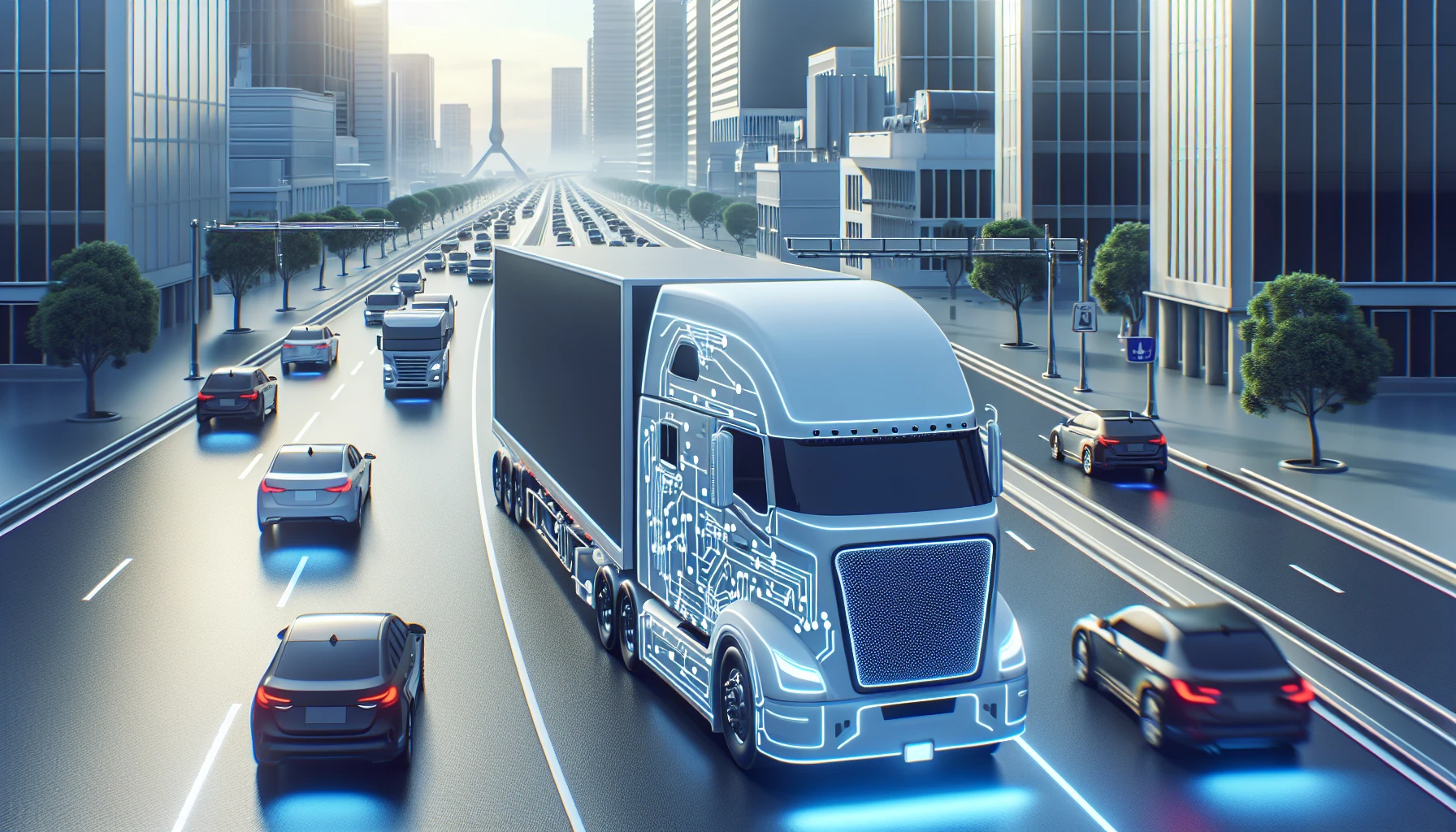
In February 2026, Aurora announced a significant advance in autonomous vehicles: its driverless trucks can now travel 1,000 miles between Fort Worth and Phoenix on their own in about 15 hours, less time than federal regulations allow human drivers. The result is a key step toward the efficiency and competitiveness of autonomous freight transport.
Implications for the transportation industry
Aurora's milestone has significant implications for the transportation industry. Self-driving trucks can operate without the restrictions placed on human drivers, such as mandatory breaks and driving-time limits, allowing shorter transit times and higher operational efficiency. This could translate into lower transport costs and greater competitiveness for companies that adopt the technology.
Reactions and future outlook
Chris Urmson, Aurora's CEO and co-founder, described the result as "the dawn of a superhuman future for freight transport," stressing the importance of this progress not only from a technological standpoint but also operationally and financially. Aurora plans to expand its autonomous truck network further, aiming to operate hundreds of trucks by the end of 2026 and covering new routes across the United States while increasing autonomous freight capacity.
Strategic considerations for businesses
For companies in logistics and transportation, adopting self-driving trucks like those developed by Aurora could offer a significant competitive advantage. The ability to reduce transit times and operating costs, along with greater reliability and safety, opens opportunities to optimize operations and improve customer service. It is essential, however, to consider the challenges of integrating this technology, including upfront investment, staff training and compliance with current regulations.
Conclusion
Aurora's progress in self-driving trucks marks a turning point for the transportation industry. With the ability to cover 1,000 miles in 15 hours, autonomous vehicles offer significant advantages in efficiency and competitiveness. Companies that adapt and adopt these technologies will be better placed to meet the sector's future challenges.
- Improved operational efficiency: Shorter transit times thanks to eliminating mandatory breaks for human drivers.
- Competitive advantage: Companies that adopt self-driving truck technology can gain an edge in the transportation market.
- Expansion of operations: Aurora plans to significantly grow its autonomous truck fleet by the end of 2026.
- Strategic considerations: Companies must carefully evaluate the investment required and the challenges of adopting this technology.
- Industry implications: Adopting self-driving trucks could radically transform the transportation industry, improving efficiency and competitiveness.


