
AI Solutions for Overloaded Emergency Centers - Relybytes
Integrating artificial intelligence solutions is transforming emergency centers, helping to handle non-urgent calls and easing dispatchers' workload.
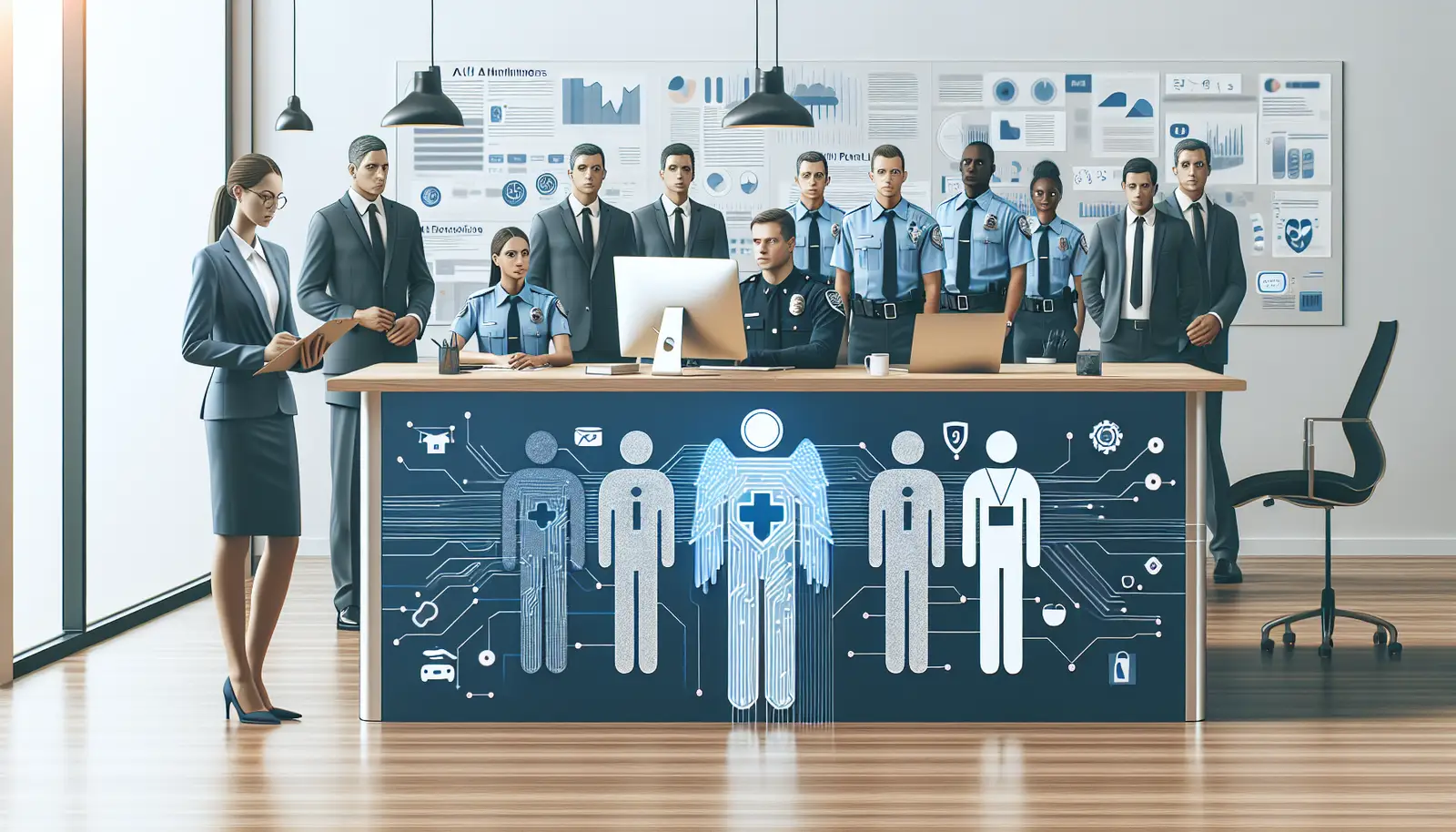
Technological innovation in 911 emergency centers
Emergency centers are facing a growing workload due to understaffing and increased stress among dispatchers. In response, many institutions are integrating artificial intelligence (AI) systems to improve the handling of non-urgent calls, freeing up resources for critical emergencies.
How AI works in emergency services
AI technologies are used for triage, information gathering and automatic routing of non-critical calls. One example is the use of intelligent voice assistants that recognize real emergency situations and immediately transfer them to a human dispatcher. For other calls, the AI collects details and generates reports or sends them directly to law enforcement for follow-up.
Use cases and benefits of AI in emergency centers
In several locations across the United States, these technologies are already operational, reducing response times and easing dispatchers' workload. One example is the use of cloud-based systems that answer and route non-emergency calls, helping to contain volume and optimize human resources.
Benefits and integration challenges
The main benefits include greater efficiency, reduced burnout among dispatchers and improved service quality. However, caution remains regarding the risks of bias and errors, as well as the legal consequences of malfunctions or wrong decisions by the AI. Regulation of these systems is still under development, and many areas need to upgrade their technological infrastructure for more effective integration.
Future considerations
For emergency centers, adopting AI is a fundamental step toward a more resilient and human-centered system. Dispatcher training and proper oversight of the AI are essential to maximize the benefits while maintaining high standards of safety and accuracy.
Conclusions
- AI technologies are revolutionizing the handling of non-urgent emergency calls.
- Reducing workload and improving service quality are the main goals.
- Regulation and infrastructure upgrades are needed for effective adoption.


